Does your heart race when you think about sitting in a dental chair? You are not alone, and you do not have to force yourself through an appointment without support. Fisher Dental offers sedation options in Murfreesboro, including laughing gas, to help eligible patients feel calmer while remaining awake and able to communicate.
Dental anxiety can range from mild nervousness to intense fear that causes someone to postpone care for years. Sedation dentistry in Murfreesboro can make treatment feel more manageable, especially when it is combined with clear explanations, a gentle pace, and frequent comfort checks. Understanding what laughing gas does, how it feels, and who may qualify can remove some of the uncertainty before your visit.
What Is Laughing Gas?
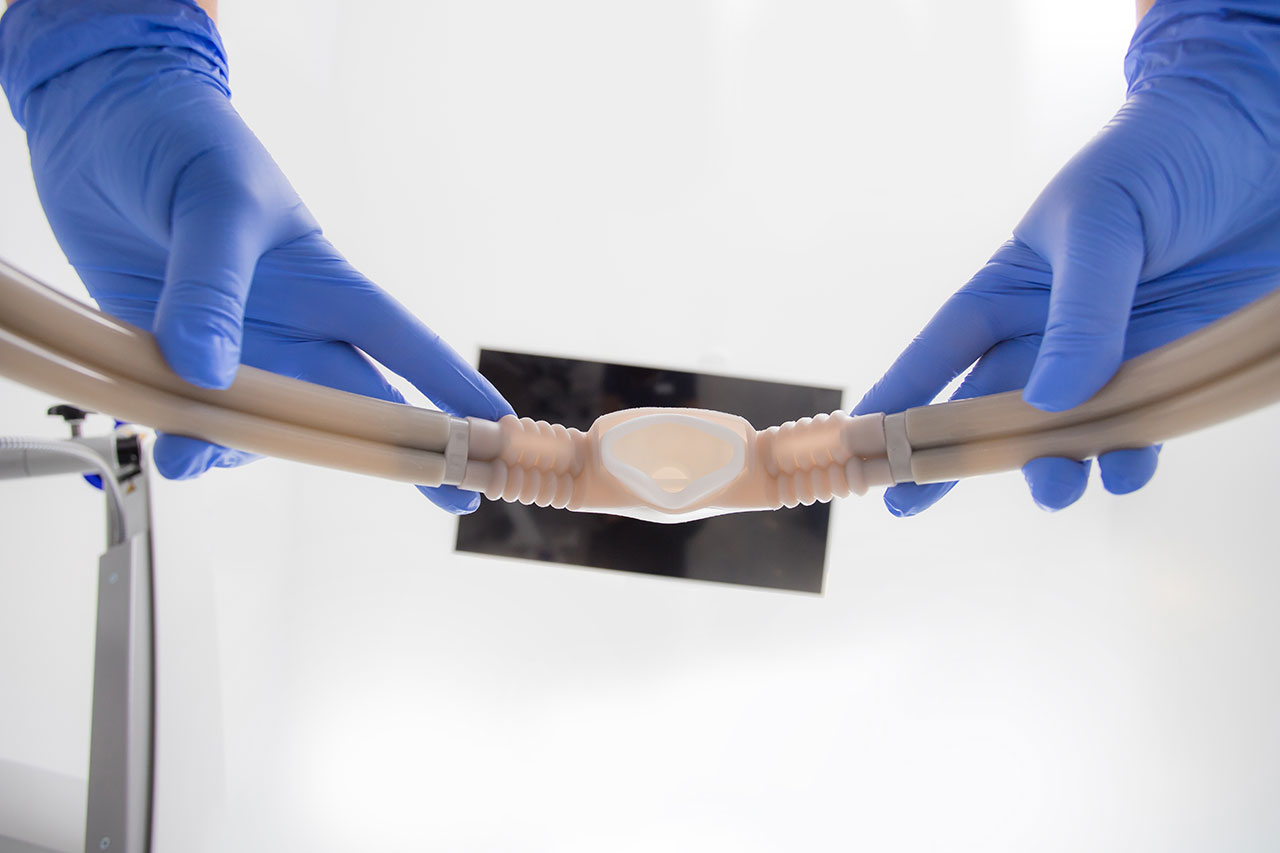
Laughing gas is the common name for nitrous oxide, a mild sedative that is inhaled through a small mask placed over the nose. It is mixed with oxygen and adjusted throughout the appointment. The goal is not to make you unconscious. Instead, it helps create a relaxed feeling while you stay aware of your surroundings and able to respond to the dental team.
The effects usually begin within a few minutes. Some patients describe a light, warm, floating, or pleasantly detached sensation. Others simply notice that their muscles relax and anxious thoughts feel less intense. Because the level can be adjusted during treatment, the dental team can respond to your comfort in real time.
After the procedure, the nitrous oxide is stopped and oxygen is provided for a short period. The calming effects generally fade quickly. This rapid onset and recovery are among the reasons laughing gas is often considered for patients who want mild sedation without a lengthy recovery period.
How Dental Anxiety Can Affect Oral Health
Fear can create a difficult cycle. A patient delays routine visits, a small problem becomes larger, and the eventual appointment may require more treatment than it would have earlier. That experience can then reinforce the original fear. Sedation dentistry in Murfreesboro may help interrupt this pattern by making it easier to return for preventive and restorative care.
Dental anxiety can be related to many different experiences. Some people remember an uncomfortable appointment from childhood. Others dislike the sounds, smells, or feeling of losing control. A strong gag reflex, sensitive teeth, embarrassment about oral health, or concern about injections may also contribute.
There is no need to feel ashamed about these reactions. Anxiety is a real response, not a character flaw. At Fisher Dental, sharing your concerns gives the team useful information. They can explain each stage, agree on a pause signal, avoid surprises, and discuss whether laughing gas may be appropriate.
Who May Benefit From Sedation Dentistry?
Laughing gas may be considered for children and adults who are healthy enough to receive it and who need mild support during dental care. A complete medical history is required because suitability depends on the individual. The dentist will review medications, health conditions, pregnancy status, breathing concerns, and previous experiences with sedation.
- Patients with mild to moderate dental anxiety
- People who have postponed treatment because of fear
- Patients with a sensitive gag reflex
- People who find it difficult to sit still for longer appointments
- Patients who become tense during injections or drilling
- Children who understand basic directions but need help relaxing
- Patients who want a mild option with relatively quick recovery
Laughing gas is not the right choice for every person or every procedure. Severe nasal congestion can make it difficult to inhale through the mask. Certain medical conditions may also require another approach or consultation with a physician. Therefore, always provide complete and accurate health information before treatment.
What Happens During an Appointment With Laughing Gas?
Before Treatment Begins
The team reviews your health history, explains the plan, and answers questions. You may receive instructions about eating before the appointment, so follow the directions provided by the office. Wearing comfortable clothing and arriving with enough time to settle in may also help reduce stress.
Before the mask is placed, tell the team what usually makes dental visits difficult. For example, you may want each instrument explained before it is used, or you may prefer fewer details. Some patients feel better when the chair is adjusted gradually. Others appreciate a hand signal that pauses treatment. These preferences can be built into the visit.
While You Receive Laughing Gas
A small mask rests over the nose, and you breathe normally. The dental team begins with oxygen and gradually introduces nitrous oxide. You remain awake and can answer questions. Meanwhile, your breathing, appearance, and response are monitored throughout the procedure.
Laughing gas reduces anxiety, but it is not a replacement for local anesthetic when a procedure would otherwise cause pain. If numbing is needed, it may be used along with sedation. Many nervous patients find that receiving local anesthetic feels easier once the calming effect has begun.
After the Procedure
When treatment is complete, the nitrous oxide is turned off and you breathe oxygen for several minutes. The dental team checks that you feel alert and comfortable before you leave. Because recovery is usually fast, many patients can return to normal activities. However, follow the specific instructions given at your appointment.
Benefits of Sedation Dentistry With Laughing Gas
- A calmer dental experience: Laughing gas may reduce nervousness, tension, and the urge to avoid treatment.
- You remain awake: Patients can communicate, follow instructions, and tell the team when they need a pause.
- Fast onset: The relaxing effect usually begins within minutes, so there is no long waiting period before treatment.
- Adjustable support: The level can be changed during the appointment according to the patient’s response.
- Quick recovery: The effects generally wear off soon after the gas is stopped and oxygen is given.
- Help with a sensitive gag reflex: Relaxation may make certain procedures and impressions easier to tolerate.
- Support for longer visits: A calmer patient may find it easier to remain comfortable during more detailed treatment.
- A positive path back to care: A more manageable appointment can help rebuild trust and make future visits feel less intimidating.
How Laughing Gas Compares With Other Comfort Measures
Sedation is only one part of anxiety-friendly dentistry. Some patients feel comfortable with communication, topical numbing, local anesthetic, breaks, and a slower pace. Others benefit from laughing gas in addition to those measures. The best plan is based on the intensity of anxiety and the type of treatment being performed.
Fisher Dental focuses on relieving dental anxiety through a welcoming approach as well as sedation options. This matters because medication alone does not address every concern. Feeling heard, knowing what to expect, and having control over the pace can be just as important.
Patients sometimes assume that stronger sedation is always better. However, the mildest effective option is often preferable. Laughing gas offers relaxation while preserving communication and a relatively quick return to normal awareness. Your dentist can explain whether it matches your needs.
Ways to Make Your Visit Feel Easier
Preparation can reduce uncertainty before you arrive. Start by telling the scheduling team that you experience dental anxiety. This allows the office to plan extra time and note your concerns. It also prevents you from having to introduce the subject for the first time while already seated in the treatment room.
- Schedule at a time of day when you usually feel calm and rested.
- Avoid excessive caffeine before the appointment because it can increase jitteriness.
- Bring a written list of questions so you do not have to remember everything.
- Agree on a hand signal that means pause.
- Ask the team to explain treatment in the amount of detail you prefer.
- Use slow, steady breathing through the nose when the mask is in place.
- Plan a quiet activity afterward, even when rapid recovery is expected.
It can also help to separate the first visit from treatment. A consultation may focus on meeting the team, discussing your concerns, and reviewing options. That approach allows you to build familiarity before a procedure begins. However, urgent dental problems may need faster attention, so let the office know if you have pain or swelling.
Can Sedation Dentistry Help After a Long Gap in Care?
Yes, many people seek sedation dentistry in Murfreesboro after avoiding the dentist for an extended period. The first priority is not judgment. It is understanding your current oral health and helping you move forward at a reasonable pace. The dentist may divide treatment into smaller visits or prioritize the most urgent problem first.
During the examination, the team can identify cavities, gum disease, damaged restorations, or missing teeth. Then, they can explain which issues need immediate attention and which can be planned over time. A clear sequence often makes treatment feel less overwhelming.
Laughing gas may be used during appropriate procedures, but the emotional support starts before sedation. Honest communication helps the team understand which sensations or situations trigger anxiety. Over time, consistent and respectful care may make future appointments easier, even when sedation is not needed for every visit.
Common Questions About Sedation Dentistry in Murfreesboro
Will I be asleep with laughing gas?
No. Laughing gas is a form of minimal sedation. You remain conscious, breathe on your own, and can communicate with the dental team. You may feel relaxed or slightly detached, but you are not placed under general anesthesia.
Will I remember the procedure?
Most patients remember the appointment because they remain awake. However, anxiety may feel less intense, and the visit may seem to pass more comfortably. The exact experience varies from person to person.
Can I drive after receiving laughing gas?
Many patients are able to drive after the effects have fully worn off and the dental team has confirmed that they are alert. Still, follow the instructions given for your specific visit, especially when other medications or procedures are involved.
Is laughing gas safe for children?
Laughing gas has a long history of use in dentistry and may be considered for children who can breathe through the nose and follow directions. The dentist reviews the child’s health history and determines whether it is appropriate.
What if laughing gas is not enough for my anxiety?
Tell the dentist before treatment begins. The team can discuss whether the planned procedure should be adjusted, divided into shorter visits, or approached with another strategy. Your comfort concerns should be part of treatment planning, not an afterthought.
Feel More Comfortable About Dental Care
Anxiety should not prevent you from receiving the care needed to protect your smile. Laughing gas, gentle communication, and a patient-paced approach can make appointments feel more predictable and manageable. The first conversation can be as simple as explaining what worries you most.
To learn whether sedation dentistry in Murfreesboro may support a more comfortable visit, call Fisher Dental at (615) 962-7262 to Schedule a Consultation. Fisher Dental is located at 3411 Memorial Blvd A2, Murfreesboro, TN 37129.