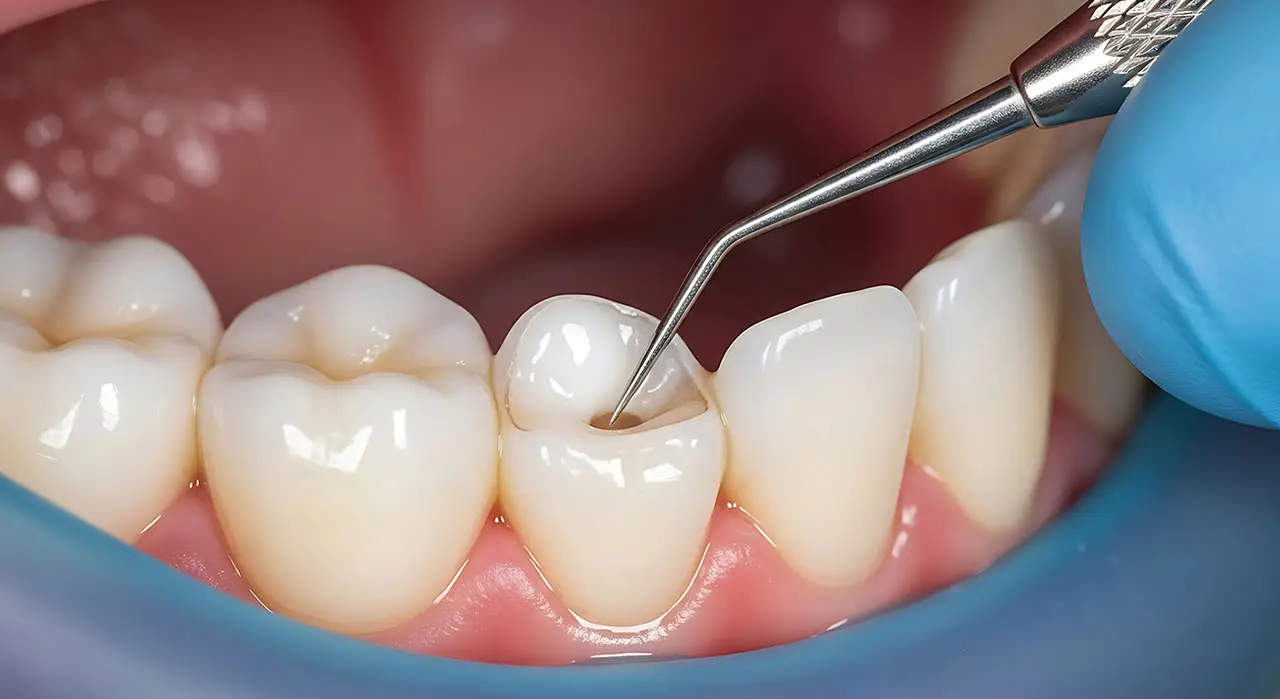

Do your gums bleed when you brush, look swollen, or feel tender around certain teeth? These changes are common, but they should not be treated as normal. Early gum disease treatment in Murfreesboro can help control harmful bacteria, reduce inflammation, and protect the tissues that keep your teeth stable.
Gum disease often develops gradually. In its earliest stage, it may cause only mild redness or occasional bleeding. Because discomfort is not always present, some people wait until the condition has progressed. Fisher Dental helps patients recognize the warning signs, understand the cause, and choose care based on the health of their gums.
What Is Gum Disease?
Gum disease is an infection and inflammatory condition affecting the tissues around the teeth. It commonly begins when plaque, a sticky film of bacteria, remains along the gumline. If plaque is not removed, it can harden into tartar. Tartar cannot be brushed away at home and creates a rough surface where more plaque can collect.
The earliest form is gingivitis. At this stage, the gums may become red, swollen, or prone to bleeding, but the deeper bone and connective tissues are not yet permanently damaged. With professional care and improved daily hygiene, gingivitis can often be brought under control.
When inflammation moves beneath the gumline, the condition can become periodontitis. Pockets may form between the teeth and gums, allowing bacteria to collect deeper around the roots. Over time, the supporting bone can be affected. Gum disease treatment in Murfreesboro is designed to reduce this bacterial buildup and help patients maintain a cleaner, healthier environment around their teeth.
Early Signs of Gum Disease
1. Bleeding During Brushing or Flossing
Healthy gums should not bleed regularly during gentle brushing or flossing. Occasional irritation can happen, especially after restarting flossing, but repeated bleeding often signals inflammation. Instead of avoiding the area, continue cleaning gently and schedule a dental evaluation.
2. Red, Puffy, or Tender Gums
Gums normally have a firm texture and fit closely around the teeth. When inflammation develops, they may look darker, feel puffy, or become sensitive to pressure. These changes may appear around one tooth or throughout the mouth.
3. Persistent Bad Breath
Bad breath can have many causes, including dry mouth and certain foods. However, odor that returns soon after brushing may be linked to bacteria around or beneath the gumline. A professional cleaning and gum evaluation can identify whether oral infection is contributing.
4. Gum Recession
Receding gums make teeth look longer and may expose sensitive root surfaces. Recession can occur because of gum disease, aggressive brushing, tooth position, or other factors. Since the cause affects the treatment plan, it is important to have the area examined rather than simply switching toothpaste.
5. Sensitivity Near the Gumline
Exposed roots and inflamed tissues may react to cold drinks, brushing, or touch. Sensitivity does not automatically mean gum disease, but it can accompany recession and deeper gum pockets. Your dentist can determine whether decay, enamel wear, or gum changes are responsible.
6. Changes in the Way Teeth Fit Together
Advanced periodontal changes can affect the support around teeth. You may notice movement, spacing, or a difference in how your bite comes together. These signs require prompt evaluation because they can indicate loss of supporting tissue.
7. Pus or a Bad Taste Around the Gums
Drainage, a recurring unpleasant taste, or a pimple-like bump near a tooth can signal infection. Contact the dental office promptly. Treatment may be needed to address an abscess, a periodontal pocket, or another source.
Why Gum Disease Develops
Plaque buildup is the main driver of gum inflammation, but several factors influence how quickly the condition develops and how the body responds. Inconsistent brushing and flossing allow bacteria to remain around the gumline. Meanwhile, tobacco use, dry mouth, crowded teeth, certain medications, hormonal changes, and some health conditions may increase risk or make home care more difficult.
Genetics can also play a role. Some people develop significant gum problems even when they are attentive to daily care. Therefore, gum disease is not a reason for embarrassment. It is a health condition that deserves practical, respectful treatment. A thorough examination helps the dentist focus on the current condition rather than making assumptions about how it developed.
How Gum Health Is Evaluated
A gum evaluation includes more than a quick visual check. The dental team may measure the spaces between the teeth and gums, look for bleeding, assess recession, check tooth mobility, and review dental images for changes in supporting bone. These findings help determine whether the condition is gingivitis, periodontitis, or another type of irritation.
Your medical history also matters. Tell the team about medications, health conditions, tobacco use, pregnancy, and any changes in your mouth. In addition, explain whether symptoms are new, recurring, or concentrated in one area. This information helps create a more complete picture.
Fisher Dental also provides general dentistry services that support ongoing prevention. Regular exams and cleanings are especially important because early gum disease may not cause pain. Professional monitoring can catch changes before they become obvious at home.
How Gum Disease Treatment Works
The recommended treatment depends on how far inflammation has progressed. Mild gingivitis may improve with a professional cleaning, better plaque removal at home, and consistent follow-up. More advanced gum disease may require a deep cleaning below the gumline.
Scaling and Root Planing
Scaling and root planing is a nonsurgical deep cleaning. Scaling removes plaque and tartar from above and below the gumline. Root planing smooths the root surfaces, which makes it more difficult for bacteria to cling and helps the gums rest more closely against the teeth as inflammation improves.
The mouth may be treated in sections, and local numbing can be used for comfort. Afterward, mild tenderness or sensitivity may occur. Patients receive specific home-care instructions and a follow-up plan. Because periodontal pockets can be difficult to clean with a standard toothbrush, professional treatment plays an important role.
Laser-Assisted Gum Treatment
In appropriate cases, laser-assisted care may be used with deep cleaning to target infected tissue and bacteria. The goal is to improve access, support a cleaner treatment area, and promote comfortable healing. Not every patient needs laser treatment, so the dentist will explain whether it adds value in your situation.
Antibacterial Support
Topical medication, antibacterial irrigation, or other supportive measures may be recommended based on the depth of the pockets and the pattern of infection. These options are used alongside mechanical cleaning, not as a replacement for removing plaque and tartar from the root surfaces.
Periodontal Maintenance
After active treatment, many patients need periodontal maintenance visits more often than standard preventive cleanings. These appointments focus on disrupting bacteria above and below the gumline, checking pocket depths, and watching for areas that are becoming inflamed again. The schedule is personalized according to risk and response to treatment.
Benefits of Gum Disease Treatment
- Reduced inflammation: Removing plaque and tartar from below the gumline helps irritated tissues begin to calm and heal.
- Fresher breath: Controlling bacteria in deep pockets may improve odor that does not respond to routine brushing alone.
- Protection for tooth support: Managing periodontitis helps slow damage to the bone and tissues that hold teeth in place.
- Less bleeding and tenderness: As gum health improves, brushing and flossing may become more comfortable.
- Better access for home care: Professional treatment and personalized instruction make it easier to clean problem areas effectively.
- Earlier attention to related problems: A periodontal evaluation may reveal loose restorations, decay, bite stress, or dry mouth that needs attention.
- A personalized maintenance plan: Follow-up intervals and home-care tools can be selected according to the condition of your gums.
What You Can Do at Home
Professional gum disease treatment in Murfreesboro works best when paired with consistent home care. Brush twice a day using a soft-bristled toothbrush and fluoride toothpaste. Angle the bristles toward the gumline and use gentle pressure. Scrubbing harder does not remove tartar and may irritate the tissues.
Clean between the teeth every day. Traditional floss works well for many people, but interdental brushes, floss holders, or water flossers may be easier in certain areas. The dental team can demonstrate how to use these tools around crowded teeth, bridges, implants, or areas of recession.
- Follow the cleaning method recommended for your specific gum pockets.
- Replace your toothbrush or brush head regularly.
- Clean your tongue to reduce odor-causing buildup.
- Drink water regularly, especially if you experience dry mouth.
- Avoid tobacco products because they can increase periodontal risk and mask bleeding.
- Keep every recommended periodontal maintenance visit.
Improvement takes consistency. Bleeding may not disappear after one day of flossing, and deeper infection cannot be removed with home care alone. However, daily plaque control helps protect the results of treatment and reduces the amount of buildup between professional visits.
Common Questions About Gum Disease Treatment
Can gum disease be cured?
Gingivitis can often be reversed when plaque and tartar are removed and daily cleaning improves. Periodontitis causes deeper changes that cannot simply be erased, but it can often be managed. Treatment focuses on controlling infection, protecting remaining support, and reducing the risk of progression.
Does gum disease treatment hurt?
Comfort measures can be used during deep cleaning, including local numbing. Some tenderness or temperature sensitivity may occur afterward. The team will explain what to expect and how to care for the gums while they heal.
Will my gums grow back after recession?
Receded gum tissue does not usually return to its original position on its own. However, treatment can address active inflammation and help prevent additional damage. Depending on the cause and severity, further options may be discussed.
How often will I need cleanings after treatment?
The interval depends on pocket depths, inflammation, home care, health history, and how quickly tartar forms. Many periodontal patients benefit from more frequent maintenance than the standard six-month schedule.
Protect the Foundation of Your Smile
Bleeding, swelling, recession, or persistent bad breath are signals worth discussing with a dentist. Addressing gum inflammation early is usually simpler than waiting for deeper tissue damage. With professional treatment and a realistic home-care routine, you can take meaningful steps toward healthier gums.
To discuss gum disease treatment in Murfreesboro, Book an Appointment with Fisher Dental or call (615) 962-7262. The practice is located at 3411 Memorial Blvd A2, Murfreesboro, TN 37129.