Could one small change create the smile balance you have been looking for, or would several teeth need attention to produce a natural result? That question often comes up during consultations for dental veneers in Murfreesboro. Veneers are thin, custom restorations placed over the front surfaces of selected teeth. They can refine color, shape, proportion, spacing, and symmetry while allowing the finished smile to remain personal and believable.
However, there is no standard number of veneers that works for everyone. Some patients may benefit from treating one damaged tooth, while others may consider several teeth that show when they smile. At Fisher Dental, planning begins with a thoughtful evaluation of the teeth, gums, bite, smile line, and personal goals. In addition, a broader cosmetic dentistry consultation can help determine whether veneers, whitening, bonding, Invisalign treatment, or a combination of services is the most conservative choice.
What Dental Veneers Can Change
Dental veneers in Murfreesboro are often considered when otherwise healthy front teeth have cosmetic concerns that do not require full crowns. For example, veneers may cover discoloration that does not respond predictably to whitening. They may also reshape a tooth with an uneven edge, improve the appearance of a small chip, close a modest space, or create more consistent proportions across the visible smile.
Although veneers can make several changes at once, they are not meant to hide active oral health problems. Cavities, gum inflammation, unstable teeth, or significant bite issues should be addressed first. Therefore, the consultation is not simply about selecting a shade or counting teeth. It is also an opportunity to confirm that the mouth provides a healthy foundation for cosmetic treatment.
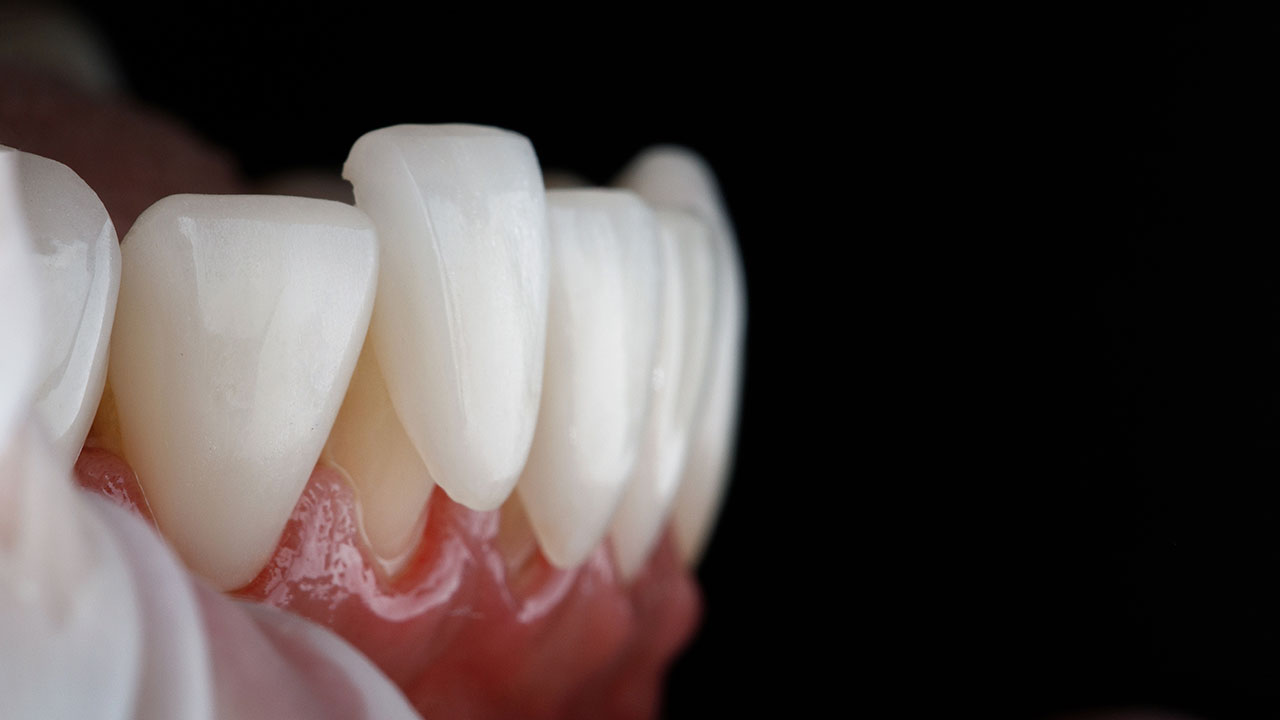
Modern porcelain veneers are designed individually. As a result, the goal is not to create a generic row of identical teeth. Subtle differences in contour, translucency, surface texture, and edge shape help the finished smile look natural. Your dentist can also consider facial features, lip movement, and the way your teeth show during speech, not only how they appear in a still photograph.
How Many Veneers Do Most People Need?
The right number of dental veneers in Murfreesboro depends largely on which teeth are visible when you smile. A person with a narrow smile may show fewer front teeth, while someone with a broad smile may display teeth farther toward the sides. In addition, the upper teeth usually receive the most attention because they are often more visible during conversation and smiling.
One Veneer
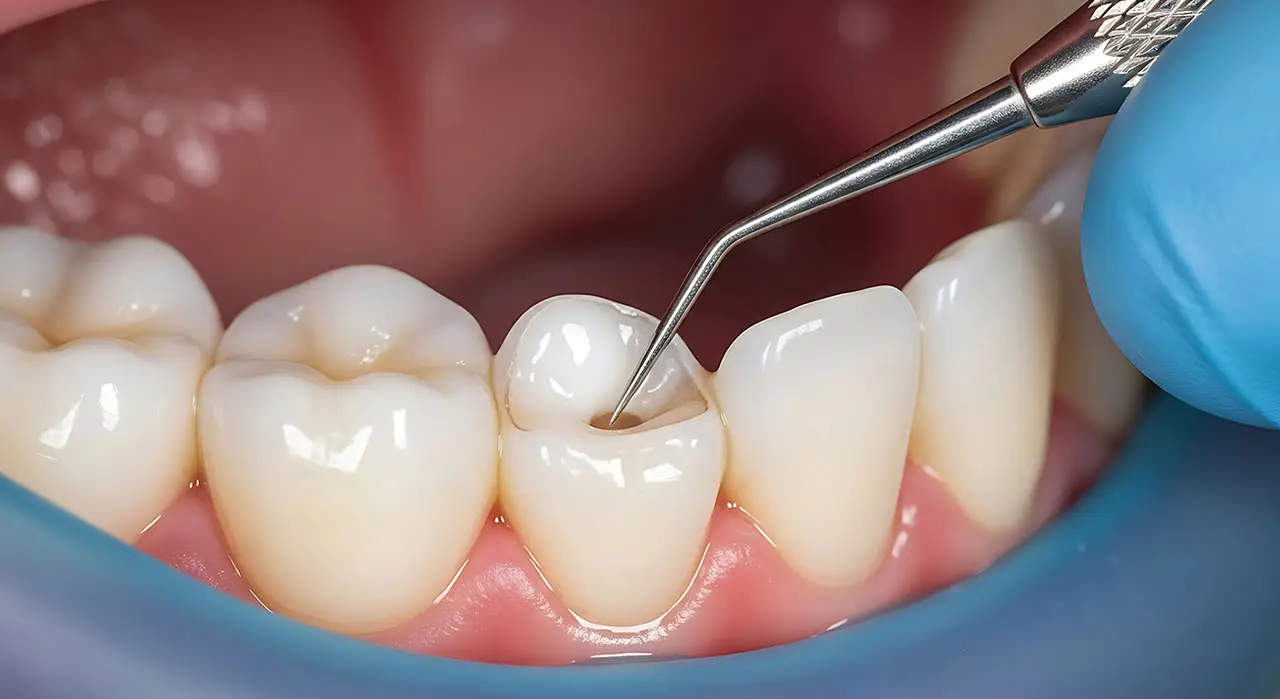
A single veneer may be appropriate when one tooth stands out because of a chip, unusual shape, resistant stain, or size difference. Matching one veneer to untouched neighboring teeth requires careful shade and contour planning. Nevertheless, when the surrounding teeth already have a color and shape the patient likes, treating only one tooth may be the most conservative solution.
Two to Four Veneers
Two to four veneers may help when the central front teeth need improved symmetry or when a few neighboring teeth share similar concerns. For instance, two front teeth may have uneven edges, or four visible teeth may need more consistent proportions. This smaller treatment range can create a focused change while preserving the natural appearance of the remaining smile.
Six to Eight Veneers
Six to eight veneers are sometimes considered when a patient wants a more comprehensive change across the teeth that dominate the smile. This range may include the central incisors, side incisors, and canine teeth. Because these teeth appear together, treating them as a coordinated group can make color and shape transitions look smoother.
Ten or More Veneers
A broader smile may show ten or more upper teeth. In that situation, stopping treatment too close to the center of the mouth could create a noticeable transition between veneered and natural teeth. However, more veneers do not automatically mean a better result. The decision should be based on visibility, tooth condition, bite forces, and the changes the patient actually wants.
What Determines the Recommended Number?
Several practical details influence how many dental veneers in Murfreesboro may be recommended. During planning, your dentist considers the full smile rather than viewing each tooth in isolation.
- Your smile line: The number of teeth visible during a relaxed smile, broad smile, and normal conversation helps define the treatment area.
- Existing tooth color: When natural teeth are significantly darker than the desired veneer shade, a wider treatment area or whitening may create a smoother transition.
- Tooth proportions: Width, length, edge position, and symmetry all affect whether one tooth or a group of teeth should be refined together.
- Alignment and spacing: Minor irregularities may be improved with veneers, while larger positioning concerns may be better addressed with orthodontic treatment first.
- Bite and grinding habits: Heavy bite forces or nighttime grinding can influence material selection, preparation, and whether a protective mouthguard is advisable.
- Condition of each tooth: Teeth with large fillings, fractures, or structural weakness may need a different restorative approach.
- Your priorities: Some patients want a subtle correction, while others prefer a more comprehensive smile redesign.
- Your treatment budget: A phased or combination approach may help balance cosmetic goals with financial planning.
For example, a patient may initially ask for eight veneers because that number appeared in an online makeover. After an examination, however, the dentist may find that professional whitening followed by two veneers would meet the same goal more conservatively. Meanwhile, another patient may discover that treating only the two front teeth would make the untreated side teeth appear noticeably different. Personalized planning prevents an arbitrary number from driving the decision.
What Happens During Veneer Treatment?
The veneer process usually begins with a detailed conversation. You can explain what you would like to change and what you already appreciate about your smile. Your dentist then examines the teeth and gums, evaluates the bite, and may use digital scans or photographs to plan the result. This stage is especially important because clear communication helps the restoration feel like an enhancement of your own smile rather than an unrelated design.
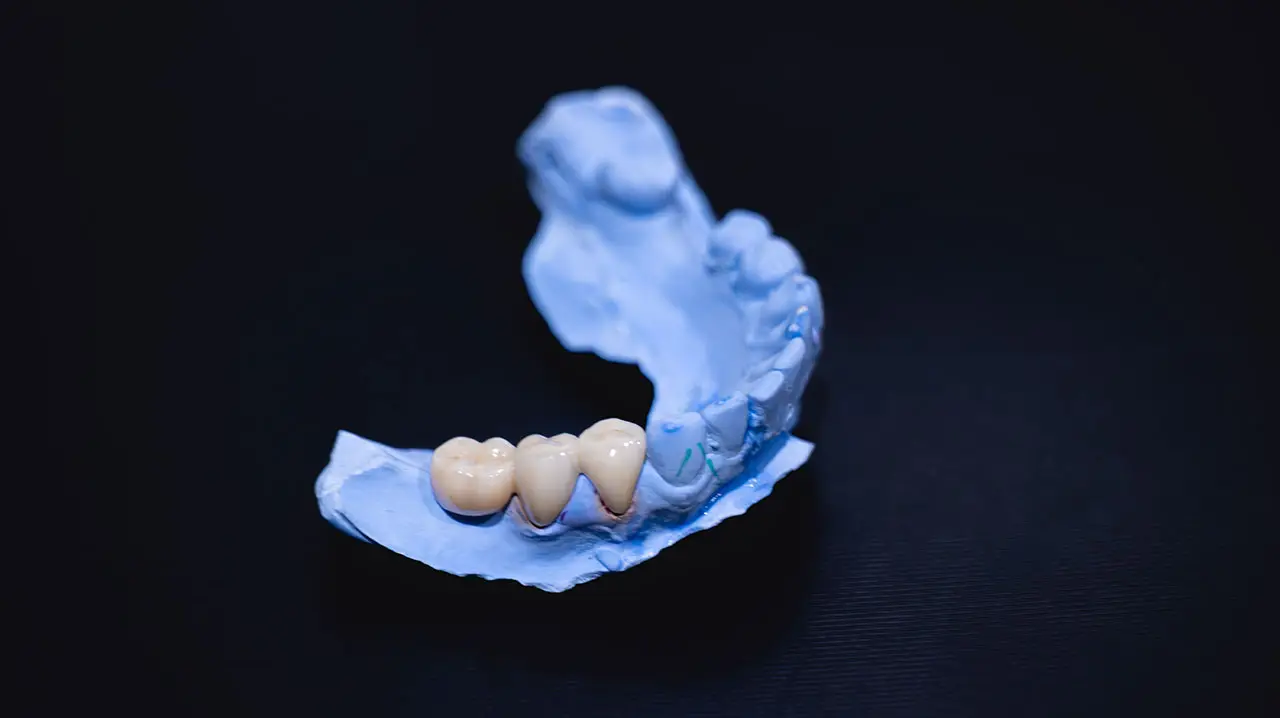
Next, the selected teeth are prepared as conservatively as the case allows. A small amount of enamel may be removed so the veneers can fit naturally without appearing bulky. Impressions or digital scans are then used to create custom restorations. Temporary veneers may be placed while the final versions are being made, depending on the treatment plan.
At the placement visit, each veneer is evaluated for fit, shape, color, and relationship to neighboring teeth. The teeth are cleaned and conditioned, then the veneers are bonded in position. Afterward, the dentist checks the bite and makes refinements as needed. Although the visible change can be significant, well-planned dental veneers in Murfreesboro should feel comfortable and blend naturally with facial movement.
Benefits of Dental Veneers
- Several cosmetic concerns can be addressed together: Veneers may improve shape, shade, spacing, and minor edge damage within one coordinated treatment plan.
- Results are highly customized: Each restoration can be designed around the patient’s tooth proportions, facial features, and preferred level of brightness.
- Natural teeth can be preserved: Veneers generally require less tooth reduction than full crowns when the teeth are otherwise healthy.
- Porcelain resists many common stains: With good care, the surface can maintain its brightness better than natural enamel exposed to staining foods and drinks.
- The smile can look more balanced: Carefully planned contours may create smoother visual transitions across the front teeth.
- Changes can remain subtle: Dental veneers do not have to produce an overly bright or uniform appearance. They can be designed for a refined, natural effect.
- Care is straightforward: Daily brushing, flossing, and professional checkups remain the foundation of maintenance.
Veneers, Bonding, Whitening, or Invisalign?
Dental veneers in Murfreesboro are versatile, but another treatment may be a better fit for a specific concern. Tooth bonding, for instance, may repair a small chip or reshape a limited area with little preparation. It can often be completed in one visit, although bonding material may stain or wear sooner than porcelain.
Professional whitening may be preferable when tooth shape and alignment are already pleasing but the overall color feels dull. Because restorations do not whiten like natural enamel, whitening is often completed before veneers are designed. This sequence allows the veneer shade to match the brighter surrounding teeth.
Meanwhile, Invisalign treatment may be more appropriate when tooth position or bite is the primary issue. Moving teeth first can reduce how much reshaping is needed later. In some cases, orthodontic treatment followed by whitening or limited bonding creates the desired result without placing veneers on many teeth.
A consultation helps compare these options honestly. At Fisher Dental, treatment planning can include digital information and a patient-focused discussion, so you understand the possibilities and tradeoffs before deciding.
How to Care for Dental Veneers
Dental veneers in Murfreesboro should be brushed twice daily with a soft-bristled toothbrush and a nonabrasive toothpaste. Flossing remains essential because the natural tooth structure and gumline around each veneer still need protection. Regular cleanings and exams also allow the dental team to monitor the veneer margins, gums, and bite.
In addition, avoid using veneered teeth as tools. Opening packages, biting fingernails, chewing ice, or repeatedly biting very hard objects can place unnecessary stress on the restorations. Patients who clench or grind may benefit from a custom nightguard. Although porcelain is strong, it is not indestructible.
It is also helpful to keep expectations realistic. Veneers may last many years with good care, but they will eventually require evaluation or replacement. Therefore, the decision should be made with long-term maintenance in mind. Consistent home care and preventive visits can help protect both the veneers and the teeth beneath them.
Common Questions About Dental Veneers
Can I get a veneer on only one front tooth?
Yes, a single veneer may be used when one tooth has a chip, stain, shape difference, or another isolated concern. However, matching one restoration to surrounding natural teeth requires careful planning. Your dentist will evaluate color, translucency, edge shape, and symmetry before recommending a single veneer.
Do all visible teeth need veneers?
No. Only teeth that support the desired result should be treated. The number depends on your smile line, tooth color, proportions, alignment, and goals. Sometimes whitening or bonding can help untreated teeth coordinate with a smaller number of veneers.
Are dental veneers permanent?
Veneers are considered a long-term treatment because some enamel is commonly removed during preparation. They may eventually need repair or replacement. For that reason, your dentist should discuss conservative alternatives and ongoing care before treatment begins.
Will veneers look too white or too perfect?
They do not have to. Shade, shape, texture, and translucency can be selected to create a natural appearance. Many patients prefer a balanced improvement that still includes the small variations found in real teeth.
Explore a Personalized Veneer Plan
The most useful question is not how many veneers other people receive. Instead, it is how many teeth, if any, should be treated to support your own healthy, balanced smile. Fisher Dental can evaluate dental veneers in Murfreesboro and explain conservative options based on your goals. To discuss your smile at 3411 Memorial Blvd A2, Call Us Today at (615) 962-7262 or Contact Us to schedule a consultation.