
What if keeping up with your family’s dental care did not require juggling several different dental offices? Children, teenagers, parents, and older adults have different oral health needs, but many of those needs can be managed in one familiar practice. Family dentistry is designed to provide ongoing care through multiple stages of life.
At Fisher Dental, family dentistry in Murfreesboro includes personalized care for patients ranging from children as young as age 3 to adults and seniors. This allows families to establish consistent dental routines while receiving care tailored to each person’s age, oral health, comfort level, and treatment needs.
However, family dentistry is more than scheduling several people at the same office. The real value comes from adapting preventive, restorative, cosmetic, and other dental care as each family member’s needs change over time.
What Is Family Dentistry?
Family dentistry focuses on providing dental care for patients across different age groups. Instead of limiting care to only children or only adults, a family dental practice can support several generations.
This may include preventive services such as examinations and professional cleanings, restorative treatment when teeth become damaged, cosmetic options for appropriate patients, orthodontic care such as Invisalign, and help when unexpected dental problems occur.
Because dental needs evolve with age, treatment should never be identical for every member of a household. A young child’s appointment focuses on different concerns from those of a teenager, middle-aged adult, or senior.
The benefit of a family-centered approach is having those changing needs managed within a consistent dental home.
When Should Children Begin Seeing a Family Dentist?
Children benefit from becoming comfortable with dental care early in life. Fisher Dental provides age-appropriate treatment for children beginning at age 3.
Early visits can help the dental team monitor developing teeth and provide parents with practical guidance about brushing, flossing, diet, and changing oral hygiene needs.
Just as importantly, positive early experiences can make the dental office feel familiar. A child who becomes accustomed to routine preventive visits may be more comfortable asking questions and participating in oral care as they grow.
Every child develops differently, so appointments should be adapted to their readiness and individual dental needs.
How Does Dental Care Change as Children Grow?
A child’s mouth changes substantially over the years. Primary teeth emerge, the jaw develops, primary teeth are eventually lost, and permanent teeth take their places.
Regular dental care gives the dentist an opportunity to monitor those transitions. In addition, professional cleanings and exams can identify cavities or gum concerns that need attention.
Education also changes as children become more independent. A young child may need parents to perform most brushing, while an older child can gradually take more responsibility with adult supervision.
By the teenage years, additional concerns can include orthodontic alignment, sports protection, diet, oral hygiene consistency, and wisdom tooth development.
Benefits of Family Dentistry
Choosing one dental home for multiple generations can provide several practical advantages:
- Convenient care: Multiple family members can receive dental care through the same practice rather than establishing relationships with several offices.
- Continuity over time: The dental team can become familiar with each patient’s oral health history and changing needs.
- Age-appropriate treatment: Children, teens, adults, and seniors receive recommendations based on their stage of life rather than a one-size-fits-all approach.
- Consistent preventive habits: Families can reinforce regular cleanings, exams, brushing, and between-teeth cleaning as shared priorities.
- Broad treatment options: Preventive, restorative, cosmetic, orthodontic, and emergency needs can often be addressed within one dental practice.
- A familiar environment: Children can grow up seeing the same dental team that also cares for parents and other family members.
Convenience matters, but consistency may be even more valuable. Regular dental care is easier to maintain when it becomes part of the family’s normal health routine.
What Dental Care Do Teenagers Need?
Teenagers experience a unique combination of dental changes and lifestyle factors. Permanent teeth are largely established, but oral hygiene habits may still be developing.
Busy schedules, frequent snacks, sweetened drinks, sports, and inconsistent brushing can all influence oral health. Preventive visits give teenagers an opportunity to receive guidance that reflects their actual routines.
Alignment is another common consideration. If teeth are crowded, spaced, or otherwise misaligned, orthodontic evaluation may be appropriate. Fisher Dental offers Invisalign treatment for suitable patients.
Teen athletes may also benefit from custom sports mouthguards. Protecting permanent teeth during physical activity can help reduce the risk of avoidable dental injuries.
What Does Family Dentistry Offer Adults?
Adults often balance preventive dental care with restorative and cosmetic needs. Routine cleanings and exams remain important, even when teeth feel comfortable.
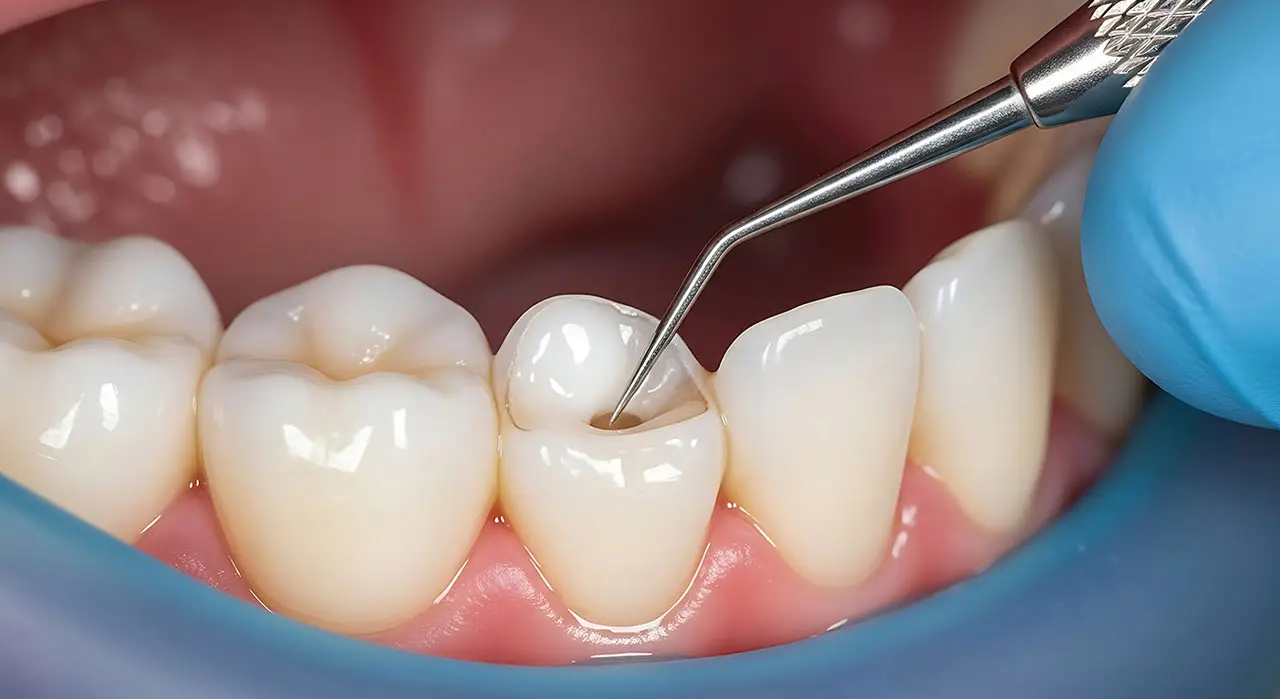
Over time, adults may develop cavities, worn restorations, cracked teeth, gum problems, or missing teeth. Restorative treatments can address damage and help maintain function.
Some adults are also interested in changing aspects of their smile. Depending on individual goals, cosmetic dentistry may include tooth bonding, professional whitening, veneers, or Invisalign aligners.
The important point is that cosmetic care should be built on a healthy foundation. Active decay or gum problems may need attention before elective cosmetic treatment begins.
How Do Dental Needs Change for Older Adults?
Aging does not automatically mean losing teeth. With appropriate home care and professional dentistry, many people maintain natural teeth for a lifetime.
However, dental needs can change. Existing crowns, fillings, bridges, implants, or dentures may require monitoring. Gum health remains important, and some people experience dry mouth associated with medications or other factors.
Changes in dexterity can also make brushing and flossing more challenging. A dental team can suggest techniques or tools that make daily cleaning easier.
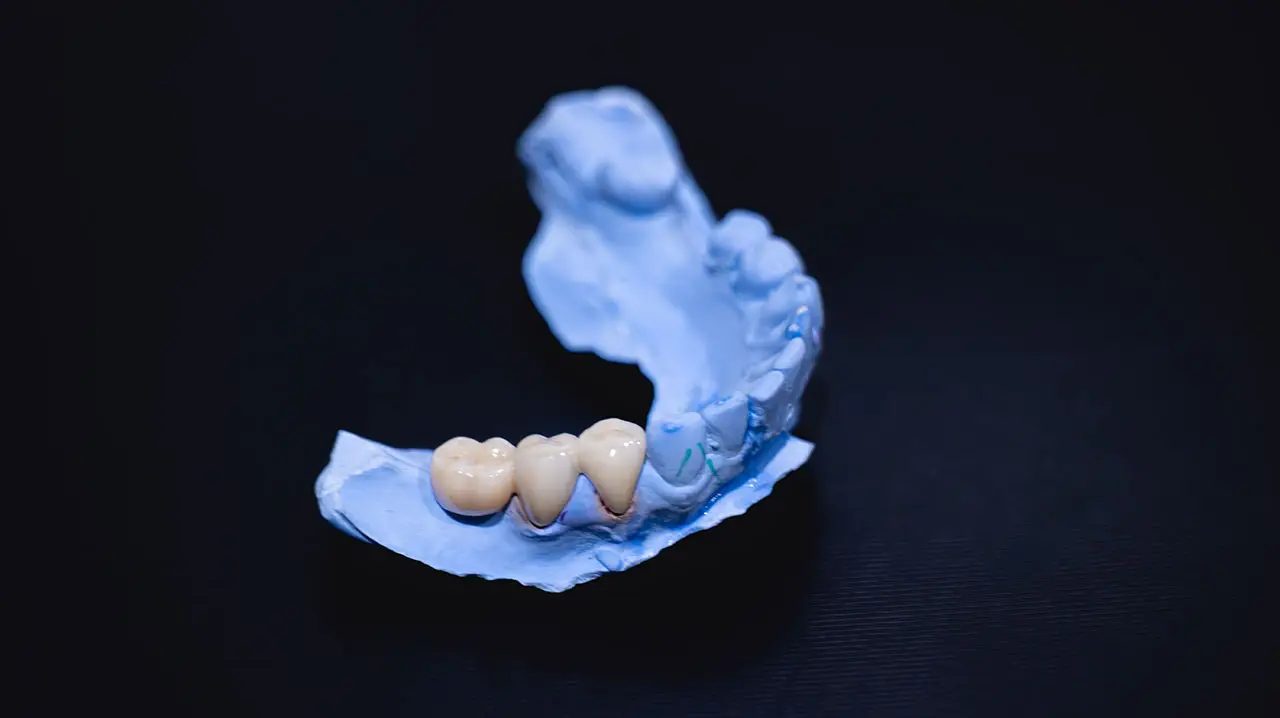
If teeth are missing, restorative options may help improve chewing and function. These can include bridges, dentures, or implant-supported restorations depending on the patient’s health and treatment goals.
Why Is Preventive Dentistry Important for Every Generation?
Preventive dentistry is one of the common threads connecting family dental care at every age.
Professional cleanings remove plaque and tartar from areas that can be difficult to maintain at home. Dental examinations allow the dentist to monitor teeth, gums, restorations, bite relationships, and other oral structures.
For children, prevention helps establish healthy habits. For adults, it provides ongoing monitoring for changes such as decay, gum concerns, and wear. For older adults, preventive visits can also help maintain existing dental work and address changing oral health needs.
The exact appointment schedule should be individualized. While many patients follow a routine schedule, some people require more frequent care based on gum health, cavity risk, or other factors.
Can Families Have Different Dental Needs?
Absolutely. Sharing genetics, a household, or even similar eating habits does not mean everyone will have identical oral health.
One family member may rarely develop cavities while another needs additional preventive attention. One person may have healthy gums while another requires periodontal maintenance.
Likewise, a teenager may be interested in Invisalign, while a parent needs a crown and a grandparent wants to discuss replacing a missing tooth.
Family dentistry works best when care is convenient for the household but still individualized for each patient.
How Can Parents Encourage Better Dental Habits?
Children learn a great deal by watching the adults around them. When brushing, flossing, and dental visits are treated as ordinary parts of taking care of the body, children can develop a similar perspective.
Parents can help by keeping routines consistent, supervising brushing when appropriate, and speaking about dental appointments in calm, straightforward language.
Avoid using dental treatment as a threat or describing appointments in frightening terms. Instead, focus on the purpose of the visit, keeping teeth clean, checking that everything is developing well, and learning how to care for the smile.
As children mature, gradually give them more responsibility while continuing to monitor their habits.
Can a Family Dentist Help During a Dental Emergency?
Unexpected dental problems can happen at any age. A child may damage a tooth during play, a teenager may experience a sports injury, or an adult may suddenly develop significant tooth pain.
Having an established dental home means you already know where to call when something unexpected occurs.
Fisher Dental provides emergency dental care and prioritizes urgent needs. The appropriate treatment depends on the cause of the problem, so calling the practice promptly is important when you are unsure whether a situation needs immediate attention.
Why Does Having a Consistent Dental Home Matter?
Dental care is easier to personalize when the practice understands your history. Previous X-rays, restorations, gum measurements, treatment plans, and other records create useful context over time.
A familiar dental team can also recognize changes from one visit to another. Rather than evaluating your smile as if every appointment were the first, the dentist can compare current findings with previous information.
For families, this continuity can simplify communication and help everyone understand the importance of maintaining routine care.
Common Questions About Family Dentistry
Can children and adults see the same dentist?
Yes. A family dental practice can care for multiple age groups. Fisher Dental provides care for children as young as 3 as well as teens, adults, and seniors.
Does family dentistry include cosmetic dentistry?
It can. At Fisher Dental, patients can access preventive and restorative services as well as cosmetic options such as whitening, bonding, veneers, and Invisalign treatment when appropriate.
How often should families visit the dentist?
Many patients schedule routine preventive appointments approximately every six months, but the recommended frequency can vary according to individual oral health and risk factors.
Can a family dentist treat missing or damaged teeth?
Yes. Restorative care may include fillings, crowns, bridges, dentures, and implant restorations depending on the patient’s needs.
Why choose one dental office for the family?
Using one dental home can make scheduling and continuity more convenient while allowing each family member to receive individualized, age-appropriate care.
Build Healthy Dental Habits as a Family
Dental needs change throughout life, but the importance of consistent care remains. Family dentistry brings preventive, restorative, cosmetic, and other services together so children, teens, adults, and seniors can receive personalized care in a familiar setting. That continuity can make it easier for healthy dental habits to become part of everyday family life.
Looking for family dentistry in Murfreesboro? Call Fisher Dental at (615) 640-4344 to book an appointment for yourself or a family member and establish a dental home for every stage of life.