
Do you wake up with tired jaw muscles, or has your dentist mentioned that your teeth show signs of unusual wear? You may be grinding or clenching your teeth during sleep without realizing it. Because nighttime grinding happens while you are unconscious, the first clues often appear as changes in the teeth, restorations, or jaw rather than something you remember doing.
For patients who grind or clench, custom nightguards in Murfreesboro can provide a protective barrier between the upper and lower teeth. Fisher Dental offers custom oral appliances, including Vivera nightguards, for patients who need protection from nighttime grinding and clenching.
A nightguard does not mean every jaw ache or worn tooth is caused by grinding. However, if your teeth are regularly exposed to excessive forces while you sleep, protecting them may help reduce additional wear and damage.
What Is Teeth Grinding?
Teeth grinding is commonly called bruxism. It can involve grinding the teeth against one another or clenching the jaw with substantial force.
Some people grind while awake, particularly during periods of concentration or stress. Others experience sleep bruxism and have no awareness of the habit until a partner hears grinding sounds or a dentist notices signs of wear.
Occasional contact between teeth is normal. The concern develops when repeated or excessive forces begin affecting enamel, restorations, or other parts of the chewing system.
How Can You Tell If You Grind Your Teeth at Night?
Because you are asleep when nighttime grinding occurs, identifying it can be difficult. Instead, you may notice indirect signs.
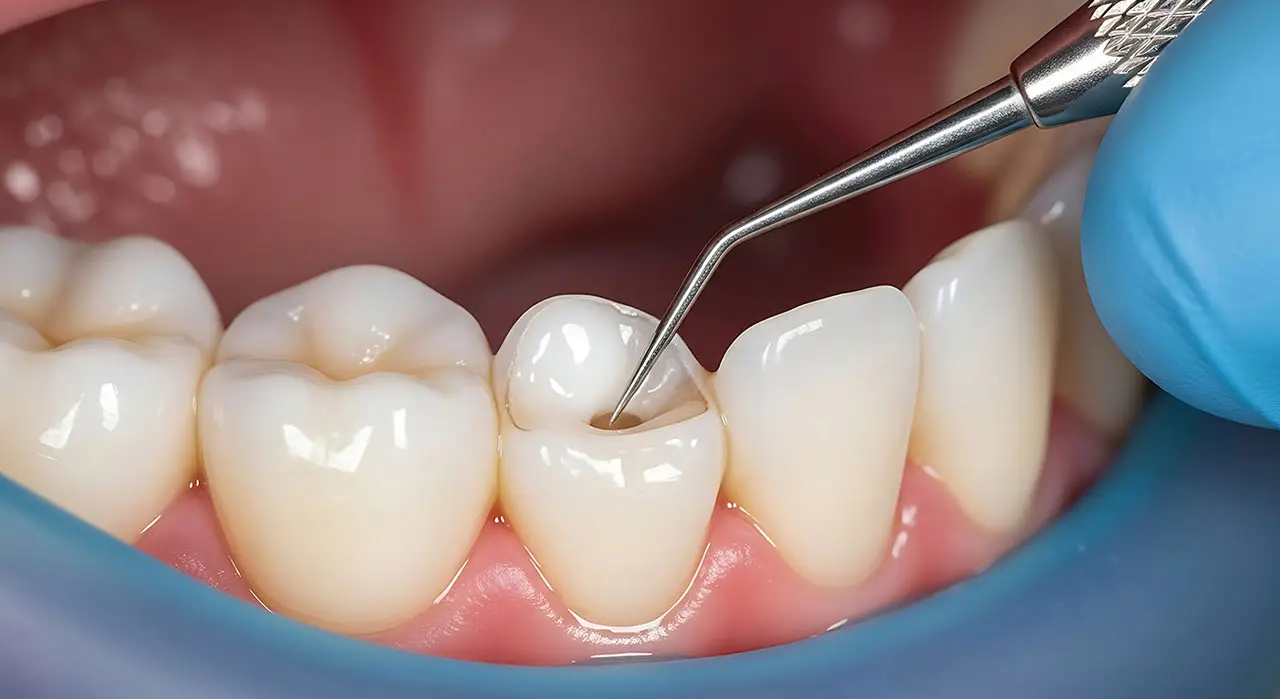
Teeth may develop flattened or worn biting surfaces. Small chips can appear along edges, and restorations may experience repeated stress. Some patients wake with jaw fatigue or notice that facial muscles feel tight in the morning.
Tooth sensitivity can sometimes accompany enamel wear. However, sensitivity has many possible causes, so it should not be assumed to mean grinding.
Likewise, headaches and jaw discomfort can have multiple explanations. A dental evaluation is useful because your dentist can examine wear patterns, your bite, existing restorations, and other signs before recommending treatment.
Why Can Teeth Grinding Damage Enamel?
Teeth are built to handle normal chewing, but grinding can expose them to forces and patterns of contact that differ from ordinary eating.
During chewing, food helps separate and cushion tooth surfaces. Grinding can involve direct tooth-to-tooth contact, often repeated over time.
As enamel wears, the shape of the teeth can gradually change. In more advanced cases, teeth may become shorter, edges may chip, or underlying layers can become more exposed.
Existing fillings, crowns, veneers, and bonding may also be affected by excessive bite forces. Protecting restorative dental work can therefore be another reason a dentist recommends a nightguard.
Benefits of Custom Nightguards
A custom nightguard can offer several advantages for patients who need protection from nighttime grinding or clenching:
- Protect natural enamel: A nightguard creates a barrier between opposing teeth and helps limit direct tooth-to-tooth wear.
- Protect dental restorations: Crowns, fillings, veneers, and bonding can be exposed to significant force from grinding.
- Custom fit: Professionally made appliances are designed around the patient’s individual teeth and bite.
- Improved stability: A properly fitted guard is designed to stay securely positioned during use.
- Comfort-focused design: Custom appliances avoid the generic fit of many over-the-counter products.
- Long-term monitoring: Your dentist can evaluate the appliance during routine checkups and determine whether it still fits and functions appropriately.
A nightguard is primarily protective. It should not be presented as a cure for every cause of grinding or every type of jaw discomfort. Your dentist can explain what the appliance is intended to accomplish in your particular situation.
What Is the Difference Between a Nightguard and a Sports Mouthguard?
Although both are worn over teeth, nightguards and athletic mouthguards serve different purposes.
A sports mouthguard is designed to help protect the mouth from impact during athletic activity. It may cushion teeth, gums, and other oral structures during falls or collisions.
A nightguard is designed for a different type of force. It is worn during sleep to protect teeth from grinding and clenching.
Because the intended use differs, you should not assume that one appliance can automatically substitute for the other. Fisher Dental can recommend the appropriate custom mouthguard based on whether you need sports protection or nighttime protection.
Why Choose a Custom Nightguard Instead of a Store-Bought Guard?
Over-the-counter guards are readily available, and some use a boil-and-bite process to create a more personalized shape. However, they are still based on a generic appliance.
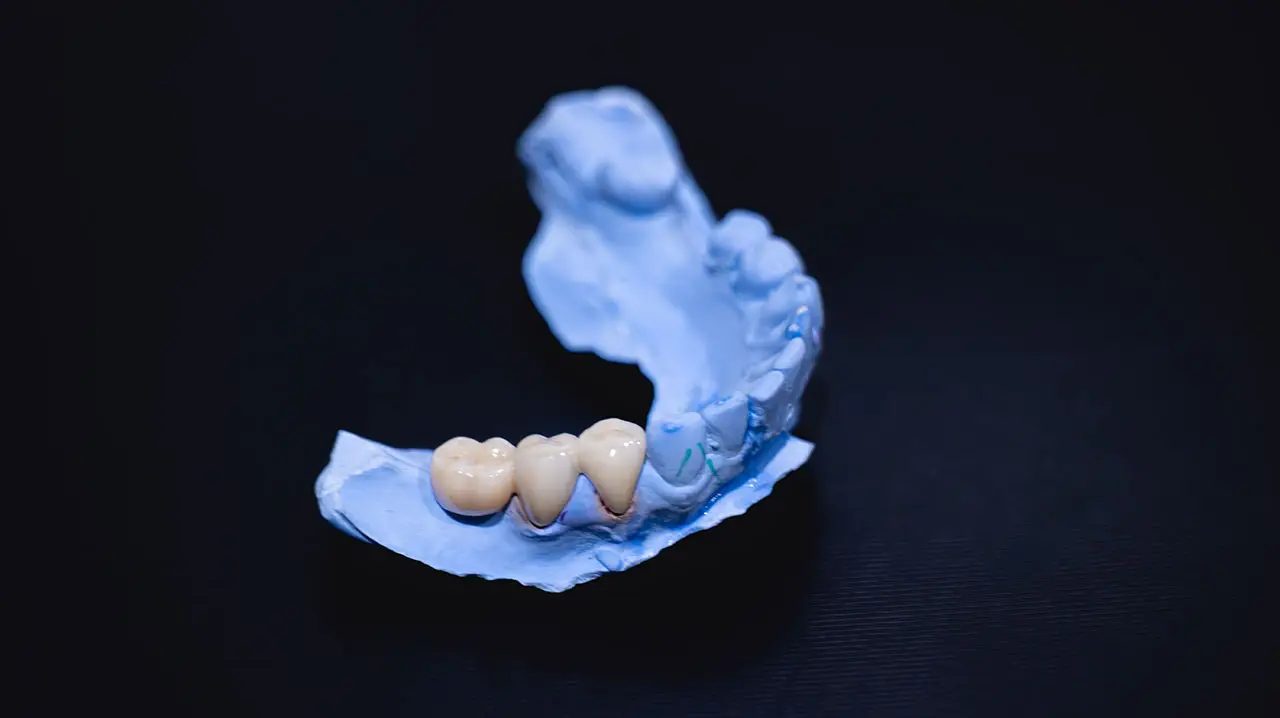
A custom nightguard is made using information from your own teeth. This allows the appliance to be designed for a more precise fit.
Fit matters because a guard that feels excessively bulky, moves around, or interferes with comfort may be difficult to wear consistently.
In addition, your dentist can evaluate your bite and existing dental work before the appliance is made. That professional oversight helps ensure the nightguard is being used for an appropriate reason.
What Are Vivera Nightguards?
Fisher Dental offers Vivera nightguards from Invisalign for patients who grind or clench their teeth at night.
These appliances are custom made rather than selected from a standard store size. The goal is to create a secure, comfortable barrier that protects the teeth during sleep.
Your dentist first evaluates whether a nightguard is appropriate. If it is, digital information about your teeth can be used to create the customized appliance.
Once the guard is ready, you will receive instructions about wear, cleaning, storage, and when to bring it back for evaluation.
Can Grinding Damage Crowns, Veneers, or Bonding?
Natural enamel is not the only material affected by heavy bite forces. Restorations also experience pressure whenever the teeth come together.
A person who grinds may place repeated stress on crowns, fillings, veneers, or composite bonding. Although modern dental materials are designed for oral function, they are not immune to excessive forces.
If you have invested in restorative or cosmetic dentistry and also show signs of grinding, your dentist may discuss whether nighttime protection makes sense.
This is particularly relevant when restorations involve front tooth edges or other areas exposed to repeated grinding contact.
Can a Nightguard Stop Teeth Grinding?
A nightguard is generally used to protect teeth from the effects of grinding rather than guarantee that the grinding behavior itself stops.
This distinction is important. You might continue to clench or grind while wearing the appliance, but the guard creates a protective surface between opposing teeth.
If your grinding is associated with other symptoms or possible contributing factors, additional evaluation may be appropriate. Your dentist can discuss the findings observed in your mouth and recommend whether another healthcare professional should also be involved.
How Is a Custom Nightguard Made?
The process begins with an examination. Your dentist evaluates your teeth, restorations, bite, and signs of wear to determine whether a protective appliance is appropriate.
Next, accurate records of your teeth are collected. Fisher Dental uses modern digital technology in its dental care, allowing detailed information about tooth shape and position to be captured.
The custom appliance is then created for your mouth. Once it is ready, fit and comfort can be evaluated before you begin regular use.
Because teeth and dental restorations can change over time, bring your nightguard to dental checkups when requested. Your dental team can inspect both the appliance and your teeth.
How Should You Clean a Nightguard?
Consistent cleaning helps keep your nightguard fresh and in good condition. Fisher Dental recommends cleaning custom mouthguards with gentle soap and water.
Rinse the appliance after use and store it in its protective case when it is not in your mouth. Keeping it loose on a bathroom counter, bedside table, or in a bag can expose it to contamination or accidental damage.
Avoid using cleaning methods that could distort the material unless specifically recommended by your dental team. In particular, excessive heat can be a problem for certain dental appliances.
Your dentist can provide instructions based on the exact type of nightguard you receive.
How Long Does a Custom Nightguard Last?
The lifespan of a nightguard varies depending on the material, grinding intensity, cleaning habits, changes in your teeth, and how consistently the appliance is cared for.
Someone with heavy grinding may place considerably more wear on a nightguard than someone with mild clenching. In a sense, visible wear on the appliance can demonstrate some of the force that otherwise would have been directed at the teeth.
However, a worn or damaged nightguard should be evaluated rather than used indefinitely. If you notice cracks, rough areas, significant thinning, or changes in fit, contact your dentist.
What If Your Nightguard Suddenly Does Not Fit?
Do not force an appliance onto your teeth if the fit has changed significantly.
Teeth can move, dental restorations can alter tooth shape, and the appliance itself can sometimes become damaged or distorted. Any of these changes can affect fit.
If you receive a new crown, filling, or other dental restoration, tell your dentist that you wear a nightguard. The appliance may need to be checked after dental treatment.
Can You Wear a Nightguard Every Night?
If your dentist has prescribed regular nighttime wear, consistency helps the appliance provide protection during the periods when grinding may occur.
However, follow the specific instructions given for your appliance. Dental needs differ, and your dentist may adjust recommendations based on your teeth, bite, restorations, or changes observed during follow-up visits.
If the nightguard causes new discomfort, develops sharp edges, or stops fitting properly, schedule an evaluation rather than simply discontinuing it without knowing why.
Common Questions About Nightguards
How do I know if I need a nightguard?
Signs such as unusual tooth wear, repeated chipping, morning jaw fatigue, or evidence of grinding may lead your dentist to discuss a nightguard. An examination is necessary because these signs can have other causes.
Is a custom nightguard better than a store-bought one?
A custom nightguard is made specifically for your teeth and bite, which can provide a more precise and stable fit than a generic over-the-counter appliance.
Can I use my sports mouthguard as a nightguard?
Sports mouthguards and nightguards are designed for different purposes. Ask your dentist which appliance is appropriate rather than assuming they are interchangeable.
Will a nightguard cure teeth grinding?
A nightguard is primarily intended to protect teeth from the effects of grinding and clenching. It does not guarantee that the underlying grinding behavior will stop.
Should I bring my nightguard to dental appointments?
Yes. Bringing the appliance to routine visits allows your dental team to evaluate its condition and determine whether it continues to fit appropriately.
Protect Your Teeth From Nighttime Grinding
Grinding and clenching can place substantial forces on natural teeth and dental restorations, often without you realizing it is happening. A custom nightguard provides a protective barrier designed specifically for your teeth. If your dentist identifies signs of bruxism, discussing nighttime protection can be a practical way to help preserve enamel and existing dental work.
If you think you may be grinding your teeth, call Fisher Dental at (615) 640-4344 to book an appointment and ask whether a custom nightguard in Murfreesboro may be appropriate for you.