Does every cavity hurt? Surprisingly, tooth decay can develop without causing obvious discomfort, especially in its earlier stages. By the time a tooth becomes painful, the affected area may be larger than it was when the decay first began. That is why routine examinations and timely treatment can play such an important role in preserving natural tooth structure.
When decay has created a cavity, tooth fillings in Murfreesboro may be used to repair the damaged area and restore the tooth. Fisher Dental offers composite fillings as part of restorative care, allowing damaged tooth structure to be repaired with tooth-colored material.
However, sensitivity or a dark spot does not automatically mean you have a cavity. An examination helps determine what is actually happening and whether a filling, another treatment, or simply monitoring is appropriate.
What Is a Cavity?
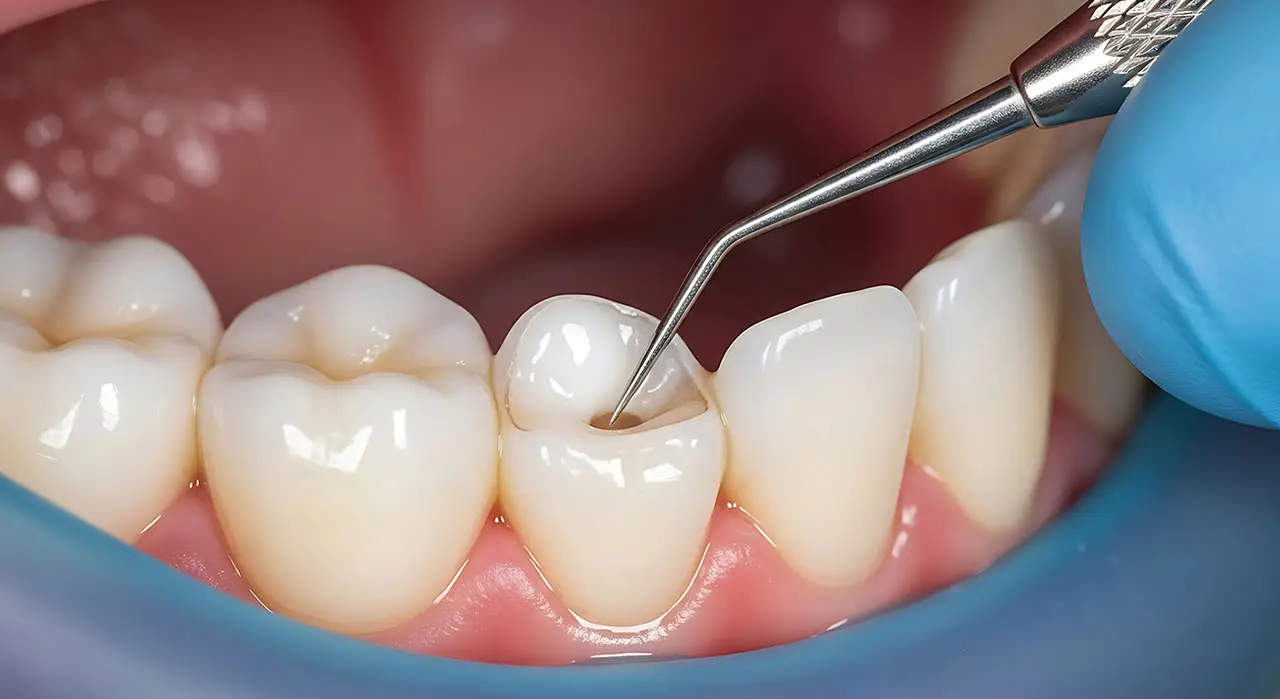
A cavity is an area of tooth structure that has been damaged by decay. The process can begin when acids produced by bacteria in dental plaque affect the mineral structure of enamel.
In its earliest stage, the tooth may show changes before an actual hole forms. However, if the process continues and enough tooth structure is damaged, restorative treatment may become necessary.
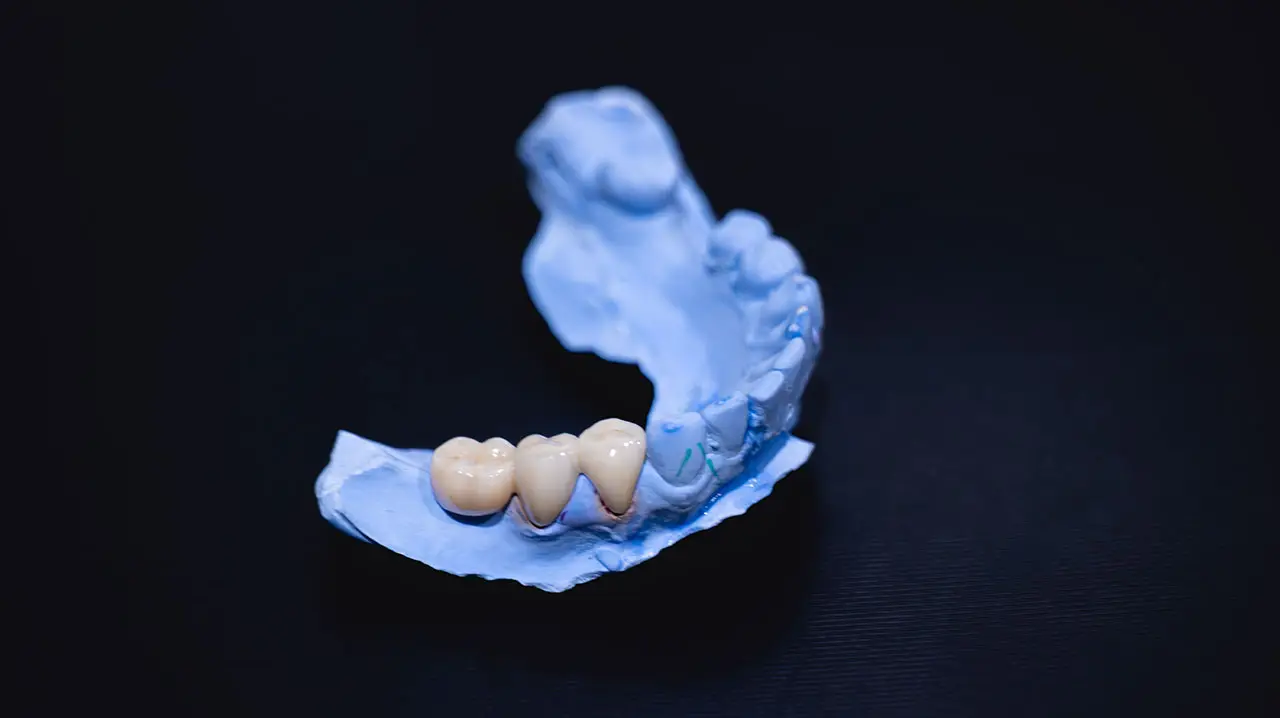
Once a cavity has formed, a filling can be used to remove damaged material and rebuild the affected portion of the tooth. The goal is to restore shape and function while preserving as much healthy tooth structure as possible.
Do Cavities Always Cause Tooth Pain?
No. One of the challenges with tooth decay is that early cavities may cause few or no noticeable symptoms.
A tooth can look and feel relatively normal while decay develops in an area that is difficult to see at home. Cavities between teeth are a good example because they may not be visible when you look in the mirror.
As decay progresses, some people develop sensitivity to cold, sweets, or pressure. Others may notice food repeatedly collecting around a tooth or feel a rough area with their tongue.
Still, symptoms alone cannot reliably tell you whether a cavity is present or how extensive it is. Professional evaluation is important because sensitivity and discomfort can have many causes.
How Does a Dentist Find a Cavity?
Dental exams allow your dentist to inspect the surfaces of your teeth for changes that may indicate decay or structural damage.
Dental X-rays may also be recommended when appropriate. Imaging can reveal areas that are not easily visible during a standard examination, including certain cavities between teeth.
At Fisher Dental, modern diagnostic technology supports the evaluation process. Your dentist considers the visual examination, imaging when needed, symptoms, previous dental history, and the condition of existing restorations.
This complete picture helps determine whether a tooth needs treatment and, if so, what type of restoration makes sense.
When Does a Cavity Need a Filling?
A filling is commonly recommended when decay has damaged enough tooth structure that the area needs to be restored.
The dentist removes the affected material and fills the resulting space. This stops the restoration from being simply a cosmetic patch. Instead, the filling rebuilds an area of the tooth that has lost healthy structure.
Size matters. A relatively small cavity may be well suited to a filling, while a tooth with extensive damage may require a different restoration, such as an inlay, onlay, or crown.
Your dentist considers how much strong tooth structure remains and how much biting pressure the restored area will experience.
Benefits of Tooth-Colored Fillings
Composite tooth fillings offer several advantages when they are appropriate for the affected tooth:
- Repair tooth decay: A filling replaces tooth structure lost after the decayed area is removed.
- Restore tooth shape: Composite material can rebuild the contours needed for comfortable function.
- Natural-looking appearance: Tooth-colored material can be selected to coordinate with the surrounding enamel.
- Preserve healthy structure: Treatment focuses on repairing the affected portion while maintaining sound tooth structure whenever possible.
- Versatile use: Composite material can be useful for many small to moderate areas requiring restoration.
- Mercury-free material: Fisher Dental uses composite fillings rather than amalgam fillings containing mercury.
The most important benefit is restoring the tooth before decay causes additional structural damage. Treating a cavity at an appropriate stage can help keep the restoration more conservative.
What Happens During a Tooth Filling?
Before treatment begins, your dentist confirms which tooth requires care and reviews the planned procedure with you.
The area can be numbed with local anesthetic to help keep you comfortable. The damaged tooth structure is then carefully removed.
Once the area is prepared, composite material is placed to rebuild the tooth. The material is shaped to recreate appropriate contours and then hardened.
Your dentist refines the filling and checks your bite. This is important because a filling that feels too high can create unwanted pressure when you close your teeth together.
Finally, the restoration is polished. Your dentist can provide instructions about eating, temporary numbness, sensitivity, and anything else relevant to your particular treatment.
What Does a Tooth-Colored Filling Look Like?
Composite fillings are designed to coordinate with natural tooth structure. Your dentist selects material based on the area being restored and the appearance of the surrounding tooth.
This can make tooth-colored fillings particularly appealing in visible areas. However, appearance is only one part of successful restorative dentistry.
The filling must also recreate the proper tooth shape and contact with neighboring teeth while fitting comfortably within your bite. A restoration that looks good but interferes with function would not accomplish the full treatment goal.
What Happens If You Ignore a Cavity?
Tooth decay does not repair a physical cavity on its own. If the damaged area progresses, more tooth structure can be affected.
A cavity that could initially be restored with a filling may eventually become too extensive for that type of restoration. If decay reaches deeper areas of the tooth, treatment can become more involved.
This does not mean every suspicious area requires immediate drilling. Dentistry should be based on an actual diagnosis and the condition of the tooth.
However, once your dentist has diagnosed a cavity requiring restoration, postponing treatment can allow the problem to become larger.
Can a Filling Fix a Broken Tooth?
Composite material can repair some small areas of tooth damage, but a filling is not appropriate for every fracture.
The location and size of the break matter. A minor damaged area may be restorable with composite material, while a tooth missing substantial structure may need greater reinforcement.
A dental crown, for example, covers more of the tooth and can be considered when structural weakness is more extensive.
If you break a tooth, an examination allows your dentist to determine how deeply the damage extends and which restoration can provide appropriate support.
How Long Do Tooth Fillings Last?
No filling has an identical lifespan for every patient. Longevity depends on the size and location of the restoration, bite forces, oral hygiene, diet, grinding habits, and the condition of the surrounding tooth.
Small fillings in areas with favorable biting forces may perform differently from larger restorations that absorb substantial chewing pressure.
Daily brushing and between-teeth cleaning help protect the natural tooth surrounding the filling. Regular dental visits also allow your dentist to monitor the restoration for wear, cracks, or changes around its edges.
If you grind or clench your teeth, managing those forces may also help protect restorations from unnecessary stress.
Can You Get Another Cavity Around a Filling?
Yes. A filling repairs an existing damaged area, but the remaining natural tooth can still develop new decay.
Decay may occur on another surface of the tooth or near the edge of an existing restoration. Therefore, having a filling does not make that tooth immune to future dental problems.
Consistent oral hygiene remains essential. Brush thoroughly, clean between your teeth, and maintain preventive dental visits according to your recommended schedule.
Why Might an Old Filling Need Replacement?
Fillings experience years of chewing forces. Over time, a restoration may wear, chip, fracture, or develop changes around its margins.
However, age alone does not necessarily mean a filling must be replaced. Your dentist can evaluate whether an existing restoration remains functional.
If a filling becomes loose, breaks, or allows new decay to develop around it, replacement may be recommended. The appropriate treatment will depend on how much healthy tooth remains.
Can You Prevent Cavities?
No prevention strategy can guarantee that a person will never develop tooth decay, but consistent habits can reduce risk.
Brush thoroughly each day using appropriate technique, clean between your teeth, and avoid allowing sugary foods or beverages to remain in frequent contact with your teeth throughout the day.
Regular dental visits are also important because your dental team can identify areas where plaque collects and provide personalized preventive recommendations.
For some patients, additional preventive services may be appropriate. Fisher Dental can discuss options such as fluoride or dental sealants based on individual needs.
Common Questions About Tooth Fillings
Does getting a filling hurt?
Local anesthetic can be used to numb the treatment area. Your dental team can also explain what sensations to expect during and after the procedure.
How long does a filling appointment take?
Appointment length depends on the size, location, and number of cavities being treated. A straightforward composite filling can often be completed during a routine restorative visit.
Can a cavity go away without a filling?
Very early mineral changes may be managed differently from a physical cavity, depending on the clinical situation. Once tooth structure has been lost and a cavity requires restoration, your dentist may recommend a filling.
Why is my tooth sensitive after a filling?
Some teeth may experience temporary sensitivity after restorative treatment. If sensitivity is severe, worsening, or does not improve, contact your dentist for an evaluation.
How do I know if I need a filling or a crown?
The amount and location of damaged tooth structure help determine the restoration. Fillings can repair many smaller areas, while a crown may be considered when a tooth requires more extensive reinforcement.
Treat Tooth Decay Before It Becomes a Larger Problem
You do not need to wait for a toothache to find out whether you have a cavity. Routine examinations can identify tooth decay before it creates obvious symptoms, while composite fillings can restore many teeth when damage is still manageable. The appropriate treatment depends on the location and extent of the decay and how much healthy tooth remains.
If you are concerned about a cavity or need tooth fillings in Murfreesboro, call Fisher Dental at (615) 640-4344 to book an appointment and have the tooth evaluated.