
A sudden toothache, broken tooth, or swollen jaw can make it difficult to focus on anything else. However, many people are unsure whether they should seek immediate care or wait for a routine appointment. An emergency dentist in Murfreesboro can evaluate urgent symptoms, relieve discomfort, and help protect a damaged tooth before the problem becomes more complicated.
Fisher Dental encourages patients to call when they are uncertain. A dental team can ask about the symptoms, explain what to do at home, and determine how quickly you should be seen. Acting promptly is especially important when pain is severe, swelling is spreading, bleeding will not stop, or a permanent tooth has been knocked out.
What Is Considered a Dental Emergency?
A dental emergency is a problem that needs prompt professional attention to control pain, manage infection, stop bleeding, or reduce the risk of permanent damage. Not every uncomfortable symptom requires same-day treatment, but persistent or intense symptoms should not be ignored. In addition, a minor-looking injury may involve deeper damage that cannot be seen without an examination or dental imaging.
Common reasons to contact an emergency dentist in Murfreesboro include severe tooth pain, facial swelling, dental trauma, a broken restoration, a cracked tooth, uncontrolled bleeding, or signs of infection. The urgency depends on the cause and severity. Therefore, calling the office is often the safest way to receive guidance tailored to the situation.
Symptoms That Need Prompt Attention
- Severe or worsening tooth pain: Intense pain may point to decay, infection, a crack, or inflammation inside the tooth.
- Swelling in the gums, face, or jaw: Swelling can be associated with infection and should be evaluated quickly, particularly when it is increasing.
- A knocked-out permanent tooth: Fast action may improve the chance of saving the tooth.
- Uncontrolled oral bleeding: Bleeding that continues despite steady pressure requires urgent attention.
- A broken or deeply cracked tooth: Damage may expose sensitive inner tooth structure and leave the tooth vulnerable to further fracture.
- Fever with dental pain or swelling: This combination can indicate that an infection is affecting more than the tooth alone.
- Difficulty opening the mouth, swallowing, or breathing: These symptoms can signal a serious condition and may require emergency medical care.
Call 911 or go to the nearest hospital emergency department for trouble breathing, trouble swallowing, serious facial trauma, heavy bleeding that cannot be controlled, or symptoms that may be life-threatening. A dentist treats the dental source, but emergency medical professionals are equipped to stabilize conditions that threaten breathing or overall safety.
What to Do Before You Reach the Dentist
The first few minutes after a dental injury can matter. Stay calm, call the dental office, and follow the instructions you receive. Meanwhile, use simple first-aid measures that protect the area without creating additional damage.
For a Knocked-Out Permanent Tooth
Pick up the tooth by the crown, which is the part normally visible in the mouth. Avoid touching the root. If the tooth is dirty, gently rinse it with clean water without scrubbing. When possible, place it back into the socket with the correct orientation and hold it there carefully. If that is not possible, keep it moist in milk or another dentist-recommended storage solution and seek care immediately. Do not place a knocked-out baby tooth back into the socket.
For a Broken or Cracked Tooth
Rinse gently with lukewarm water. Save any tooth fragments you can find, and apply a cold compress to the outside of the face if swelling is present. Avoid chewing on that side. In addition, do not place aspirin directly against the tooth or gums because it can irritate the tissue.
For Severe Tooth Pain
Floss gently around the tooth in case food is trapped, then rinse with warm water. Use over-the-counter medication only as directed on the label and only when it is safe for you. Pain relief may make the wait more manageable, but it does not treat the cause. Therefore, ongoing or intense pain still needs an examination.
For a Lost Filling or Crown
Keep the crown if it has come off, and bring it to the appointment. Avoid chewing sticky or hard foods on the affected side. Temporary dental material from a pharmacy may cover a lost filling for a short period, but household glue should never be used to reattach a crown.
Common Problems an Emergency Dentist Treats
An emergency dentist in Murfreesboro may treat many different conditions. The appointment usually begins with questions about when the problem started, what makes it better or worse, and whether an injury occurred. Next, the dentist examines the area and may take an X-ray to identify hidden damage.
Dental Infection or Abscess
An abscess is a pocket of infection that can form near a tooth or in the gums. Symptoms may include throbbing pain, pressure, swelling, a pimple-like bump on the gum, an unpleasant taste, or sensitivity to temperature. Treatment depends on the source and may involve draining the infection, treating the tooth, or removing a tooth that cannot be restored. Antibiotics may be used in certain situations, but they do not replace treatment of the underlying dental problem.
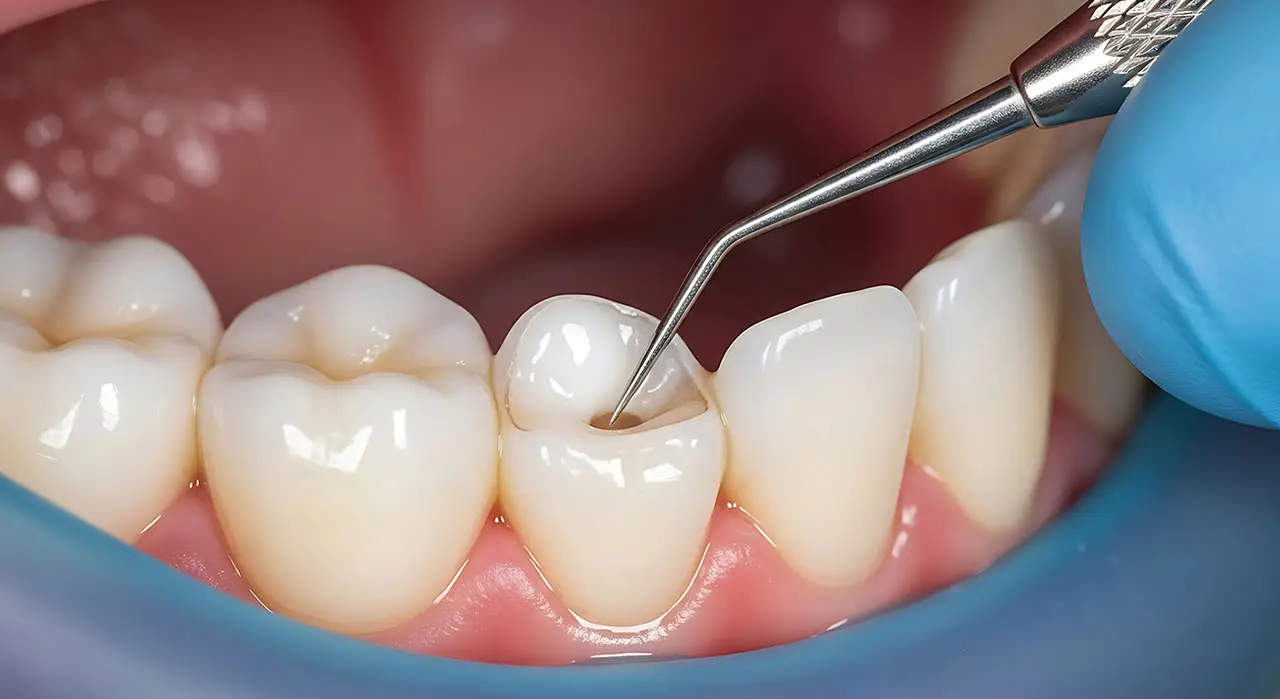
Cracked or Fractured Teeth
Some cracks are small, while others extend into the center or root of the tooth. A crown, filling, root canal treatment, or extraction may be considered depending on the depth and location. Because cracks can spread with chewing pressure, early evaluation may preserve more of the tooth.
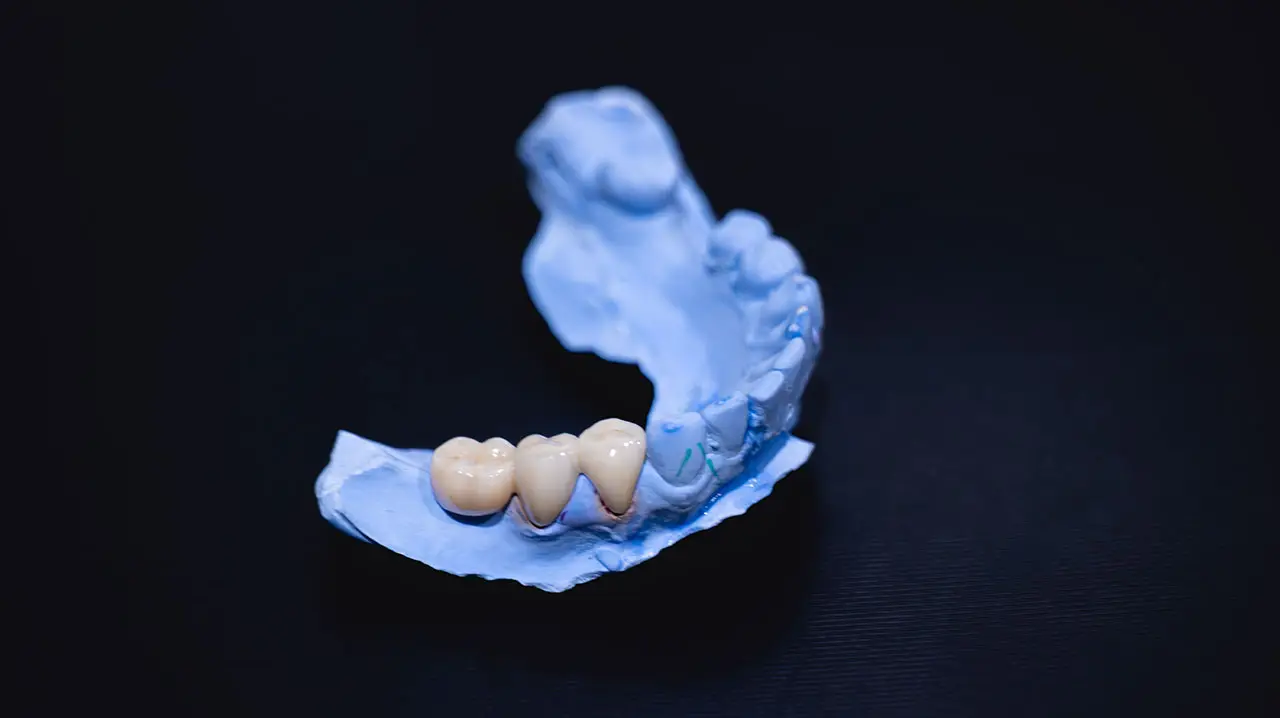
Damaged Restorations
A loose crown, broken bridge, or missing filling can expose sensitive tooth structure and change the bite. Although the situation may not always cause severe pain, the tooth should be assessed before additional material breaks away. Fisher Dental provides restorative dentistry solutions that may repair or replace a damaged restoration.
Soft Tissue Injuries
Cuts to the lips, cheeks, tongue, or gums can bleed heavily because the mouth has a strong blood supply. Apply clean gauze with steady pressure. If bleeding does not slow, the wound is deep, or the injury involves major facial trauma, seek emergency medical care.
Benefits of Emergency Dental Care
- Faster pain relief: Identifying the source allows the dentist to recommend treatment rather than relying only on temporary home remedies.
- A better chance of saving the tooth: Prompt care may make more treatment options available after trauma, deep decay, or a crack.
- Control of dental infection: Early treatment can address the source before swelling and discomfort become more severe.
- Protection against further damage: Stabilizing a broken tooth or restoration can reduce additional wear, fracture, or irritation.
- Clear instructions: Patients leave with a diagnosis, a treatment plan, and guidance for caring for the area.
- Peace of mind: An examination can replace uncertainty with practical information about what happened and what should be done.
What Not to Do During a Dental Emergency
Home care should support professional treatment, not delay it. Avoid placing aspirin, alcohol, essential oils, or harsh chemicals directly on painful gums. These products may burn or irritate oral tissues. Also, do not attempt to drain an abscess, smooth a broken tooth with tools, or pull a loose permanent tooth on your own.
Heat can increase swelling in some situations, so a cold compress on the outside of the face is generally preferred after an injury. In addition, do not ignore symptoms simply because pain temporarily fades. A damaged nerve may stop producing pain even though infection or structural damage remains.
Can Dental Emergencies Be Prevented?
Not every accident can be avoided, but many urgent problems begin as smaller issues. Routine exams allow the dentist to find weakened fillings, cracks, decay, and gum problems before they create a crisis. Wearing a custom mouthguard during contact sports also helps protect the teeth from injury.
- Brush twice daily and clean between teeth every day.
- Keep regular dental exams and cleanings.
- Do not chew ice, hard candy, pens, or other objects.
- Use scissors rather than teeth to open packages.
- Wear a sports mouthguard during activities with a risk of impact.
- Ask about a nightguard if you grind or clench your teeth.
- Address sensitivity, small chips, or intermittent pain before symptoms intensify.
Preparation can also reduce stress. Save Fisher Dental’s phone number in your contacts and keep basic supplies such as gauze and a cold pack at home. When an accident happens, you will be able to call quickly instead of searching for an emergency dentist in Murfreesboro while you are already uncomfortable.
Common Questions About Emergency Dental Care
Is a toothache always an emergency?
A mild, brief sensitivity may not require same-day care. However, severe pain, pain that wakes you, swelling, fever, pressure, or symptoms that continue should be evaluated promptly. Call the office and describe what you are experiencing so the team can advise you.
Can the hospital emergency department fix a tooth?
A hospital can help with serious facial trauma, uncontrolled bleeding, breathing problems, or a spreading infection. However, most hospitals do not provide definitive dental repair. You may still need an emergency dentist to treat the tooth or gums after urgent medical concerns are stabilized.
What if my dental crown falls off but I have no pain?
Call the dentist even when the tooth does not hurt. The exposed tooth may be vulnerable to sensitivity, decay, movement, or fracture. Keep the crown safe and avoid chewing on the area until it can be evaluated.
Should I go to sleep and see whether the pain improves?
Severe or escalating pain should not be ignored. Call for guidance, particularly when pain is paired with swelling, fever, drainage, trauma, or difficulty swallowing. Waiting can allow some conditions to become harder to treat.
Get Prompt Help for Dental Pain or Injury
When something feels seriously wrong with a tooth, quick guidance can protect your comfort and your oral health. You do not need to diagnose the problem before calling. Describe the symptoms, explain when they began, and let the dental team help determine the appropriate level of care.
For urgent dental concerns in Murfreesboro, Call Us Today at (615) 962-7262. Fisher Dental is located at 3411 Memorial Blvd A2, Murfreesboro, TN 37129, and the team will help you understand how soon you should be seen.