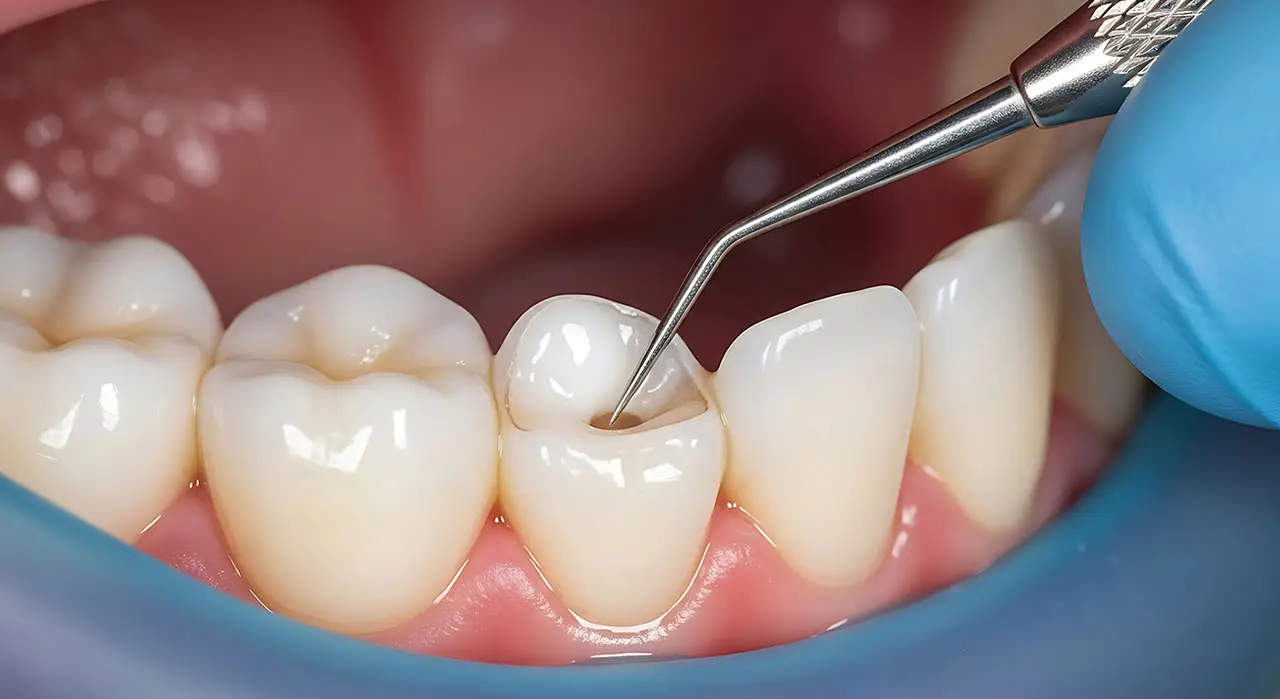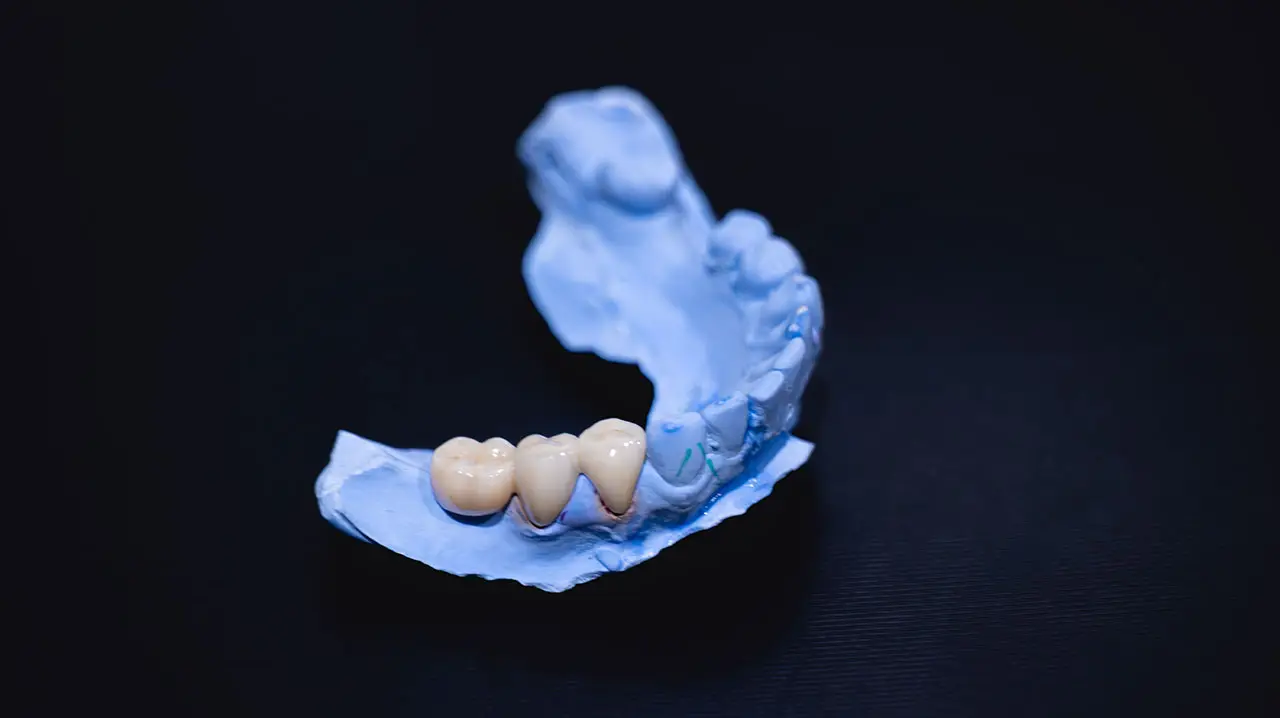

A missing tooth can change more than the way your smile looks. It may affect how comfortably you chew, how clearly you speak, and how confident you feel during everyday conversations. Fortunately, modern dental implants in Murfreesboro can provide a stable, natural-looking way to rebuild an incomplete smile. Instead of simply covering the open space, an implant replaces the missing tooth from the root upward.
At Fisher Dental, patients can explore tooth replacement options that fit their oral health, daily routine, and long-term goals. Dental implants may support a single crown, a bridge, or a denture, so treatment can be personalized for one missing tooth or several. Although every case is different, understanding how dental implants work can make it easier to decide whether a consultation is worthwhile.
How Dental Implants Replace Missing Teeth
A dental implant is a small post placed in the jaw where a natural tooth root once sat. After placement, the surrounding bone gradually heals around the implant. This process creates a secure foundation for a custom restoration. Once healing is complete, the visible replacement tooth is attached, allowing the implant to function as a complete tooth replacement rather than a removable surface-level solution.
Dental implants usually involve several components. The implant post sits below the gumline, an abutment connects the post to the restoration, and a crown, bridge, or denture completes the smile. Because the final restoration is designed for the individual patient, its shape and shade can blend with nearby teeth. As a result, dental implants in Murfreesboro can look balanced and feel comfortable in day-to-day life.
The process requires careful planning. Your dentist evaluates your gums, remaining teeth, bite, and available bone before recommending treatment. Digital imaging may also be used to understand the structure beneath the gums. At Fisher Dental, Dr. Fisher coordinates implant treatment with a trusted specialist for placement, then provides the custom restoration after the implant has healed.
Who May Be a Candidate for Dental Implants?
Many adults with missing teeth may be considered for dental implants. However, candidacy depends on the health of the mouth and the patient’s overall circumstances. A consultation is important because the same solution is not ideal for everyone. Your dentist will look for a healthy foundation and discuss any factors that could affect healing.
- Healthy gums: Active gum disease should be addressed because the tissues around an implant help support long-term stability.
- Adequate jawbone: The implant needs enough bone for support. When bone volume is limited, additional treatment may be discussed.
- Manageable health conditions: Certain medical conditions or medications can influence healing, so a complete health history is essential.
- Consistent oral hygiene: Brushing, flossing, and professional care remain important after an implant is restored.
- Realistic expectations: Dental implants require planning and healing time, but the result is designed for lasting function.
Even if you have been missing a tooth for years, it may still be possible to consider implant treatment. Bone changes can occur after tooth loss, so the dentist may need to discuss extra preparation. Therefore, it is helpful not to assume that you qualify or do not qualify based only on how long the space has been present.
What to Expect During the Dental Implant Process
- Consultation and planning: Your mouth is examined, your goals are reviewed, and imaging is used to plan the position of the implant.
- Implant placement: A specialist places the implant post in the jaw using a carefully planned approach.
- Healing period: The implant remains protected while the bone heals around it and creates a stable foundation.
- Restoration design: Fisher Dental plans a crown, bridge, or denture that fits your bite and complements your smile.
- Final attachment: Once the implant is ready, the custom restoration is secured and checked for comfort and function.
The full timeline varies. Healing may take several months because the implant needs time to integrate with the jawbone. Some patients also need preliminary care, such as gum disease treatment, an extraction, or bone support. Although the process is not immediate, each phase has a purpose. Careful healing helps create a more dependable base for the final tooth.
During treatment, you will receive instructions for keeping the area clean and protecting it while it heals. Follow-up visits allow the dental team to monitor progress and answer questions. In addition, temporary tooth replacement may be discussed when appearance or function needs support during the healing period.
Benefits of Dental Implants
- Stable chewing support: Dental implants are anchored in the jaw, so they can provide dependable support when biting and chewing a varied diet.
- Natural-looking results: A custom restoration can be shaped and shaded to coordinate with the surrounding teeth rather than drawing attention to the replacement.
- Support for the jawbone: An implant replaces the root portion of a missing tooth and transfers normal biting pressure into the jaw.
- No need to rely on neighboring teeth: A single implant can replace one tooth without requiring the adjacent teeth to support a traditional bridge.
- Improved denture security: Implant-supported dentures can reduce unwanted movement and help many patients feel more comfortable while eating or speaking.
- Easy daily care: A single implant crown is generally brushed and flossed much like a natural tooth, with additional guidance from the dental team as needed.
- Long-term value: With good home care, routine dental visits, and healthy habits, dental implants are designed to serve as a durable tooth replacement option.
Choosing Between an Implant, Bridge, or Denture
Dental implants are one option among several. A traditional bridge fills a gap by using neighboring teeth for support. A removable partial denture can replace several teeth without implant placement. Full dentures may replace an entire arch. Each option has advantages, and the right choice depends on the number of missing teeth, the condition of nearby teeth, available bone, budget, and personal preferences.
Replacing One Missing Tooth
For a single missing tooth, an implant-supported crown is often considered because it replaces the tooth without using the teeth on either side as anchors. However, a traditional bridge may be appropriate when neighboring teeth already need crowns or when implant surgery is not recommended. Your dentist can explain the tradeoffs in clear terms.
Replacing Several Missing Teeth
When several teeth are missing in a row, an implant-supported bridge may reduce the number of individual implants needed. Meanwhile, patients missing most or all teeth may benefit from an implant-supported denture. This type of restoration uses implants for added stability, which can make the denture feel more secure than a conventional removable appliance.
Because every mouth has different needs, treatment should be based on an examination rather than a one-size-fits-all package. Fisher Dental also provides restorative dentistry options, allowing patients to compare practical ways to restore comfort and function.
How to Care for Dental Implants
Dental implants cannot develop cavities, but the gums and bone around them still require daily care. Plaque can collect around the restoration, and inflammation can threaten the tissues supporting the implant. Therefore, regular home care and professional monitoring remain essential.
- Brush twice a day with a soft-bristled toothbrush.
- Clean between the implant and nearby teeth every day.
- Use floss, interdental brushes, or another tool recommended by your dental team.
- Avoid chewing ice or using teeth to open packages.
- Wear a nightguard if grinding or clenching could place extra force on the restoration.
- Keep routine dental exams and professional cleanings.
Smoking and poorly controlled health conditions may increase the risk of complications. For that reason, be open about your habits and medical history. Your dentist can help you understand which changes may protect healing and improve the long-term outlook for dental implants.
Common Questions About Dental Implants in Murfreesboro
Do dental implants feel like natural teeth?
Once healed and restored, many patients find that an implant-supported tooth feels stable during normal biting and chewing. The implant does not contain the same nerves as a natural tooth, so sensation is different. However, the surrounding gums, bite, and jaw still provide feedback that helps the restoration feel integrated into the smile.
How long do dental implants last?
The lifespan varies based on oral hygiene, gum health, bite forces, health conditions, and regular dental care. The implant post is designed as a long-term foundation, while the crown or other restoration may eventually need maintenance or replacement because of normal wear.
Is the dental implant procedure painful?
Comfort measures are used during implant placement, and patients receive aftercare instructions for the healing period. Tenderness, swelling, or soreness may occur afterward. The dental team will explain what is expected and when a symptom should be reported.
Can dental implants replace all of my teeth?
Yes, implants can support a full-arch denture in appropriate cases. However, this does not usually require one implant for every missing tooth. The number and position of implants are planned to support the restoration safely and efficiently.
Rebuild Your Smile With a Personalized Plan
Living with a missing tooth does not have to remain your normal. A carefully planned implant restoration may help you eat more comfortably, protect the balance of your bite, and enjoy a complete-looking smile. The most useful place to begin is a personalized evaluation that considers your gums, bone, remaining teeth, and goals.
Ready to learn whether dental implants in Murfreesboro may be right for you? Contact Fisher Dental at (615) 962-7262 to Schedule a Consultation at 3411 Memorial Blvd A2 in Murfreesboro, TN.