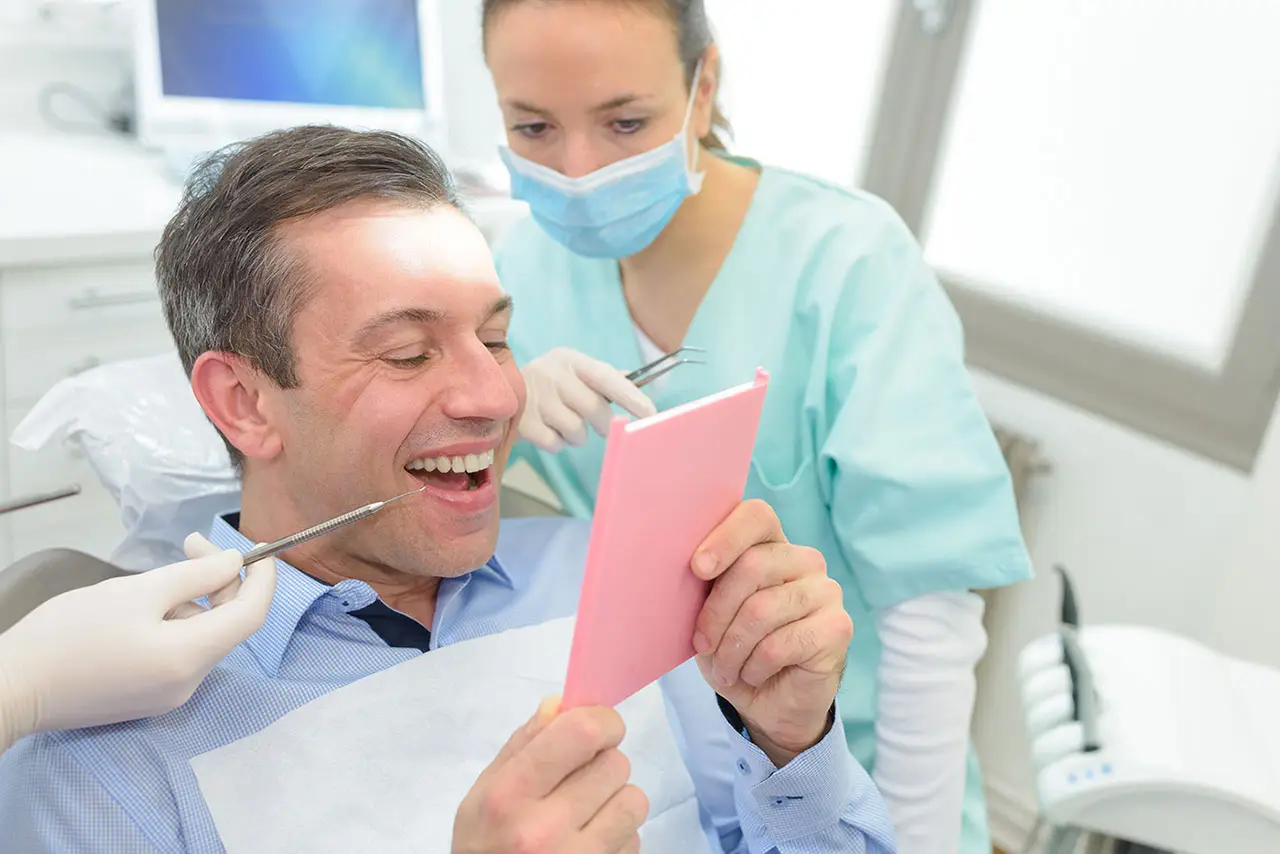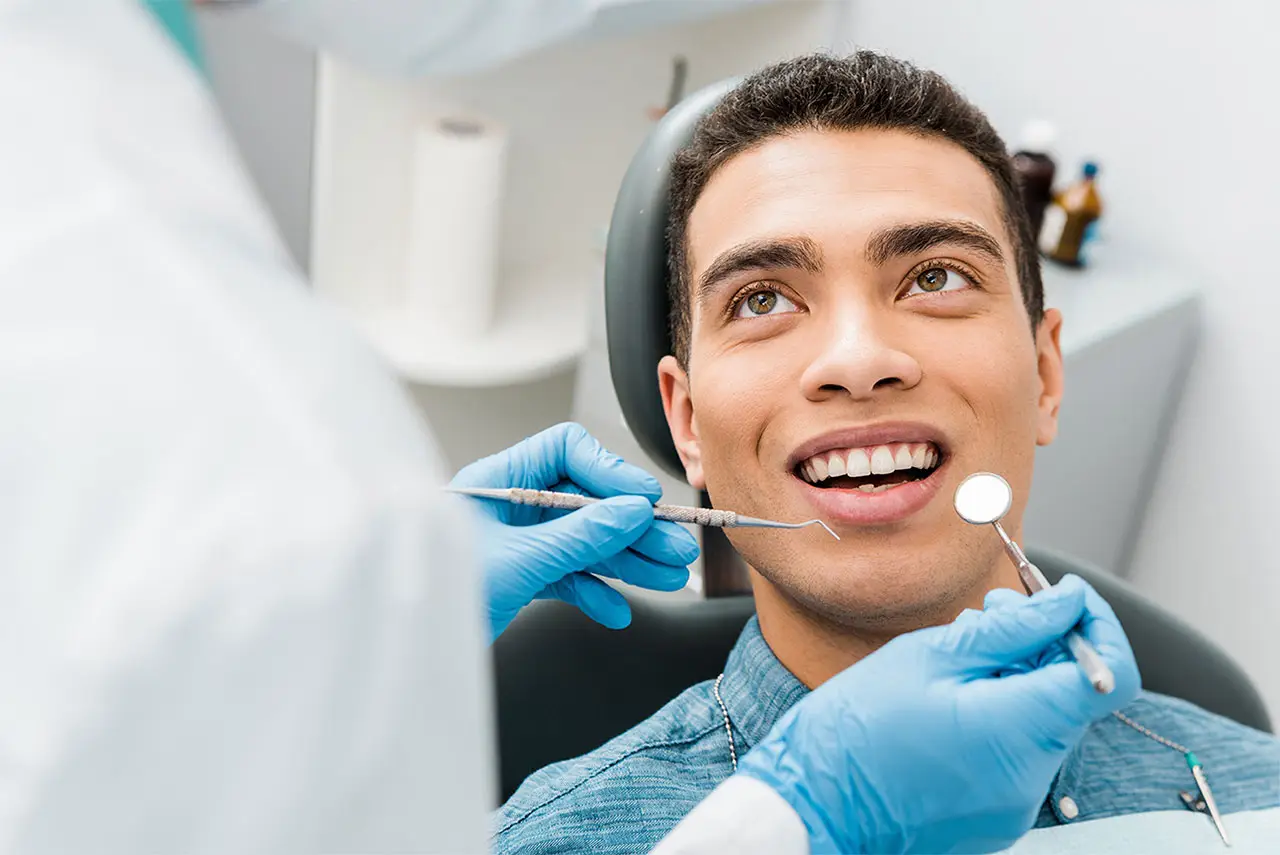

When you visit the dentist, you probably expect your teeth to be checked for cavities and your gums to be examined for signs of disease. However, a comprehensive dental examination also involves looking at the soft tissues of your mouth. These tissues can develop changes that deserve professional attention, even when your teeth feel completely healthy.
At Fisher Dental, oral cancer screenings in Murfreesboro are included as part of comprehensive dental examinations. Dr. Todd Fisher and his team evaluate oral health beyond the teeth, helping identify unusual tissue changes that may require monitoring or further evaluation.
Although most changes inside the mouth are not cancer, persistent sores, unusual patches, or unexplained tissue changes should not be ignored. Understanding what an oral cancer screening involves can help you approach your next dental appointment with greater awareness and confidence.
What Is an Oral Cancer Screening?
An oral cancer screening is an examination of the mouth and related tissues to look for changes that may be concerning.
During the screening, your dentist visually examines areas such as the lips, cheeks, tongue, gums, palate, and other accessible oral tissues.
The examination may also involve gently feeling certain areas for unusual lumps, firmness, or changes in tissue texture.
Importantly, a screening is not the same as a cancer diagnosis. It is an opportunity to identify findings that may need additional investigation.
If an unusual area is discovered, your dentist may recommend monitoring, referral, or further testing depending on its appearance and clinical history.
Why Are Oral Cancer Screenings Important?
Some concerning oral tissue changes do not cause significant pain in their early stages. As a result, a person may not realize that an area deserves attention.
Routine dental examinations provide an opportunity for a trained professional to inspect areas that patients may rarely examine themselves.
For example, the sides of the tongue, the floor of the mouth, and certain areas toward the back of the oral cavity can be difficult to see without proper lighting and examination techniques.
Additionally, people may assume that a sore or patch will disappear on its own. While many oral irritations are temporary, changes that persist should be evaluated.
Screening does not guarantee that every cancer will be detected. However, recognizing suspicious findings and arranging appropriate follow-up is an important part of comprehensive oral healthcare.
What Areas Does a Dentist Examine?
An oral cancer screening involves more than looking at the visible front teeth and gums.
Your dentist may examine the inner surfaces of the lips and cheeks, the top and sides of the tongue, the floor of the mouth, the roof of the mouth, and the surrounding gum tissue.
Depending on the examination, the dentist may also evaluate accessible areas toward the back of the mouth and feel for unusual changes in the head and neck region.
Each area has different normal tissue characteristics. Your dentist considers color, texture, symmetry, and any changes that appear inconsistent with healthy surrounding tissue.
Because oral anatomy varies, the examination is interpreted in the context of your health history and any symptoms you report.
What Happens During an Oral Cancer Screening?
Most routine oral screenings are straightforward and can be incorporated into a comprehensive dental appointment.
First, your dentist reviews relevant symptoms and medical history. You may be asked whether you have noticed persistent sores, unusual patches, swallowing difficulties, or unexplained changes in your mouth.
Next, the dentist visually examines oral tissues using appropriate lighting and dental instruments.
You may be asked to move your tongue or open your mouth wider so different areas can be seen clearly.
The dentist may also gently feel certain tissues to evaluate their texture and check for unusual firmness or swelling.
If everything appears normal, no additional testing may be necessary at that time. If a suspicious finding is present, your dentist can explain the recommended follow-up.
Benefits of Oral Cancer Screenings
Oral cancer screenings provide several valuable opportunities within routine dental care.
- Identification of unusual tissue changes: Screenings help dentists recognize areas that may require further evaluation.
- Attention to difficult-to-see areas: Professional examinations include oral tissues that patients may not regularly inspect.
- Early professional assessment: Persistent changes can be evaluated before they are overlooked for extended periods.
- Personalized risk discussions: Your dentist can review habits and health factors that may influence oral cancer risk.
- Appropriate follow-up planning: Suspicious findings can lead to monitoring, referral, or diagnostic testing when indicated.
- Convenient preventive care: Visual oral tissue examinations can be incorporated into routine dental visits.
- Greater oral health awareness: Patients can learn which changes deserve attention between appointments.
The primary value of screening is awareness and appropriate evaluation. A normal screening is reassuring, but it does not replace medical assessment when concerning symptoms develop later.
What Are the Warning Signs of Oral Cancer?
Oral cancer can present in different ways, and many possible warning signs overlap with noncancerous conditions.
One concern is a sore or ulcer that does not heal within approximately two weeks. Although ordinary mouth sores often resolve, a persistent lesion should be professionally evaluated.
Other possible signs include unexplained red or white patches, lumps, thickened tissue, persistent pain, or unusual bleeding.
Some people experience difficulty swallowing, changes in speech, or discomfort that does not have an obvious explanation.
However, none of these symptoms automatically means cancer is present. Infections, trauma, irritation, and other conditions can cause similar changes.
The important step is obtaining a professional evaluation rather than trying to determine the diagnosis at home.
What Causes Oral Cancer?
Oral cancer develops when cells undergo changes that allow abnormal growth. Several factors can influence risk, although cancer can sometimes occur in people without obvious risk factors.
Tobacco exposure is a significant risk factor for cancers affecting the mouth. This includes smoking and certain smokeless tobacco products.
Heavy alcohol consumption can also increase risk, particularly when combined with tobacco use.
Some cancers affecting the throat and related structures are associated with human papillomavirus, commonly called HPV.
Age, previous health history, and other individual factors may also influence risk.
Because risk is not limited to one group, unusual oral changes should be evaluated regardless of whether a person uses tobacco or alcohol.
Can Someone Who Never Smokes Develop Oral Cancer?
Yes. Although tobacco use is an important risk factor, people who have never smoked can still develop oral or oropharyngeal cancer.
This is one reason it is important not to dismiss persistent symptoms simply because you consider yourself low risk.
Additionally, different cancers affecting the mouth and throat can have different risk factors.
Your dentist can discuss relevant health history and explain which findings require further evaluation.
Maintaining routine dental visits is useful, but patients should also contact a healthcare professional if concerning symptoms appear between appointments.
Does an Oral Cancer Screening Hurt?
A routine visual and tactile oral screening is generally comfortable and does not require injections or surgical procedures.
Your dentist may gently move the tongue or cheeks to inspect different areas and may feel tissues with gloved fingers.
If you already have a painful sore or irritated area, examination of that specific location may cause temporary discomfort.
However, the dentist can adjust the examination and explain what is being checked.
If further diagnostic procedures are recommended, those procedures are separate from the routine screening and should be discussed individually.
What Happens If Your Dentist Finds Something Unusual?
Finding an unusual area does not automatically mean you have cancer. Many oral tissue changes are related to irritation, infection, injury, or other noncancerous conditions.
Nevertheless, certain findings deserve additional attention.
Your dentist may ask how long the area has been present, whether it has changed, and whether it causes symptoms.
Depending on the situation, a short follow-up examination may be recommended to see whether the tissue returns to normal.
Alternatively, the dentist may refer you to an appropriate specialist for further evaluation.
A biopsy may be necessary when tissue diagnosis is required. A biopsy involves collecting a small sample for laboratory examination.
Only appropriate diagnostic testing can establish whether a suspicious lesion is cancerous.
How Often Should You Have an Oral Cancer Screening?
Oral tissue evaluation is commonly included during comprehensive dental examinations.
However, the appropriate frequency of dental visits and any additional evaluation depends on individual needs and risk factors.
For many patients, routine preventive appointments provide regular opportunities to examine the mouth.
Patients with certain medical histories or concerning symptoms may need additional monitoring or specialist care.
Importantly, you should not wait for your next scheduled cleaning if you notice a persistent sore, unexplained lump, or other concerning change.
Can You Check Your Mouth at Home?
Being familiar with the normal appearance of your mouth can help you notice changes.
Using a mirror and good lighting, you may be able to observe the lips, gums, cheeks, and visible surfaces of the tongue.
However, home observation has limitations. Some areas are difficult to see, and the appearance of a lesion alone may not reveal its cause.
Therefore, self-checking should not replace professional dental or medical evaluation.
If you notice a change that persists for approximately two weeks, or a symptom that is worsening, contact a healthcare professional.
How Does Oral Cancer Screening Fit Into Preventive Dentistry?
Preventive dentistry involves more than removing plaque and checking for cavities. A comprehensive approach considers the teeth, gums, oral tissues, bite, and relevant health history.
At Fisher Dental, routine examinations include evaluation for cavities, gum disease, and signs of oral cancer.
These different components work together to provide a broader understanding of oral health.
For example, a patient may have healthy teeth but still develop an unusual soft tissue change that requires attention.
Likewise, a person with gum concerns may benefit from preventive guidance and periodontal treatment even when no cavities are present.
Regular examinations create opportunities to discuss these concerns and identify appropriate care based on the findings.
Can Lifestyle Changes Reduce Oral Cancer Risk?
Certain lifestyle choices can help reduce risk, although no strategy can guarantee complete prevention.
Avoiding tobacco products is an important protective step. Limiting alcohol consumption may also help reduce risk.
Discussing HPV vaccination eligibility with an appropriate healthcare professional is another preventive consideration, particularly because HPV is associated with certain throat cancers.
Maintaining regular dental care and seeking evaluation for persistent oral changes also supports awareness and timely follow-up.
However, lifestyle choices should not be used to determine whether a concerning symptom needs examination. Anyone can develop an oral lesion that requires professional assessment.
Frequently Asked Questions About Oral Cancer Screenings
Is an oral cancer screening included in a dental checkup?
At Fisher Dental, comprehensive dental examinations include checking for signs of oral cancer along with evaluating teeth, gums, and overall oral health.
How long does an oral cancer screening take?
A routine visual and tactile oral tissue examination generally takes only a short portion of a comprehensive dental appointment.
Does an unusual spot mean I have oral cancer?
No. Many oral tissue changes are noncancerous. However, persistent or suspicious areas should be evaluated by a qualified healthcare professional.
Can oral cancer develop without pain?
Yes. Some oral cancers may produce little or no pain in their early stages, which is one reason persistent tissue changes should not be ignored.
What should I do if a mouth sore does not heal?
If a sore persists for approximately two weeks, or if it worsens, schedule an evaluation with your dentist or another appropriate healthcare professional.
Make Comprehensive Oral Health Exams a Priority in Murfreesboro
Your oral health involves more than your teeth. Routine dental examinations provide an opportunity to evaluate the gums and soft tissues while identifying changes that may need further attention. Although most oral abnormalities are not cancer, recognizing persistent symptoms and seeking appropriate evaluation can be an important part of protecting your health.
Ready to schedule a comprehensive dental examination? Call Fisher Dental in Murfreesboro at (615) 640-4344 to book an appointment and learn more about oral cancer screenings as part of your preventive dental care.