
Have you ever woken up with a mouth so dry that swallowing feels uncomfortable? An occasional dry mouth can happen after sleeping with your mouth open, exercising, or not drinking enough water. However, when dryness becomes a regular problem, it can affect more than your comfort. Saliva plays an important role in protecting your teeth, supporting digestion, and keeping your mouth healthy.
If you regularly experience oral dryness, dry mouth treatment in Murfreesboro begins with understanding what may be causing the problem. At Fisher Dental, Dr. Todd Fisher and his team provide comprehensive general dentistry, including guidance for patients experiencing dry mouth and other oral health concerns.
Although dry mouth may seem like a minor inconvenience, persistent symptoms deserve attention. Learning how saliva protects your teeth, why dryness develops, and what you can do to manage it can help you make informed decisions about your oral health.
What Is Dry Mouth?
Dry mouth, also called xerostomia, describes the sensation of not having enough moisture in your mouth. It can occur when the salivary glands produce less saliva than your mouth needs, although some people experience a dry sensation even when measured saliva production is relatively normal.
Saliva is essential for everyday oral function. It moistens food, supports swallowing, helps with speech, and begins the digestive process.
Additionally, saliva helps wash away food particles and neutralize acids produced by bacteria in dental plaque. It also contains minerals that support the natural repair processes of tooth enamel.
When saliva is reduced, your mouth may become more vulnerable to discomfort, tooth decay, and other oral health concerns.
What Are the Common Symptoms of Dry Mouth?
Dry mouth can affect people differently. Some notice dryness primarily when waking up, while others experience symptoms throughout the day.
Common signs include a sticky or dry feeling inside the mouth, frequent thirst, difficulty swallowing dry foods, and a sensation that the tongue or throat lacks moisture.
Some patients also notice changes in taste, persistent bad breath, or difficulty speaking for extended periods.
In more pronounced cases, the lips may become dry or cracked, and oral tissues may feel irritated.
However, these symptoms can have several possible causes. A dental examination helps determine whether oral dryness is contributing to other problems and whether further medical evaluation may be appropriate.
What Causes Dry Mouth?
There is no single cause of dry mouth. Several factors can influence saliva production and the sensation of oral moisture.
Medications are a common contributor. Certain medicines used for allergies, blood pressure, mood disorders, and other health conditions may list dry mouth as a possible side effect.
Dehydration can also cause temporary dryness. When your body does not receive enough fluids, your mouth may feel dry along with other symptoms.
Additionally, breathing through your mouth during sleep can contribute to morning dryness. Nasal congestion and certain sleep-related breathing patterns may make this more noticeable.
Some medical conditions can affect salivary gland function. Radiation treatment involving the head and neck may also influence saliva production.
Because the causes vary, effective management begins with identifying the factors that may be contributing to your symptoms.
Can Medications Cause Dry Mouth?
Yes. Many commonly prescribed and over-the-counter medications can contribute to oral dryness.
However, you should never stop taking a prescribed medication simply because you suspect it is causing dry mouth.
Instead, discuss the symptoms with the healthcare professional who prescribed the medication. Depending on your situation, they may review your treatment plan or suggest ways to manage the side effect.
Your dentist can also recommend oral care strategies to help protect your teeth while the underlying medical treatment continues.
Providing an updated medication list during dental appointments is useful because it helps your dental team understand potential factors affecting your oral health.
Why Is Saliva Important for Healthy Teeth?
Saliva does much more than keep your mouth comfortable. It plays a protective role throughout the day.
Every time you eat or drink, bacteria in dental plaque may produce acids that affect tooth enamel. Saliva helps neutralize those acids and supports the natural balance of the oral environment.
It also helps move food particles away from tooth surfaces and provides minerals that support enamel.
When saliva production decreases, these protective functions may become less effective. As a result, people with persistent dry mouth can face an increased risk of cavities.
Decay may develop in areas that were previously less vulnerable, including around the gumline or near existing dental restorations.
That is why managing dry mouth should include preventive dental care rather than focusing only on relieving the uncomfortable sensation.
Benefits of Dry Mouth Treatment
Addressing persistent oral dryness can support both everyday comfort and long-term oral health.
- Improved oral comfort: Appropriate management may reduce the sticky, dry sensation that interferes with daily activities.
- Better cavity prevention: Identifying dry mouth allows your dentist to recommend strategies that help protect vulnerable tooth surfaces.
- Easier eating and swallowing: Improving oral moisture may make certain foods more comfortable to manage.
- Support for gum and soft tissue health: Managing dryness can help reduce irritation associated with insufficient oral moisture.
- Personalized preventive care: Your dentist can recommend fluoride products, hygiene adjustments, or other appropriate measures based on your risk.
- Identification of contributing factors: An evaluation may help determine whether medications, habits, or medical conditions require additional attention.
- Improved daily routines: Practical changes can make it easier to maintain comfort and consistent oral hygiene.
Dry mouth treatment is not necessarily one specific procedure. Instead, it often involves combining symptom management, preventive dentistry, and appropriate medical coordination.
How Can You Relieve Dry Mouth at Home?
Several practical habits may help reduce mild oral dryness, although results depend on the underlying cause.
Drinking water regularly throughout the day can help maintain hydration and temporarily relieve dryness. Keeping water nearby may be particularly useful if you notice symptoms while speaking or working.
Chewing sugar-free gum may also encourage saliva production in people whose salivary glands can still respond to stimulation.
Additionally, reducing frequent exposure to alcohol-containing beverages and tobacco products may help limit irritation and dryness.
Some patients benefit from using a humidifier while sleeping, particularly when dry indoor air contributes to morning symptoms.
However, home remedies should not replace professional evaluation when dryness persists or becomes more severe.
Should You Use Sugar-Free Gum or Lozenges?
Sugar-free gum and certain sugar-free lozenges may help stimulate saliva flow.
Products containing xylitol can be an option for some patients, although they should be used according to product instructions and individual dental recommendations.
It is important to choose sugar-free products because frequently sucking on sugary candy can increase cavity risk, especially when saliva is already reduced.
Also, some acidic candies and lozenges can contribute to enamel erosion if used frequently.
Your dental team can help you identify options that are appropriate for your oral health needs.
Can Dry Mouth Cause Bad Breath?
Yes. Saliva helps wash away food particles and maintain a balanced oral environment.
When the mouth becomes dry, odor-producing bacteria and debris may remain in contact with oral tissues for longer periods.
As a result, some people with dry mouth notice persistent bad breath even when they brush regularly.
However, bad breath can also be associated with gum disease, cavities, certain foods, and other health concerns.
Rather than relying only on mouthwash or breath mints, an examination can help identify the underlying cause.
How Does Dry Mouth Affect Dentures?
Saliva also plays a role in denture comfort and function.
Traditional dentures interact with the gums and surrounding tissues, and oral moisture can influence how comfortable the appliance feels.
When the mouth is unusually dry, some denture wearers experience irritation, friction, or difficulty maintaining comfortable contact between the denture and oral tissues.
Persistent dryness may also contribute to sore areas that require professional attention.
If you wear dentures and experience dry mouth, tell your dentist. Both the appliance fit and the underlying dryness should be evaluated.
What Happens During a Dry Mouth Evaluation?
Your dentist begins by discussing your symptoms and health history. You may be asked when the dryness occurs, how long it has been present, and whether you have noticed changes in eating, swallowing, or speaking.
Medication history is also important because some medicines can contribute to reduced saliva production.
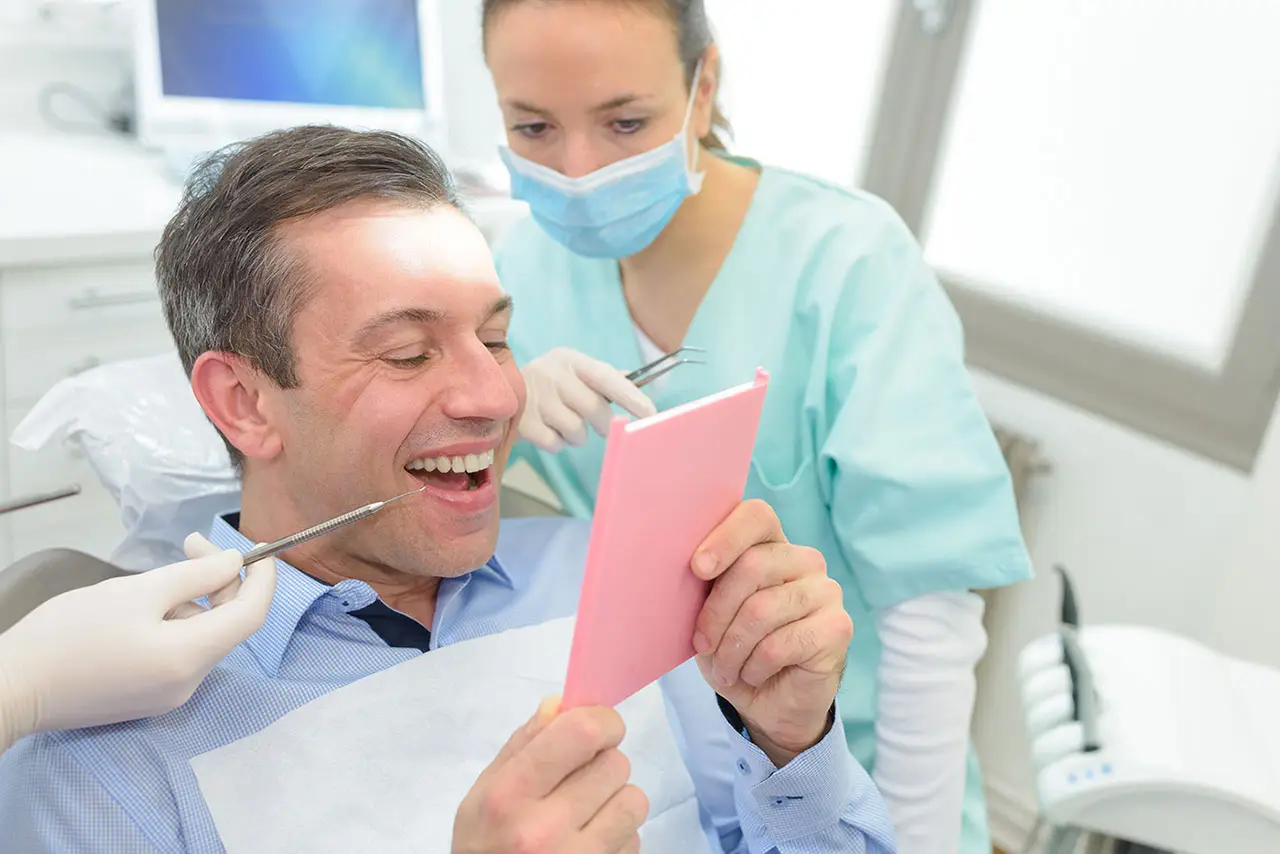
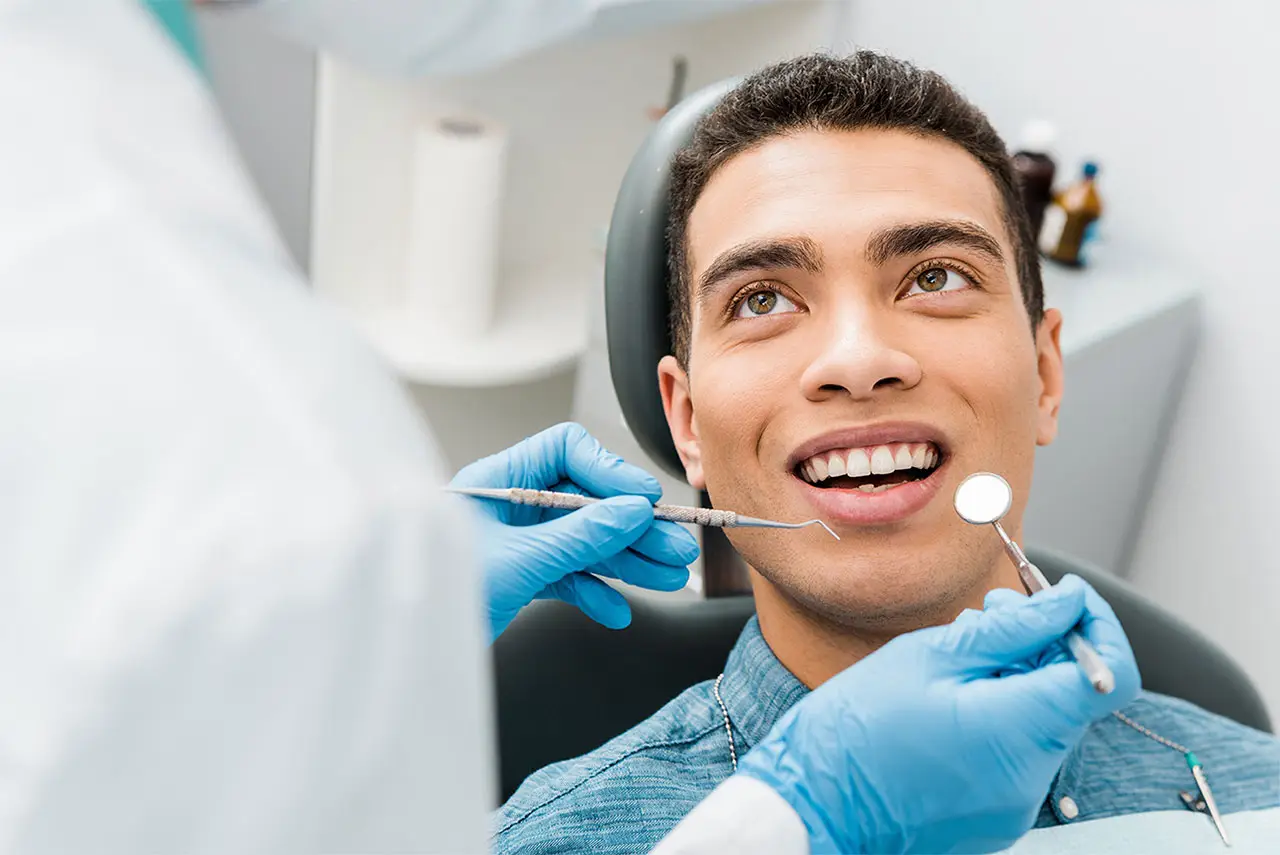
Next, your dentist examines your teeth, gums, tongue, and other oral tissues for signs of dryness or related problems.
Particular attention may be given to cavity risk, gum health, and existing restorations.
If the findings suggest an underlying medical condition, your dentist may recommend speaking with your physician or another appropriate healthcare professional.
The goal is to understand the problem and create a reasonable management plan rather than treating every case of dry mouth identically.
Can Fluoride Help Protect Teeth When You Have Dry Mouth?
Fluoride can be especially useful for patients whose teeth are exposed to an increased risk of decay.
Because reduced saliva can weaken some of the mouth’s natural protective functions, your dentist may recommend additional fluoride measures based on your cavity history and oral health.
These might include professional fluoride applications or specific home care products.
However, the appropriate approach depends on the individual patient. Your dentist can explain whether additional fluoride protection would be useful and how to incorporate it safely into your routine.
When Should You See a Dentist About Dry Mouth?
Occasional dryness after exercise or a night of mouth breathing may not require extensive treatment.
However, persistent symptoms deserve evaluation, particularly if you experience difficulty swallowing, recurring mouth sores, new cavities, or ongoing discomfort.
Dry mouth that begins after a medication change should also be discussed with the prescribing healthcare professional.
If dryness is accompanied by significant swelling, severe pain, or other concerning symptoms, prompt medical or dental evaluation may be necessary.
Addressing the problem early can help reduce discomfort and identify preventive steps before additional dental damage develops.
Frequently Asked Questions About Dry Mouth
Can dry mouth cause cavities?
Yes. Reduced saliva can increase cavity risk because saliva helps neutralize acids, wash away debris, and support enamel protection.
Is dry mouth a normal part of aging?
Dry mouth is more common among some older adults, but aging alone does not automatically cause it. Medications and medical conditions can contribute.
Can drinking more water cure dry mouth?
Water may relieve temporary dryness and help maintain hydration, but persistent dry mouth caused by medications or medical conditions may require additional management.
Should I stop taking medication if it causes dry mouth?
No. Never discontinue prescribed medication without consulting the healthcare professional responsible for your treatment.
Can a dentist help with dry mouth?
Yes. A dentist can evaluate oral symptoms, identify related dental risks, recommend preventive care, and coordinate with medical professionals when appropriate.
Find Relief From Persistent Dry Mouth in Murfreesboro
Dry mouth can interfere with everyday comfort while increasing the risk of cavities and other oral health concerns. Understanding the cause is the first step toward managing symptoms and protecting your teeth. With personalized preventive care and appropriate guidance, many patients can take practical steps to improve oral comfort and maintain a healthier smile.
If you are experiencing persistent oral dryness, call Fisher Dental in Murfreesboro at (615) 640-4344 to book an appointment and discuss dry mouth treatment options that may be appropriate for your needs.