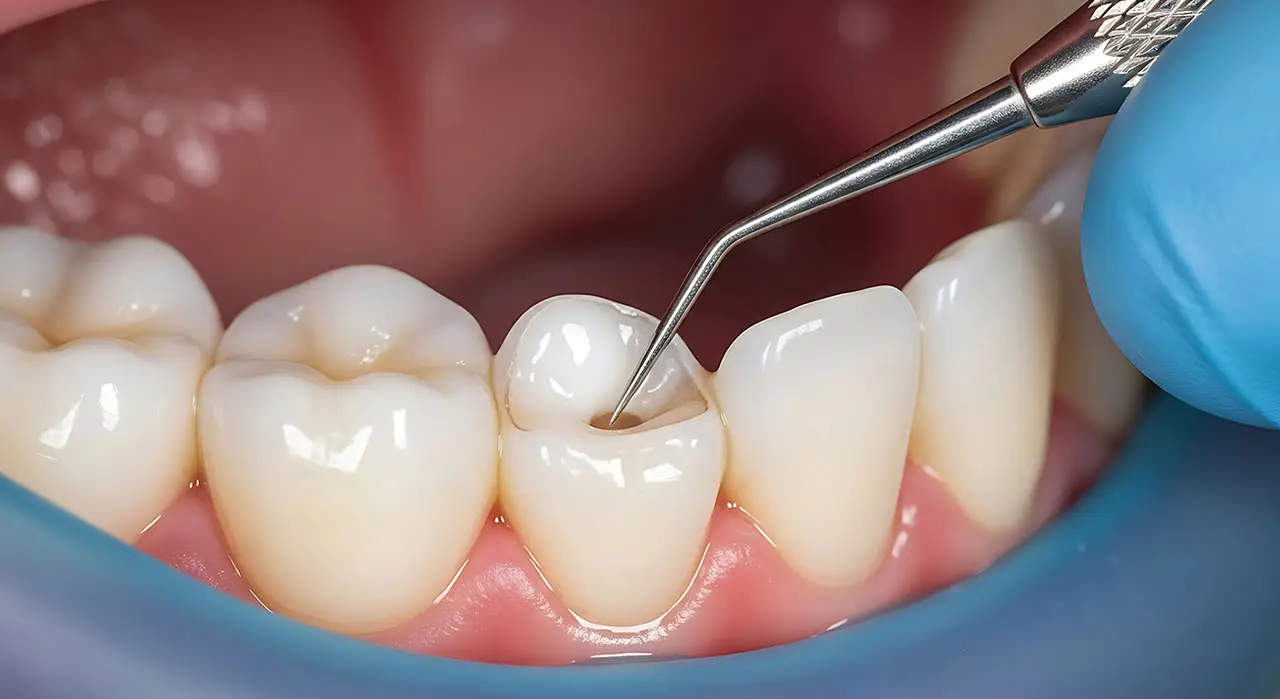
When you lose a tooth, the empty space can affect much more than the appearance of your smile. Chewing may feel different, neighboring teeth may have more room to shift, and you may find yourself wondering how to replace the missing tooth without relying on a removable appliance. For some patients, a dental bridge provides a fixed solution that restores the space with a natural-looking replacement tooth.
At Fisher Dental, dental bridges in Murfreesboro are available as part of personalized restorative dentistry. Depending on your oral health and the location of the missing tooth or teeth, Dr. Fisher can discuss a traditional bridge, an implant-supported restoration, or another tooth replacement option that fits your needs.
However, choosing how to replace a missing tooth deserves careful consideration. Understanding what a dental bridge does, how it stays in place, and how it compares with alternatives can help you make an informed decision about restoring your smile.
What Is a Dental Bridge?
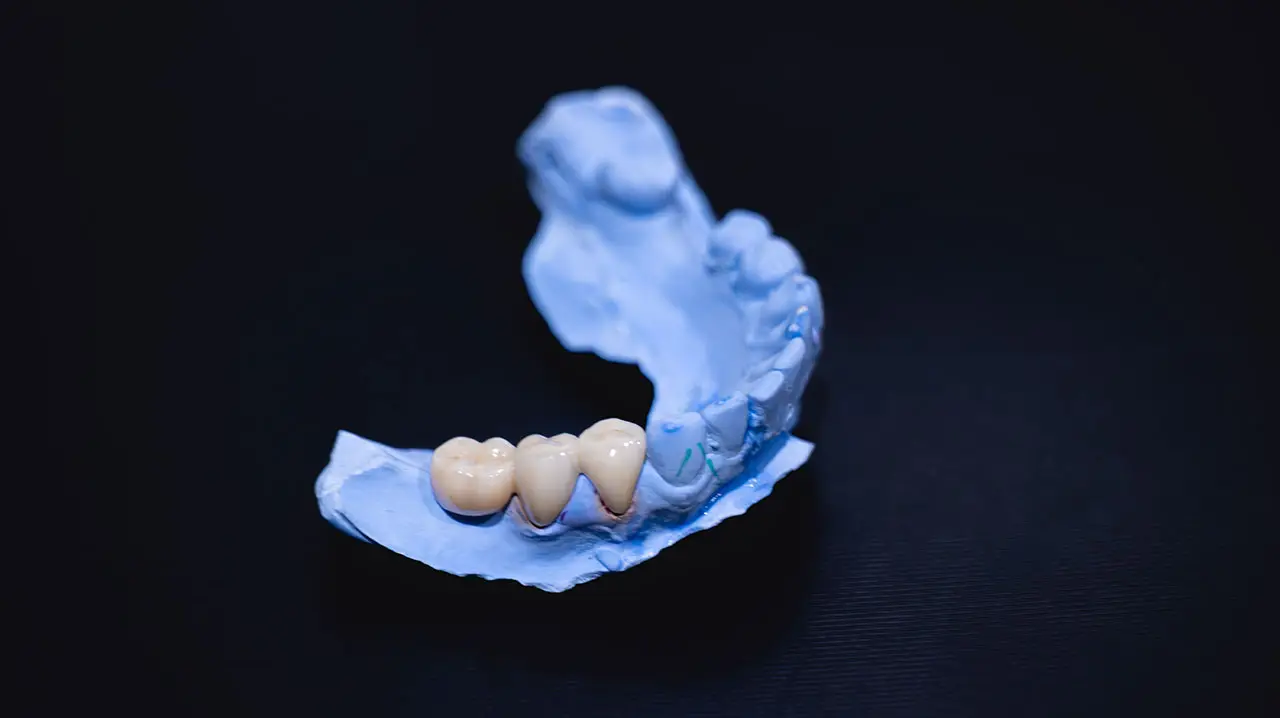
A dental bridge is a restoration designed to replace one or more missing teeth. As the name suggests, the restoration bridges the space where teeth are absent.
A traditional dental bridge generally uses neighboring teeth for support. Crowns are placed on the supporting teeth, and a replacement tooth is connected between them. Once the restoration is secured, it remains in your mouth rather than being removed each day like a removable partial denture.
Another possibility is an implant-supported bridge. Instead of relying on natural neighboring teeth for support, this type of restoration connects to dental implants. The appropriate design depends on the number and location of missing teeth, the condition of surrounding teeth, bone support, and other individual factors.
Regardless of the design, the goal is similar. A dental bridge restores the missing portion of your smile so you can regain function while creating an appearance that coordinates with your natural teeth.
Why Replace a Missing Tooth?
It can be tempting to leave a gap alone, particularly if the missing tooth is toward the back of your mouth. However, every tooth contributes to the way your bite functions.
When a tooth is lost, the neighboring teeth may gradually move toward the open space. Meanwhile, the tooth that previously contacted the missing tooth may also experience changes because its normal biting partner is gone.
A missing tooth can also alter how you chew. You may begin favoring the opposite side without realizing it, or certain foods may become more difficult to manage comfortably.
Of course, appearance can matter too, particularly when the missing tooth is visible during smiling or speaking. Replacing it can restore continuity to your smile without making the replacement tooth look out of place.
How Does a Traditional Dental Bridge Stay in Place?
A traditional bridge is supported by teeth next to the missing space. These supporting teeth are prepared for crowns, which are connected to the artificial replacement tooth.
Once completed and secured, the bridge functions as one restoration. Unlike a removable partial denture, you do not take a fixed bridge out for meals or overnight.
Because neighboring teeth provide support, their health is an important part of treatment planning. Your dentist evaluates those teeth, their roots, surrounding gums, and overall bite before recommending a traditional bridge.
If the supporting teeth are not appropriate for crowns, or if preserving untouched neighboring teeth is a priority, another replacement option may deserve consideration.
Benefits of Dental Bridges
Dental bridges can provide several practical advantages for appropriate patients:
- Replace missing teeth: A bridge fills an open space with a custom replacement designed to coordinate with your smile.
- Restore chewing function: Replacing a missing tooth can help distribute biting forces more naturally.
- Provide a fixed restoration: Traditional and implant-supported bridges remain in place rather than being removed for daily use.
- Support smile appearance: The replacement teeth can be customized to complement nearby natural teeth.
- Help maintain dental alignment: Filling a missing space can reduce the opportunity for neighboring teeth to drift into it.
- Offer multiple designs: Depending on your situation, a bridge may be supported by natural teeth or dental implants.
The right advantage for you depends on your individual needs. Therefore, your dentist should evaluate the entire area rather than focusing only on the empty space.
Dental Bridge vs. Dental Implant
Patients with a missing tooth often want to know whether a bridge or dental implant is the better choice. There is no single answer for everyone because these treatments replace teeth differently.
A traditional bridge relies on neighboring natural teeth. Those teeth are prepared for crowns, allowing them to support the replacement tooth between them.
A single dental implant, on the other hand, replaces the missing tooth using an implant placed in the jawbone and a restoration attached above it. This approach generally does not require crowning healthy neighboring teeth solely to support the replacement.
However, implant treatment involves additional considerations, including bone availability, healing time, health history, and surgical placement. At Fisher Dental, Dr. Fisher collaborates with a trusted specialist for implant placement and then provides the custom restoration after healing.
If the teeth beside the gap already need crowns, a traditional bridge may make sense in some situations. If those neighboring teeth are healthy and untouched, an implant may be worth discussing. Your examination helps determine which factors matter most in your case.
What Is an Implant-Supported Bridge?
An implant-supported bridge combines aspects of implant dentistry and bridgework. Rather than using natural teeth at each end for support, the restoration is anchored by dental implants.
This option can be particularly useful when multiple teeth in a row are missing. Depending on the treatment plan, implants can provide support for several replacement teeth without requiring an individual implant for every missing tooth.
Implant-supported bridges also avoid preparing natural neighboring teeth solely for bridge support. In addition, dental implants interact with the jawbone differently from traditional tooth-supported restorations.
Nevertheless, implant treatment requires adequate planning and healing. Your dentist and implant specialist can determine whether this approach is appropriate based on your oral health and anatomy.
What Happens When You Get a Dental Bridge?
Treatment begins with an examination and diagnostic records. Your dentist evaluates the missing space, neighboring teeth, gum health, bite, and supporting structures.
If a traditional bridge is selected, the supporting teeth are prepared for crowns. Digital information about your teeth and bite is then collected so the restoration can be designed accurately.
The bridge is created to fit the prepared teeth while replacing the missing tooth or teeth. Attention is given to shape, bite, and appearance so the restoration functions comfortably within your smile.
When the final bridge is ready, your dentist checks the fit and bite before securing it. You will also receive instructions for keeping the restoration and surrounding areas clean.
An implant-supported bridge follows a different timeline because implant placement and healing occur before the final bridge is attached. Your treatment team will explain each phase if implants are part of your plan.
Does a Dental Bridge Look Natural?
Modern dental bridges are designed with appearance as well as function in mind. The replacement tooth can be shaped and shaded to coordinate with neighboring teeth.
However, a natural-looking result involves more than selecting a color. Tooth proportions, contours, the gumline, surrounding teeth, and the way the restoration fits into your smile all contribute to the result.
This is why customization matters. Rather than using a one-size-fits-all replacement, your bridge is planned for the specific area being restored.
How Do You Clean Under a Dental Bridge?
Daily cleaning is important because a fixed bridge creates areas that require a slightly different technique from individual natural teeth.
You should continue brushing thoroughly, particularly around the margins where crowns meet natural tooth structure. However, because the replacement tooth is connected to the supporting crowns, ordinary floss cannot simply pass down between each part of the bridge.
Your dental team can show you how to clean underneath the replacement tooth using appropriate flossing aids or other recommended tools. Removing plaque from this area helps protect the gums and supporting teeth.
Regular professional cleanings are also important. During preventive visits, your dental team can evaluate the bridge, supporting teeth, bite, and surrounding gum tissue.
How Long Can a Dental Bridge Last?
The lifespan of a dental bridge varies. Oral hygiene, bite forces, gum health, the condition of supporting teeth, diet, grinding habits, and regular dental care can all influence longevity.
A bridge may continue functioning for many years when it is well maintained, but no restoration should be considered maintenance-free. The natural teeth supporting a traditional bridge can still develop decay or gum problems.
Likewise, excessive clenching or grinding can place additional stress on restorations. If you have signs of nighttime grinding, your dentist may recommend protective measures.
Routine examinations give your dentist an opportunity to monitor the bridge and identify changes that could affect its long-term function.
Can a Bridge Replace More Than One Missing Tooth?
Yes, dental bridges can replace multiple missing teeth in certain situations. However, the number of teeth being replaced influences the design and support required.
A longer span places different demands on supporting teeth than replacing a single missing tooth. Implant-supported options may also be considered when several adjacent teeth are absent.
Rather than assuming a particular bridge design will work, your dentist evaluates the entire area and recommends a restoration capable of handling the expected chewing forces.
Common Questions About Dental Bridges
Is a dental bridge removable?
A fixed dental bridge is secured in the mouth and is not removed each day like a removable partial denture. Your dentist can explain how to clean around and underneath it.
Can a dental bridge replace one missing tooth?
Yes. A traditional bridge can replace a single missing tooth using neighboring teeth for support. A single dental implant is another option that may be considered.
Can I eat normally with a dental bridge?
A properly planned bridge is intended to restore chewing function. Your dentist may provide temporary dietary instructions during treatment, particularly while you adjust to a new restoration.
Do the teeth next to a bridge need crowns?
With a traditional bridge, neighboring supporting teeth are typically prepared for crowns. An implant-supported bridge uses implants for support instead of relying solely on neighboring natural teeth.
How do I know which missing tooth replacement is right for me?
An examination is the best starting point. Your dentist can compare a bridge, implant, denture, or other appropriate solution based on the number of missing teeth, surrounding teeth, bone support, oral health, and your goals.
Restore a Missing Tooth With a Personalized Plan
A missing tooth does not have to remain an empty space in your smile. Dental bridges can provide a fixed way to replace one or more teeth, restore chewing function, and create a natural-looking result. Because traditional bridges, implant-supported bridges, and dental implants each work differently, the best choice begins with an individualized evaluation.
If you are exploring dental bridges in Murfreesboro, call Fisher Dental at (615) 640-4344 to schedule a consultation and discuss which tooth replacement option may fit your smile.