What happens when a tooth is too damaged for a simple filling, but still healthy enough to save? In many situations, a dental crown can provide the added protection a weakened tooth needs. Instead of removing the tooth, a crown covers and reinforces it so you can continue chewing, speaking, and smiling comfortably.
If you have a cracked, worn, or significantly decayed tooth, dental crowns in Murfreesboro may offer a practical way to restore its strength and appearance. At Fisher Dental, restorative care begins by evaluating the condition of your tooth and determining how much healthy structure remains. From there, your dentist can recommend an option based on your oral health, bite, and long-term needs.
However, not every damaged tooth automatically needs a crown. Understanding why crowns are recommended, what they can repair, and what treatment involves can make it easier to have an informed conversation about your dental care.
What Is a Dental Crown?
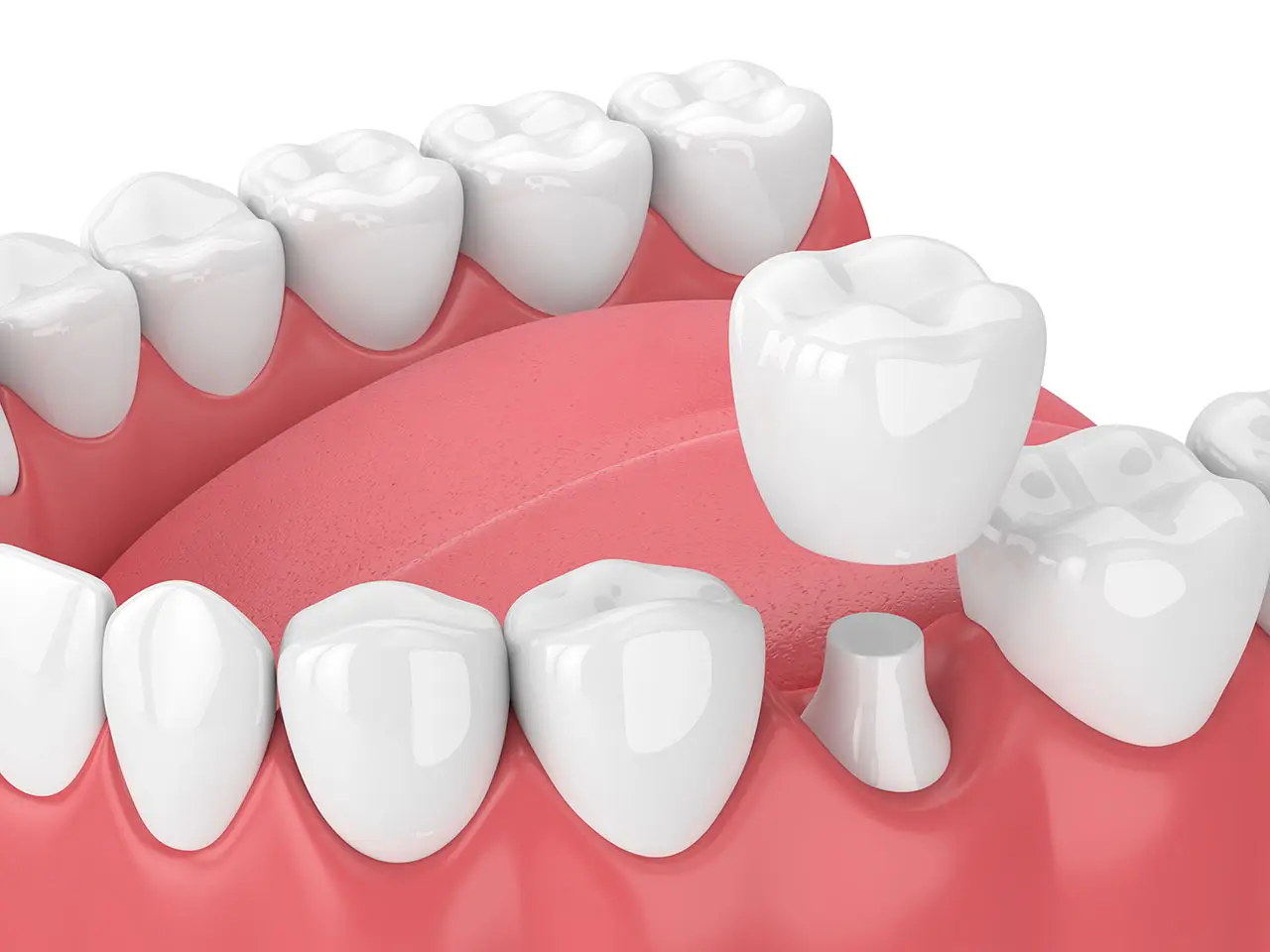
A dental crown is a custom restoration designed to cover the visible portion of a tooth. You can think of it as a protective covering that restores the tooth’s shape while helping it withstand normal biting and chewing forces.
Crowns can be useful when a tooth has lost enough natural structure that a smaller restoration may no longer provide sufficient support. In addition, crowns can improve the appearance of teeth that have become severely worn, damaged, or misshapen.
Because each person’s smile and bite are different, dental crowns are individually designed. The goal is not simply to cover a problem. Instead, your restoration should work comfortably with the surrounding teeth and provide a natural-looking result.
When Might a Tooth Need a Dental Crown?
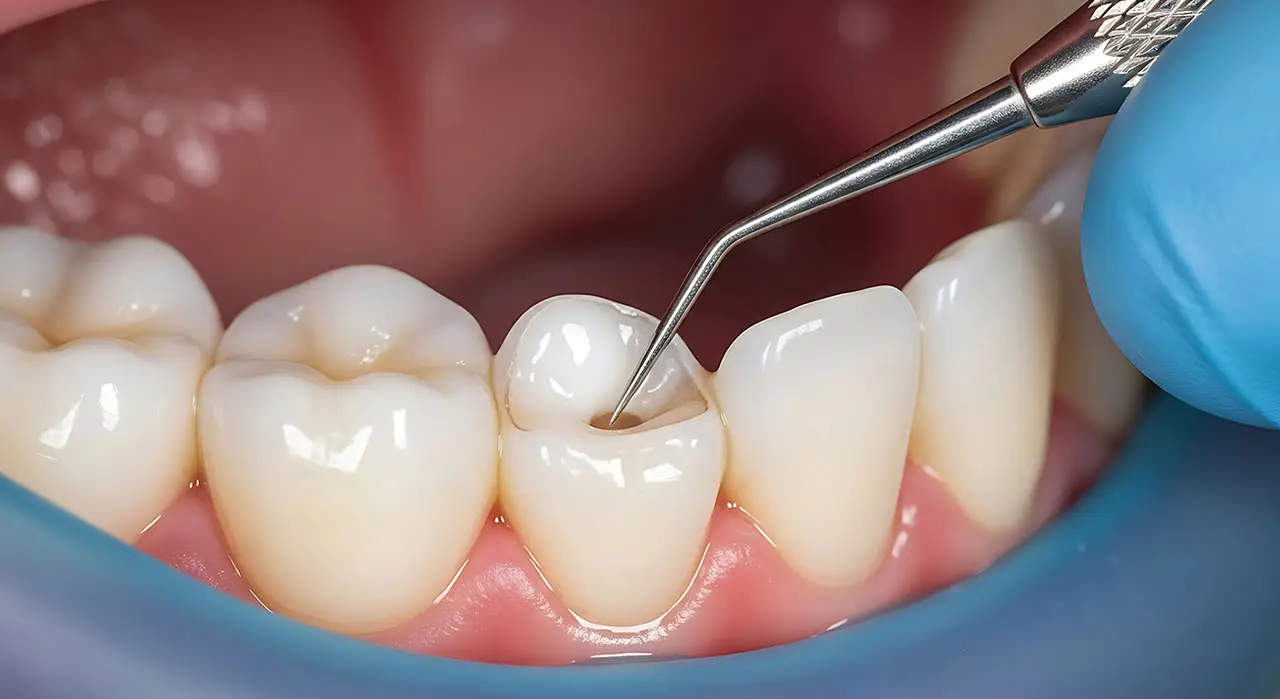
One of the most common reasons for recommending a dental crown is extensive tooth damage. A small cavity can often be repaired with a filling. However, when decay affects a larger portion of the tooth, there may not be enough strong structure remaining to reliably support a filling.
A crown may also be considered for a cracked tooth. Teeth experience substantial pressure every day, especially the molars that do most of the chewing. A significant crack can weaken a tooth and may cause discomfort when biting. Covering the tooth can help distribute pressure across the restoration rather than concentrating it on a weakened area.
Meanwhile, teeth that have become severely worn may also require additional protection. Grinding, clenching, bite problems, and years of normal use can gradually reduce tooth structure. Restorative treatment can help rebuild a tooth when that wear begins to affect its strength or function.
Crowns are also commonly used after certain dental treatments. For example, a tooth that has undergone root canal therapy may require a crown depending on its location and the amount of remaining structure. Your dentist can evaluate the tooth and explain whether additional reinforcement is appropriate.
Signs You Should Have a Damaged Tooth Evaluated
Dental damage does not always cause severe pain. In fact, some weakened teeth remain relatively comfortable until a larger piece breaks. That is one reason routine dental exams remain important.
You should consider scheduling an evaluation if you notice pain when biting, a visible crack, a piece of tooth that has broken away, sensitivity that continues or worsens, or a filling that repeatedly becomes loose or damaged.
Additionally, a tooth that suddenly feels different when your teeth come together deserves attention. Changes in the way your bite feels can sometimes indicate damage to a tooth or restoration.
Early evaluation can give your dentist more options. Depending on the condition of the tooth, treatment could range from a filling or bonding to an inlay, onlay, or full crown. If the tooth cannot be predictably restored, your dentist can explain other appropriate options.
Benefits of Dental Crowns
Dental crowns are designed to solve both functional and structural problems. When appropriately recommended, a crown may provide several advantages:
- Protecting weakened teeth: A crown surrounds vulnerable tooth structure and helps protect it during everyday chewing.
- Restoring comfortable function: Rebuilding a damaged tooth can make biting and chewing feel more natural.
- Recreating tooth shape: A custom crown restores areas lost to decay, fractures, or significant wear.
- Supporting a natural appearance: Modern restorations can be designed to coordinate with the shape and appearance of surrounding teeth.
- Preserving natural teeth: When a damaged tooth can be restored, a crown may help you retain it rather than replacing it.
- Completing implant treatment: A crown can also serve as the visible replacement tooth on a single dental implant.
Most importantly, the appropriate restoration depends on the individual tooth. The largest or most extensive treatment is not automatically the best choice. The goal is to select a solution that addresses the damage while preserving healthy structure whenever possible.
What Happens When You Get a Dental Crown?
The process begins with a detailed examination. Your dentist needs to understand why the tooth is damaged and determine whether it can be restored successfully. Dental X-rays may be used to evaluate areas that cannot be seen during a visual examination.
If a crown is appropriate, the tooth is carefully prepared so the restoration can fit over it. Damaged or decayed material is addressed, and the remaining tooth is shaped to create a stable foundation.
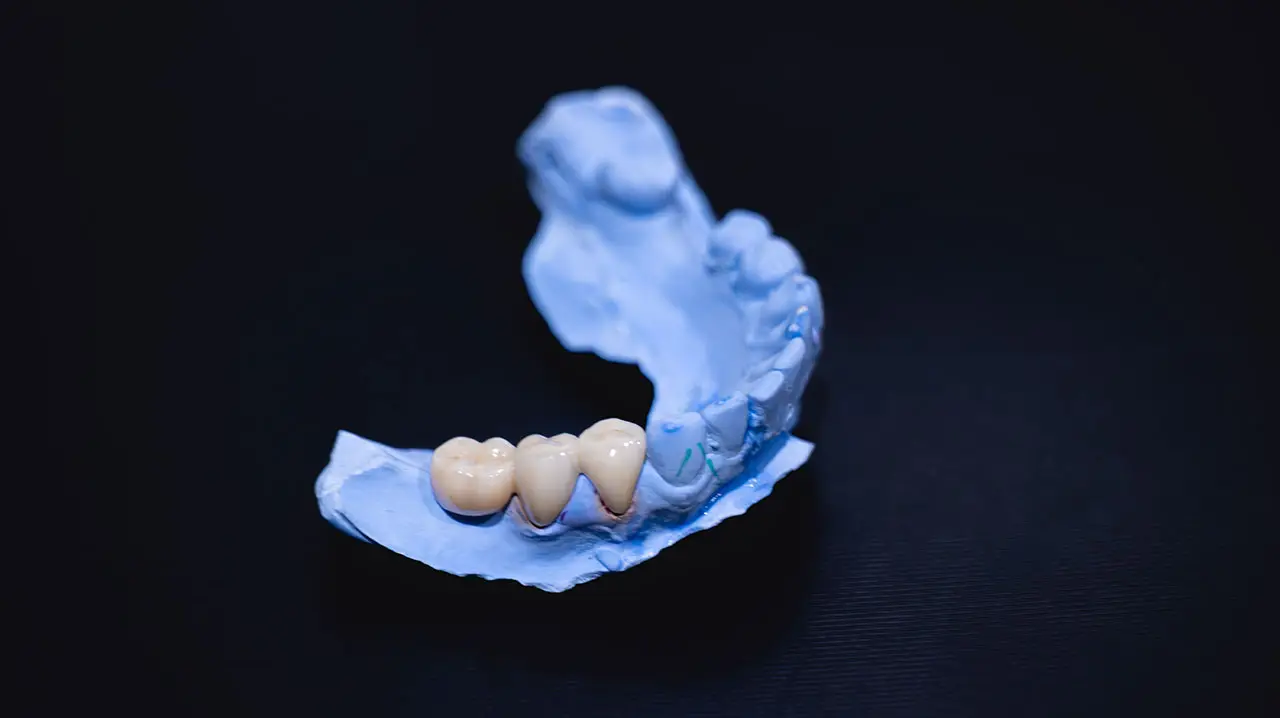
Next, accurate information about the prepared tooth and surrounding bite is collected. Fisher Dental uses modern digital technology as part of its restorative approach, which can help with planning a restoration that fits your smile.
Your crown is then created to match the treatment plan. Once the final restoration is ready, your dentist checks its fit, bite, and appearance before securing it in place.
After treatment, the crown should feel like a functional part of your smile. As with natural teeth, however, the area still requires regular brushing, flossing, and professional dental care.
Is a Crown Better Than a Filling?
Neither treatment is universally better. They solve different problems.
A filling repairs an area where damaged or decayed tooth structure has been removed. When enough healthy tooth remains, a filling can be an effective and conservative restoration.
A crown covers substantially more of the tooth. Therefore, it is generally considered when additional reinforcement is necessary. If a tooth has a very large filling, significant fracture, or extensive structural weakness, another filling may not provide the support needed.
That distinction is important because dental treatment should be based on the condition of the tooth, not simply on the presence of a cavity or crack. Your dentist can show you what is happening and explain why one restoration may be more appropriate than another.
How Long Can Dental Crowns Last?
There is no single lifespan that applies to every crown. Longevity depends on several factors, including oral hygiene, bite forces, the condition of the supporting tooth, dietary habits, and whether you grind or clench your teeth.
Daily brushing and cleaning between the teeth remain essential because the natural tooth underneath the crown can still develop decay near the restoration’s edge. Likewise, healthy gums help support the overall stability and appearance of the restoration.
Regular dental exams allow your dentist to monitor both the crown and the tooth supporting it. If you grind your teeth, a custom mouthguard may also be recommended to reduce excessive nighttime forces.
Can a Crown Save a Cracked Tooth?
Sometimes, but the answer depends on the location and severity of the crack. A crack limited to a restorable portion of the tooth may be manageable with a crown. However, deeper fractures can affect the tooth’s long-term prognosis.
That is why cracked teeth should be evaluated rather than self-diagnosed. A visible line in a tooth does not necessarily tell you how deeply the damage extends.
Additionally, waiting until a tooth breaks further can change the available treatment options. If you notice a crack or experience repeated pain when chewing, arranging an examination sooner can help your dentist determine what is happening.
How Do You Care for a Dental Crown?
Fortunately, caring for a crown is similar to caring for your natural teeth. Brush thoroughly twice a day, clean between your teeth daily, and maintain routine dental visits.
You should also avoid using your teeth as tools to open packages or bite extremely hard non-food objects. These habits can damage both natural teeth and restorations.
If your crown ever feels loose, your bite suddenly changes, or you experience new discomfort around the tooth, contact your dentist. Prompt evaluation can help determine whether the crown, underlying tooth, or surrounding gum tissue needs attention.
Common Questions About Dental Crowns
Does getting a dental crown hurt?
Your comfort is an important part of restorative treatment. Local anesthetic can be used while the tooth is prepared. Some temporary sensitivity may occur afterward, but your dental team can explain what to expect based on your treatment.
Can a dental crown look like a natural tooth?
Yes. Modern crowns can be customized to coordinate with the size, shape, and appearance of nearby teeth. The goal is a restoration that functions comfortably and fits naturally into your smile.
Do crowns require special cleaning?
You generally care for a crown much like a natural tooth. Consistent brushing, cleaning between the teeth, and professional checkups help protect the supporting tooth and surrounding gums.
What happens if I wait to treat a broken tooth?
The outcome depends on the type of damage. However, a weakened tooth can sometimes fracture further or become more difficult to restore. An examination can determine whether immediate treatment is necessary.
Restore Strength to a Damaged Tooth in Murfreesboro
A damaged tooth does not automatically mean losing that tooth. Dental crowns can restore strength, shape, and function when a tooth needs more support than a smaller restoration can provide. An examination is the best way to determine whether a crown, filling, inlay, onlay, or another treatment makes sense for your situation.
Have a cracked, worn, or damaged tooth that needs attention? Call Fisher Dental in Murfreesboro at (615) 962-7262 to schedule a consultation and learn which restorative option may be appropriate for your smile.