
If your teeth feel fine, do you really need to see a dentist? It is an understandable question, especially when life gets busy. However, routine dental visits are not reserved for toothaches. Preventive appointments are designed to help identify changes early, remove buildup that home brushing cannot completely address, and give you personalized guidance for keeping your teeth and gums healthy.
Regular dental cleanings and exams in Murfreesboro give Fisher Dental an opportunity to monitor your oral health over time. Instead of waiting for discomfort to signal a problem, preventive care focuses on recognizing concerns before they become larger or more complicated.
Meanwhile, professional cleanings complement your home routine. Even people who brush and floss carefully can develop tartar in difficult-to-reach areas. A preventive visit brings home care, professional cleaning, examination, and personalized recommendations together in one appointment.
Why Are Routine Dental Exams Necessary?
Many dental problems develop gradually. Early tooth decay, for example, may not immediately cause pain. Gum disease can also begin with subtle changes that are easy to overlook at home.
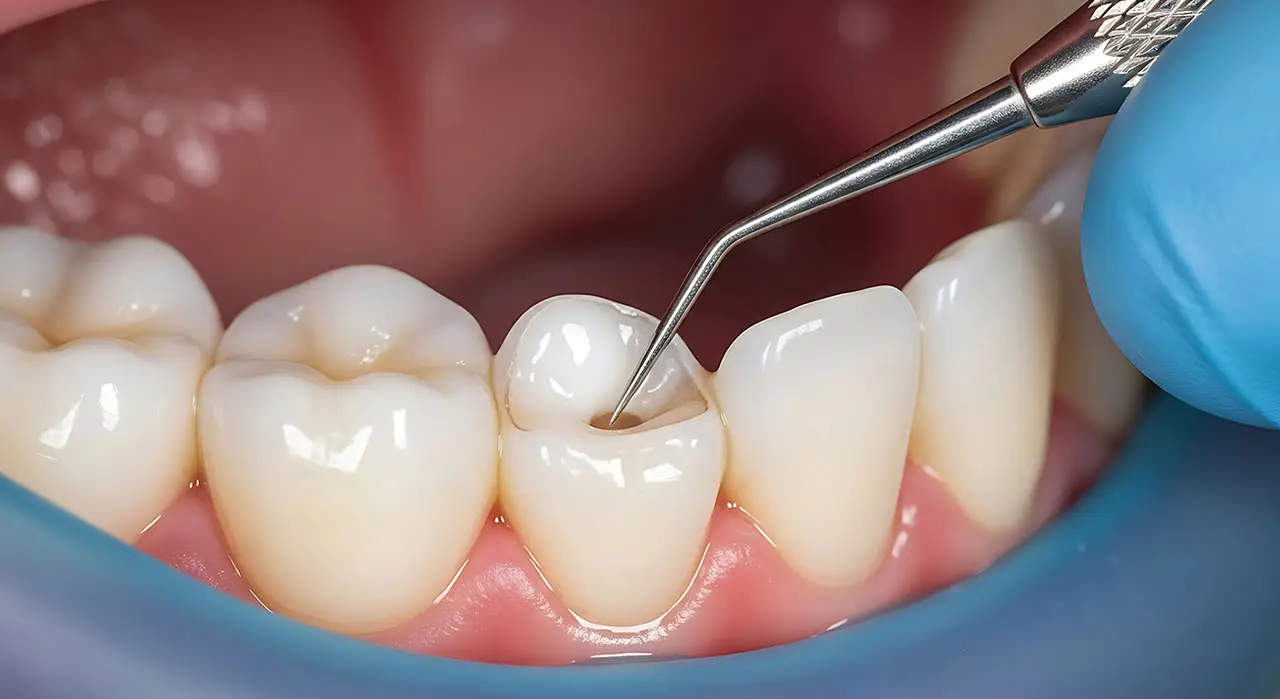
A dental examination allows your dentist to look for signs of decay, damaged restorations, changes in the gums, cracks, unusual wear, and other concerns. Your dentist can also evaluate how your teeth fit together and discuss symptoms such as sensitivity, dry mouth, jaw discomfort, or changes in your bite.
Importantly, preventive dentistry is not simply about finding cavities. Your mouth contains teeth, gums, bone, soft tissues, restorations, and bite relationships that work together. Routine exams provide an opportunity to evaluate this larger picture.
What Happens During a Dental Cleaning?
Brushing and flossing are the foundation of daily oral hygiene. However, plaque that remains on teeth can harden into tartar, also called calculus. Once this buildup has hardened, normal brushing is not enough to remove it effectively.
During a professional cleaning, your dental hygienist removes plaque and tartar from areas around the teeth and gumline. The teeth are then polished, helping remove certain surface stains and leaving them feeling smoother.
Your hygienist also pays attention to the condition of your gums. If there are signs that you need a different type of gum care, the dental team can explain those findings and recommend an appropriate plan.
Finally, preventive visits are an opportunity for individualized education. If plaque consistently collects in a particular area, for example, your hygienist can demonstrate ways to improve access with your toothbrush, floss, or another cleaning tool.
How Often Should You Have Dental Cleanings and Exams?
Many patients follow a schedule of approximately every six months for routine preventive care. However, the appropriate interval can vary based on oral health, gum condition, cavity risk, medical factors, and previous dental history.
Someone with a history of periodontal disease may require a different maintenance schedule than a patient with consistently healthy gums. Likewise, patients who develop cavities frequently may benefit from closer monitoring or additional preventive recommendations.
Rather than treating a six-month schedule as an absolute rule for every person, your dentist can recommend a recall interval based on your needs.
Benefits of Dental Cleanings and Exams
Routine preventive appointments can support your oral health in several important ways:
- Removing hardened buildup: Professional cleanings address tartar that cannot be removed with ordinary brushing at home.
- Identifying dental problems earlier: Exams can reveal changes before they create noticeable pain or extensive damage.
- Monitoring gum health: Your dental team can watch for bleeding, inflammation, recession, and other changes.
- Protecting existing dental work: Crowns, fillings, bridges, bonding, and other restorations can be checked during routine visits.
- Receiving personalized guidance: Your hygienist can help refine brushing and between-teeth cleaning based on areas that need more attention.
- Tracking changes over time: Regular examinations provide a continuing record of your oral health rather than a single snapshot taken only when something hurts.
Preventive dentistry works best as an ongoing process. Home care protects your smile every day, while professional care provides additional cleaning, evaluation, and guidance at appropriate intervals.
Why Isn’t Brushing at Home Enough?
Excellent home care is extremely important, but toothbrushes have limitations. Teeth have curves, grooves, tight contact points, and areas near the gumline that can be challenging to clean completely.
Furthermore, once plaque mineralizes into tartar, a toothbrush cannot simply scrub it away. Professional instruments are needed to remove hardened deposits safely.
This does not make home care less important. In fact, the opposite is true. Regular professional cleaning works best when paired with consistent brushing and cleaning between your teeth. Your daily routine limits the amount of plaque that accumulates between dental visits.
Can Dental Exams Find Cavities Before They Hurt?
Yes, and this is one of the reasons preventive visits matter. Tooth decay can begin without obvious symptoms. Depending on the location, your dentist may identify early signs during an examination or through appropriate dental imaging.
If decay is discovered while the affected area is relatively small, treatment may be more conservative than it would be after the tooth develops significant structural damage.
However, not every dark spot or sensitive tooth is a cavity. A professional evaluation is important because symptoms can have multiple causes. Your dentist can determine what is happening instead of relying on pain alone.
What Do Dental X-Rays Add to an Exam?
A visual examination provides valuable information, but some areas of the teeth and supporting structures cannot be seen directly. Dental X-rays can help your dentist evaluate these areas when imaging is appropriate.
For example, certain cavities can develop between teeth where they are difficult to see during a standard visual examination. X-rays can also provide information about tooth roots, bone, and other structures.
The frequency and type of dental imaging should be based on individual need. Your dentist can explain why a particular X-ray is being recommended and what information it provides.
What About Gum Health?
Healthy gums play an important role in supporting your teeth. During routine visits, your dental team evaluates the gum tissue and looks for changes that may indicate inflammation or periodontal concerns.
Bleeding when brushing or flossing should not automatically be dismissed as normal. Persistent bleeding, swelling, tenderness, recession, or changes around the teeth deserve professional attention.
Depending on your gum health, a routine cleaning may be appropriate, or you may need a different type of periodontal treatment. The distinction matters because preventive cleaning and treatment for active gum disease serve different purposes.
How Can Preventive Visits Protect Existing Dental Work?
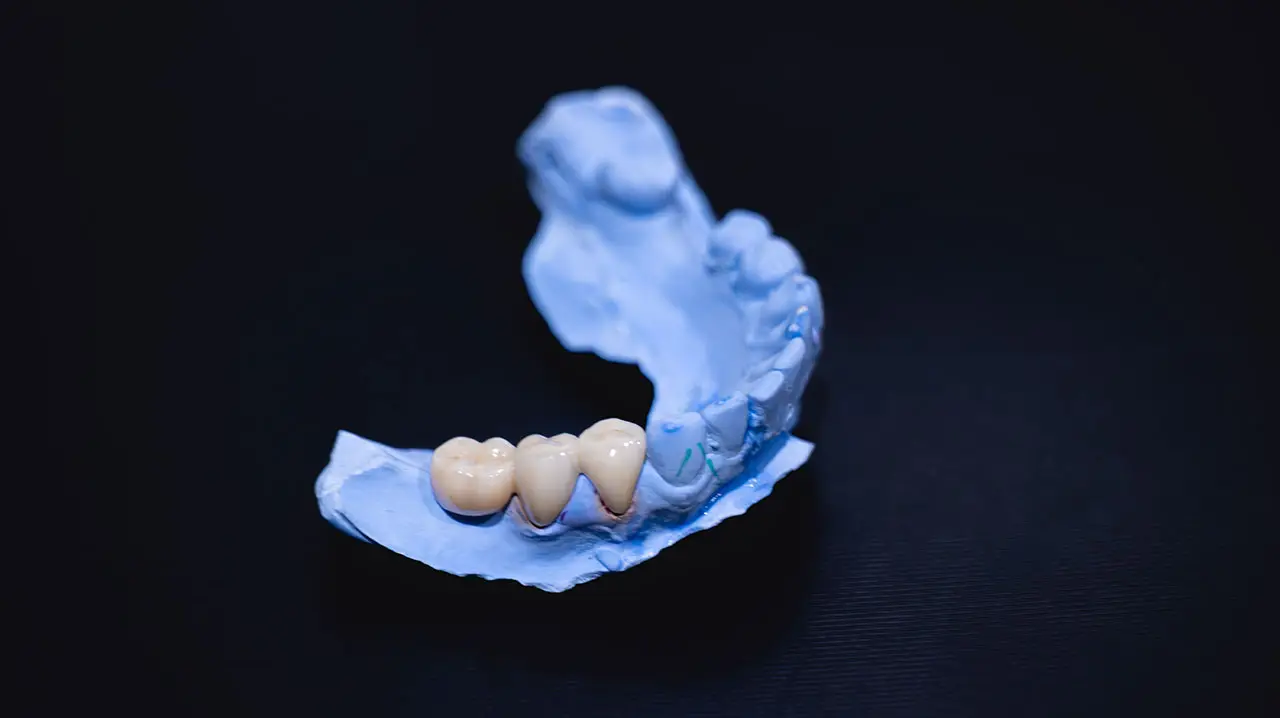
If you have fillings, crowns, bonding, implants, bridges, or other restorations, regular exams provide an opportunity to monitor them.
A restoration can continue functioning well while the surrounding tooth or gum tissue changes. For example, decay can sometimes develop near the edge of an existing restoration. Likewise, excessive grinding can place additional stress on both natural teeth and dental work.
By checking these areas periodically, your dentist can look for signs of wear, damage, or changes that may need attention.
How Should You Prepare for a Dental Checkup?
You generally do not need complicated preparation. Continue your normal brushing and flossing routine and bring information about any changes you have noticed.
Tell your dental team if you have experienced sensitivity, bleeding gums, jaw discomfort, dry mouth, a chipped tooth, or changes in how your bite feels. Even symptoms that seem minor can provide useful information.
You should also update the practice about relevant changes to medications or health history. Oral health and overall health can influence one another, so accurate information helps your dental team plan appropriate care.
Common Questions About Dental Cleanings and Exams
How often should I schedule a dental cleaning?
Many patients are seen about every six months, although the best schedule depends on your oral health and individual risk factors. Your dentist can recommend an appropriate interval.
Will a dental cleaning make my teeth whiter?
A cleaning can remove plaque, tartar, and some external surface staining. However, it is different from professional teeth whitening, which is a cosmetic treatment intended to change tooth color.
Why do my gums bleed during cleaning?
Bleeding can be associated with gum inflammation, although there can be other contributing factors. If your gums bleed regularly, your dental team can evaluate the cause and recommend appropriate care.
Should I visit the dentist if nothing hurts?
Yes. Preventive appointments are intended to monitor oral health before pain develops. Some dental and gum problems can progress without obvious symptoms in their early stages.
Keep Preventive Dental Care on Your Murfreesboro Calendar
Routine dental care is about more than leaving with polished teeth. Cleanings remove buildup your toothbrush cannot fully address, while examinations allow your dentist to monitor teeth, gums, restorations, and other areas of oral health. Combined with good home habits, preventive visits can help you address concerns earlier and maintain a healthier smile over time.
Ready to schedule your next preventive visit? Call Fisher Dental at (615) 962-7262 to book an appointment for dental cleanings and exams in Murfreesboro.