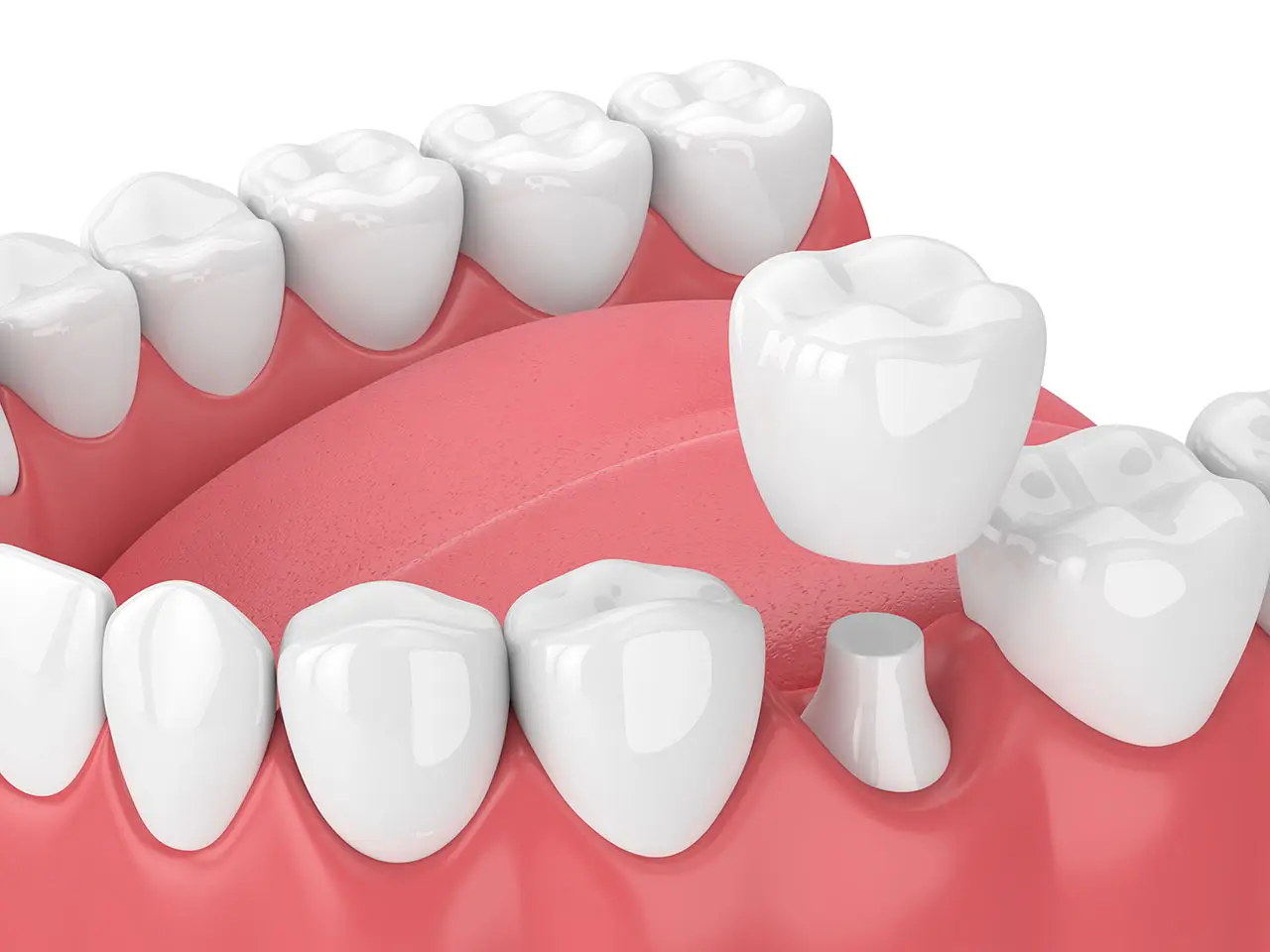
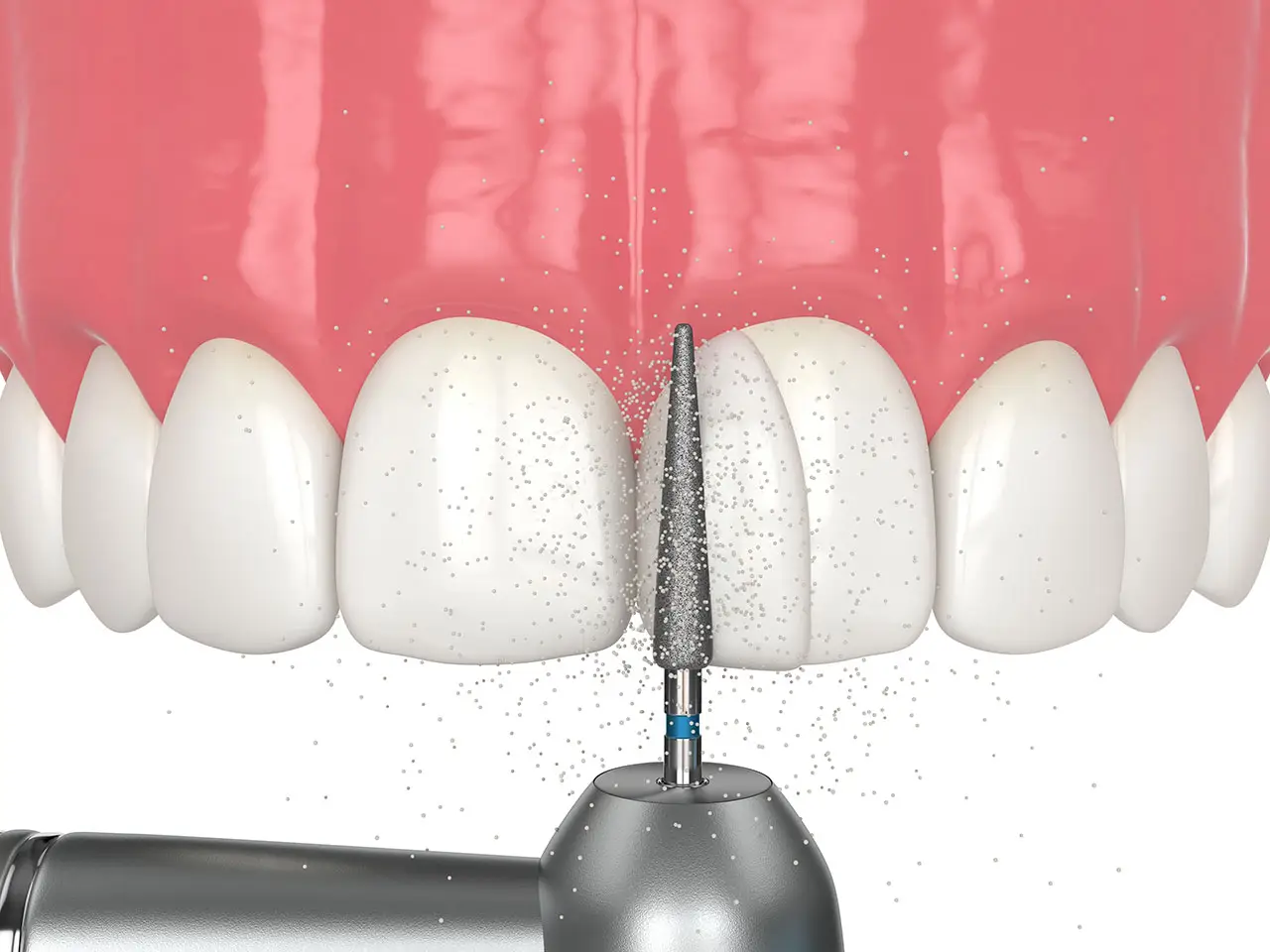
Can a small change make a noticeable difference in the overall balance of a smile? When a tooth is chipped, uneven, slightly gapped, or differently shaped from the teeth around it, cosmetic treatment does not always require an extensive procedure. Tooth bonding can reshape selected areas using tooth-colored material and a treatment plan customized to your smile.
For patients interested in conservative cosmetic improvements, tooth bonding in Murfreesboro may be worth discussing. Fisher Dental uses cosmetic dentistry to address individual concerns while considering the health, shape, and function of the entire smile.
Because cosmetic goals vary from person to person, bonding is not about creating one particular type of smile. Instead, it gives your dentist a way to make targeted changes that complement your existing teeth.
What Is Tooth Bonding?
Tooth bonding, sometimes called dental bonding or cosmetic bonding, uses tooth-colored composite resin to change or restore part of a tooth. The material can be carefully shaped and polished so it coordinates with the surrounding enamel.
Composite material is also used in other areas of dentistry, including tooth-colored fillings. In cosmetic bonding, however, the material can be applied strategically to adjust features such as a chipped edge, a small gap, or an uneven contour.
One reason patients ask about tooth bonding is that it can often make focused changes without requiring the same process as treatments such as porcelain veneers. Nevertheless, the best option depends on what you want to change and the condition of the tooth.
What Cosmetic Concerns Can Tooth Bonding Address?
Bonding is versatile, but it is particularly useful for relatively small or localized concerns. For example, a small chip along the edge of a front tooth can sometimes make that tooth appear noticeably different from its neighbor. Composite resin may be used to rebuild the missing area and restore a smoother outline.
Bonding may also help with small spaces between certain teeth. By adding carefully planned material to the sides of the teeth, your dentist may be able to reduce the visual space between them.
Additionally, some teeth naturally develop with shapes or proportions that differ from surrounding teeth. Cosmetic bonding can sometimes add width or length to improve balance.
Minor surface imperfections or selected areas of discoloration may also be candidates for bonding. However, your dentist first needs to determine why the discoloration is present. Whitening, veneers, restorative care, or no treatment at all may be more suitable in some circumstances.
Can Bonding Repair a Chipped Tooth?
Small chips are one of the common reasons people consider cosmetic bonding. However, it is important to determine why the tooth chipped before simply covering the area.
A chip caused by a one-time accident may require a different approach from repeated chipping caused by tooth grinding or an uneven bite. Likewise, a tooth with extensive structural damage may need a stronger restorative solution.
During an evaluation, your dentist can examine the tooth, surrounding enamel, and bite. If bonding is appropriate, composite resin is selected and shaped to replace the missing area.
The final material is polished to create a smooth surface. Because treatment is planned for the individual tooth, the goal is for the repaired area to coordinate naturally with the rest of the smile.
Benefits of Tooth Bonding
For the right cosmetic concern, tooth bonding offers several appealing qualities:
- Conservative treatment: Bonding can often make cosmetic changes while preserving substantial natural tooth structure.
- Customized appearance: Composite resin can be selected and shaped to complement the tooth and surrounding smile.
- Versatility: Bonding can address certain chips, small gaps, uneven edges, and shape differences.
- Focused improvements: Patients may be able to treat one or several selected teeth rather than changing the entire smile.
- Repairability: Depending on the situation, composite material can sometimes be adjusted or repaired if it becomes worn or damaged.
- Convenience: Many bonding treatments can be completed without the laboratory process required for certain indirect restorations.
Still, these advantages do not mean bonding is ideal for every cosmetic concern. Your dentist needs to consider the location of the tooth, the amount of material required, your bite, and your expectations before recommending treatment.
What Happens During Cosmetic Tooth Bonding?
The process starts with a cosmetic evaluation. This gives you an opportunity to explain what you would like to change and gives your dentist a chance to assess the health of your teeth and gums.
Planning is especially important in cosmetic dentistry because changing one tooth can influence the appearance of nearby teeth. Your dentist considers proportions, tooth contours, symmetry, and how your teeth come together.
If bonding is selected, a tooth-colored composite material is matched to the treatment area. The tooth surface is prepared so the material can bond effectively. Then, the composite is applied and carefully shaped.
The material is hardened, refined, and polished. Your dentist also evaluates your bite because the new contour should not create unwanted pressure when you chew.
Depending on how many teeth are being treated and how extensive the changes are, treatment time can vary. Fisher Dental can provide a more specific explanation after evaluating your smile.
Tooth Bonding vs. Dental Veneers
Bonding and veneers can address some of the same cosmetic concerns, but they are different treatments.
Bonding involves applying composite resin directly to the tooth and shaping it during treatment. Veneers are thin restorations designed to cover the front surfaces of selected teeth. They can be considered when a patient wants to change characteristics such as shape, proportion, color, or the appearance of multiple teeth.
Meanwhile, bonding may make sense for smaller adjustments. For instance, a single chipped edge might not require the same treatment approach as several teeth with significant shape or color concerns.
Durability, maintenance, cost, tooth preparation, and the desired degree of change can all influence the decision. A cosmetic consultation allows your dentist to compare these options in the context of your individual smile rather than treating one procedure as automatically superior.
Can Tooth Bonding Close Gaps?
Bonding can sometimes reduce small spaces between teeth by adding composite material to their sides. However, the size and cause of the gap matter.
Closing a larger space entirely with bonding could make the teeth appear too wide or alter their proportions. Additionally, some spaces are related to tooth alignment or bite relationships. In those situations, Invisalign treatment or another approach may deserve consideration.
Your dentist can evaluate how much material would be needed and whether the final tooth proportions would look balanced. This is another reason cosmetic treatment should be personalized rather than based solely on photographs or examples of another person’s smile.
How Long Does Tooth Bonding Last?
Bonding is durable, but composite resin is not indestructible. Its longevity varies according to the location of the bonding, bite forces, oral habits, diet, and how well you care for your teeth.
For example, biting directly into very hard objects with a bonded front tooth may increase the chance of chipping. Nail biting and using teeth to open packaging can also place unnecessary stress on the material.
If you grind or clench your teeth, tell your dentist. Addressing excessive bite forces can be important for protecting both natural enamel and cosmetic dental work.
Regular checkups are useful because your dentist can monitor bonded areas for wear, staining, or changes around the edges. If a small repair or polish is appropriate, identifying it early can simplify maintenance.
Does Bonding Stain?
Composite resin can develop surface changes over time, particularly with frequent exposure to strongly pigmented foods, beverages, or tobacco products. The degree of staining varies.
Good oral hygiene and regular professional cleanings can help maintain the appearance of both natural teeth and dental restorations. However, bonding material does not necessarily respond to whitening products in the same way natural enamel does.
Therefore, if you are considering both whitening and bonding, discuss the order of treatment with your dentist. Planning the overall cosmetic process can help produce a more coordinated result.
Who Is a Good Candidate for Tooth Bonding?
A good candidate generally has a specific cosmetic concern that bonding can reasonably address and teeth that are healthy enough for treatment.
Before cosmetic care, active decay, significant gum problems, or structural damage may need attention. This protects your oral health and creates a more stable foundation for cosmetic improvements.
Bonding may be especially worth discussing if you want to repair a small chip, improve a minor shape difference, smooth an uneven edge, or reduce a small gap.
However, your dentist may recommend another treatment if a tooth requires significant structural support or if the desired cosmetic change is too extensive for predictable bonding.
Common Questions About Tooth Bonding
Is tooth bonding permanent?
Bonding is a durable dental treatment, but it should not be considered permanent. Composite material can wear, stain, or chip over time and may eventually require maintenance or replacement.
Can I whiten bonded teeth?
Whitening products primarily affect natural tooth structure and may not change composite resin in the same way. If you want both whitening and bonding, ask your dentist how to plan the treatments.
Can I eat normally after tooth bonding?
Patients can generally return to normal eating, although avoiding habits that place excessive force on bonded areas can help protect the restoration. Your dentist can provide instructions specific to your treatment.
Is bonding right for every chipped tooth?
No. The cause and extent of the chip need to be evaluated. Larger fractures or teeth weakened by decay may require a different restorative approach.
Explore Cosmetic Bonding for Your Murfreesboro Smile
Sometimes a small cosmetic change can create better balance without changing what makes your smile uniquely yours. Tooth bonding can address selected chips, gaps, uneven contours, and shape concerns using tooth-colored composite material. The key is determining whether bonding provides the right combination of appearance, durability, and conservation for your specific teeth.
Interested in finding out whether tooth bonding fits your smile goals? Call Fisher Dental in Murfreesboro at (615) 640-4344 to schedule a consultation and discuss your cosmetic dentistry options.