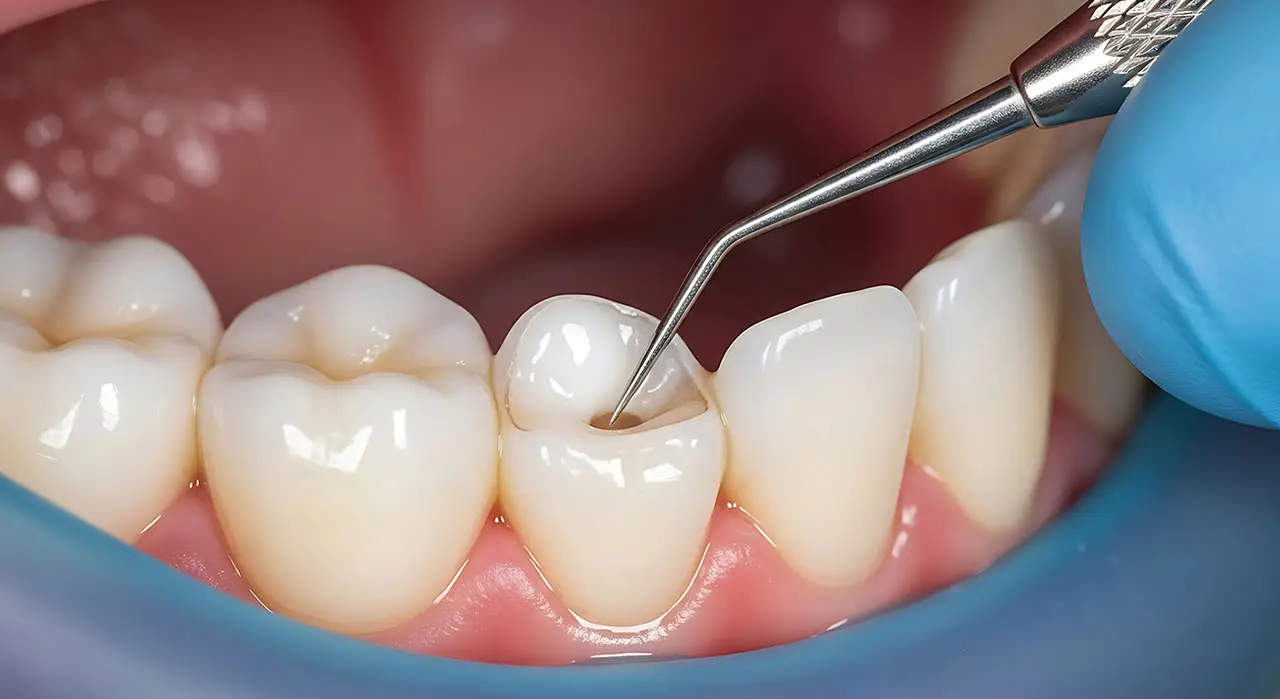

Hearing that a tooth may need to be removed can bring up immediate questions. Will the procedure hurt? How long will healing take? What can you eat, and how will the space be managed afterward? A carefully planned tooth extraction in Murfreesboro is recommended only when removing the tooth is the most predictable way to protect comfort, oral health, or future treatment.
At Fisher Dental, the process begins with an examination and a clear explanation of the available options. Whenever a tooth can be restored successfully, treatment may include a filling, crown, root canal referral, or gum care. However, severe damage, infection, advanced bone loss, or crowding may make removal the more appropriate choice. Afterward, the team can discuss restorative dentistry options when replacing the tooth would support chewing, appearance, or bite stability.
Why a Tooth Extraction May Be Recommended
A tooth extraction in Murfreesboro is generally considered after the dentist evaluates whether the tooth can be saved. The decision is based on the amount of healthy structure remaining, the condition of the root and surrounding bone, symptoms, infection risk, and how the tooth affects the rest of the mouth.
- Severe decay: A cavity may extend so deeply that there is not enough strong tooth structure to support a dependable restoration.
- A major fracture: A crack that travels below the gumline or into the root may make repair unpredictable.
- Advanced gum disease: Significant loss of supporting bone can leave a tooth loose, uncomfortable, or difficult to maintain.
- Persistent infection: Removal may be recommended when infection cannot be resolved predictably with other care.
- Overcrowding: An extraction may create room for orthodontic movement in selected treatment plans.
- Problematic wisdom teeth: Wisdom teeth can become trapped, partially erupted, decayed, infected, or damaging to nearby structures.
- Preparation for another treatment: A tooth with a poor prognosis may need removal before a denture, implant, or broader restorative plan.
Not every painful tooth needs extraction. A sensitive tooth may have a small cavity, a loose filling, gum recession, or a bite issue that can be treated more conservatively. Conversely, a severely damaged tooth may cause little discomfort even though it presents a long-term risk. Therefore, symptoms alone do not determine whether removal is necessary.
What Happens at the Evaluation?
Before a tooth extraction in Murfreesboro, your dentist reviews your symptoms, medical history, medications, allergies, and previous dental experiences. Be sure to mention blood-thinning medications, heart conditions, diabetes, immune concerns, pregnancy, or any history that could affect healing. Do not stop a prescribed medication unless the prescribing clinician and dental team provide specific instructions.
The tooth and surrounding tissues are examined, and dental images may be taken to show root shape, bone levels, infection, neighboring teeth, and nearby anatomical structures. This information helps the dentist plan the safest approach. In some cases, a complex extraction may be referred to an oral surgeon. A referral is not a setback. Instead, it ensures that the procedure is handled in the setting best suited to the case.
Your dentist will also discuss comfort options. Local anesthetic is used to numb the tooth and nearby tissues. Patients who feel anxious may ask whether laughing gas is appropriate. In addition, you will receive instructions about eating, transportation, and medications based on the planned procedure and comfort method.
Simple Extraction Versus Surgical Extraction
A simple extraction is generally used when the tooth is visible above the gumline and can be removed with standard instruments. After the area is numb, the dentist gently loosens the tooth from the surrounding ligament and lifts it from the socket. Patients may feel pressure and movement, but sharp pain should not be expected. If you feel discomfort, communicate with the dental team so they can pause and add anesthetic.
A surgical tooth extraction in Murfreesboro may be needed when a tooth has broken near the gumline, has curved or separated roots, or has not fully erupted. The dentist or specialist may make a small opening in the gum or divide the tooth into sections so it can be removed with less stress on the surrounding tissue. Stitches may be placed, depending on the procedure.
The word surgical can sound intimidating. However, it describes the technique, not necessarily the patient experience. The area is thoroughly numbed, and the treatment plan is designed around controlled access and tissue preservation. Clear aftercare instructions then support the early stages of healing.
What to Expect Immediately After Tooth Removal
Once the tooth is removed, a blood clot forms in the socket. This clot protects the underlying bone and nerves while new tissue begins to develop. Protecting it is one of the most important goals during the first day after a tooth extraction in Murfreesboro.
The dental team will place gauze over the area and ask you to bite with steady pressure. Mild oozing can be normal, especially during the first several hours. Replace gauze only as directed and avoid repeatedly checking the socket, which can disturb the clot. If bleeding remains heavy or does not improve with pressure, call the office.
Numbness may last for several hours. Therefore, be careful not to bite your cheek, lip, or tongue. Wait until sensation returns before chewing foods that require control. Some swelling and soreness can develop as the anesthetic wears off. Use medication only as directed by the dentist and according to your medical history.
The First 24 Hours of Extraction Aftercare
Rest supports healing. Plan to avoid vigorous exercise, heavy lifting, and activities that significantly raise your heart rate during the early recovery period. Keep your head slightly elevated when lying down. In addition, an ice pack used on the outside of the face in short intervals may help limit swelling when recommended.
Choose cool or lukewarm soft foods such as yogurt, applesauce, scrambled eggs, mashed vegetables, smoothies eaten with a spoon, or soft pasta. Chew away from the extraction site. Avoid very hot foods and drinks until numbness has fully resolved and early bleeding has stopped.
Do not smoke or vape, and do not use a straw. The suction and chemical exposure can interfere with the blood clot and delay healing. Also, avoid forceful rinsing, spitting, or touching the socket with your tongue or fingers. These restrictions are especially important after a tooth extraction in Murfreesboro because the clot is still fragile during the first day.
Continue cleaning the rest of your mouth, but stay away from the extraction site unless the dentist instructs otherwise. Good oral hygiene remains important because it limits bacterial buildup. Nevertheless, the surgical area needs a gentle approach while it begins to close.
What Healing May Feel Like During the First Week
Swelling often increases during the first two or three days, then gradually improves. Soreness should also become more manageable rather than steadily worsening. The socket may look unusual as it heals, and a light-colored layer can be part of normal tissue development. Do not scrape or remove it.
After the first day, the dentist may recommend gentle saltwater rinses. Allow the liquid to move softly around the mouth, then let it fall out rather than spitting forcefully. Resume brushing carefully, staying gentle around the site. If stitches were placed, follow instructions about whether they dissolve or require removal.
Most patients can gradually add firmer foods as comfort allows. However, crunchy seeds, chips, popcorn, nuts, and sharp foods can collect in or irritate the socket. Continue chewing on the opposite side until the area is less tender. Recovery time varies according to the tooth, procedure complexity, health history, and individual healing response.
When Should You Call the Dentist?
Contact Fisher Dental if bleeding remains heavy, swelling becomes severe, fever develops, swallowing or breathing becomes difficult, or pain is not controlled by the recommended approach. These symptoms deserve prompt professional guidance.
Dry socket is another concern patients often hear about. It can occur when the protective clot is lost or breaks down too early, exposing sensitive tissue underneath. Symptoms may include intense or increasing pain several days after the extraction, pain that travels toward the ear or temple, and an unpleasant taste or odor. Dry socket can be treated, so call the office rather than trying to place home remedies into the socket.
Also contact the office if numbness persists longer than expected, medication causes a reaction, or you are not sure whether healing looks normal. Asking early questions can prevent unnecessary worry and allows the dental team to provide advice specific to your procedure.
Benefits of Tooth Extraction
- Removal of a nonrestorable tooth: Extraction eliminates a tooth that cannot be repaired predictably and may continue to break down.
- Relief from an ongoing source of discomfort: When a severely damaged or infected tooth is the cause, removal can allow the area to heal.
- Reduced risk of spreading infection: Addressing a hopeless tooth can protect nearby tissues and support broader oral health.
- Protection for neighboring teeth: Removing a problematic wisdom tooth or fractured tooth may prevent additional damage in selected cases.
- Preparation for restorative care: A tooth extraction in Murfreesboro can create a healthier foundation for an implant, bridge, or denture when replacement is planned.
- Improved cleansability: Removing a severely loose or partially erupted tooth may eliminate an area that repeatedly traps food and bacteria.
- Support for orthodontic planning: In certain crowded cases, strategic removal can help create space for healthier alignment.
Will the Missing Tooth Need to Be Replaced?
Wisdom teeth generally do not need replacement. However, replacing another permanent tooth may help preserve chewing function, prevent nearby teeth from shifting, and support a balanced bite. The right choice depends on the tooth’s location, the condition of neighboring teeth, bone availability, health, and personal priorities.
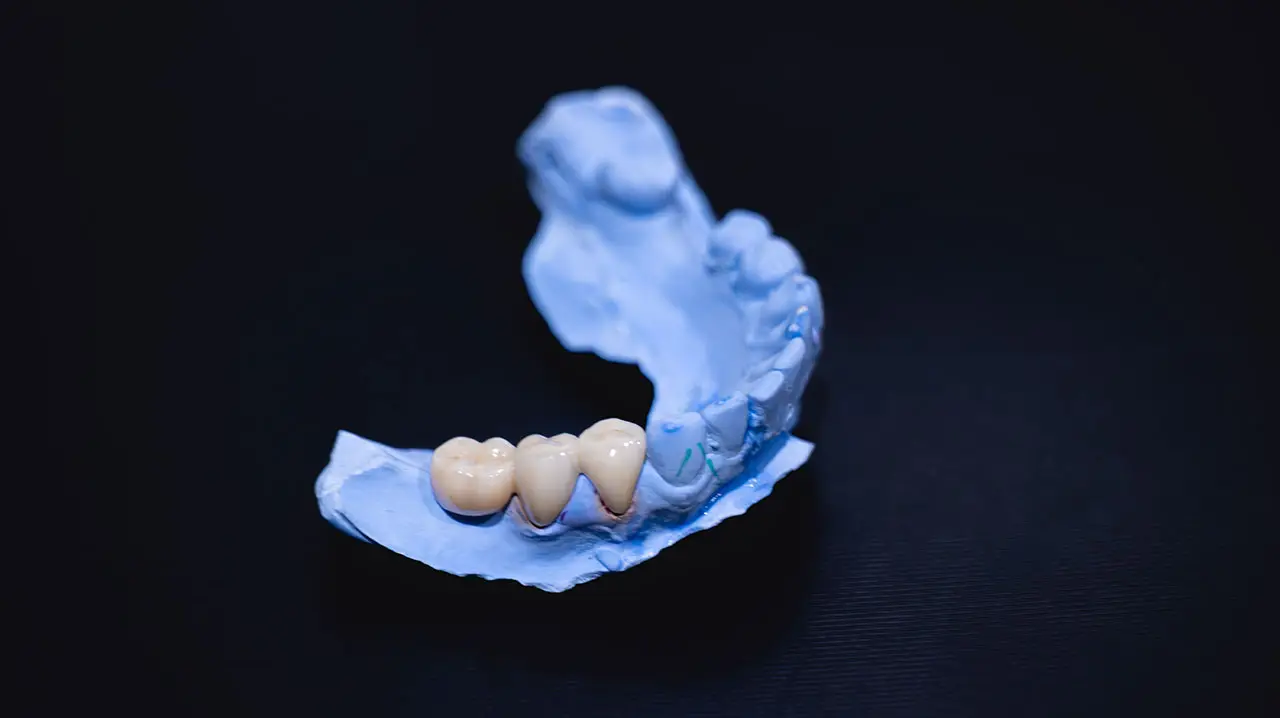
A dental implant replaces the missing root with a post that supports a crown. A bridge uses neighboring teeth or implants to support a replacement tooth. A removable partial denture can replace one or several teeth and may offer a more accessible option for some patients. Each approach has advantages, maintenance needs, and timing considerations.
Replacement planning may begin before the tooth extraction in Murfreesboro, even though the final restoration is completed later. Early planning helps the dentist protect bone, consider temporary options, and coordinate healing. Nevertheless, some situations require infection control or tissue recovery before the full plan can be confirmed.
Common Questions About Tooth Extractions
Will I feel pain during a tooth extraction?
Local anesthetic is used to numb the tooth and surrounding tissues. You may feel pressure or movement, but sharp pain should not be expected. Tell the dental team immediately if you feel discomfort so they can adjust the anesthetic.
How soon can I return to work?
That depends on the complexity of the tooth extraction in Murfreesboro, your job duties, and your response to treatment. Some patients return to light activities quickly, while surgical extractions or physically demanding jobs may require more recovery time. Follow the recommendation provided for your case.
What should I eat after tooth removal?
Start with soft, cool or lukewarm foods and chew away from the extraction site. Avoid straws, very hot foods, crunchy foods, and anything that could disturb the clot during early healing.
How long does the socket take to heal?
The gum tissue begins healing quickly, but deeper bone remodeling takes longer. The timeline varies according to the tooth, procedure, health, and whether a future implant or another restoration is planned.
Receive Clear Guidance From Evaluation Through Recovery
A tooth extraction should never feel like an unexplained decision. Fisher Dental will review why removal may be recommended, how comfort will be managed, and what to do during recovery. For a tooth extraction in Murfreesboro at 3411 Memorial Blvd A2, Call Us Today at (615) 962-7262 or Contact Us to book an appointment.